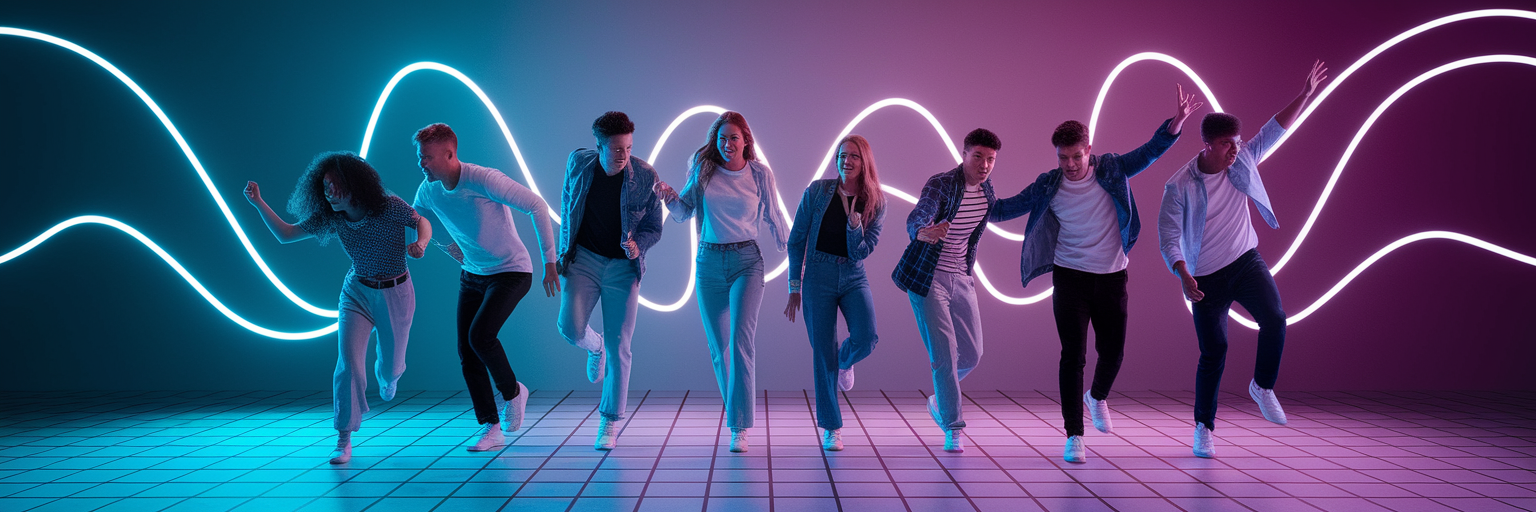
Born roughly between the mid-1990s and early 2010s, Gen Z isn't just another demographic; they are digital natives with a finely tuned radar for authenticity and a strong desire for experiences that resonate personally. Understanding their unique expectations is no longer optional for event success. Effective Gen Z event marketing hinges on genuinely connecting with this influential group, moving beyond traditional approaches to create truly memorable moments.
Understanding the Gen Z Audience for Events
To effectively market events to Gen Z, it's essential to first grasp who they are. This generation, having grown up with the internet, smartphones, and social media as constants, possesses an inherent digital fluency. They don't just use technology; they live through it. This digital immersion shapes their expectations for events, demanding seamless online interactions from ticket purchase to post-event engagement. But beyond tech, Gen Z places a high premium on authenticity and transparency. They can spot inauthentic marketing from a mile away and are drawn to brands and experiences that feel genuine and align with their values.
Their social consciousness is another defining trait. Gen Z is deeply concerned about social and environmental issues, and they expect events to reflect these concerns through inclusive practices and tangible social impact. It's not enough for an event to be fun; it also needs to feel purposeful. This translates into specific desires when it comes to event experiences. They seek:
Unique, memorable experiences rather than passive observation.
Opportunities for active participation and co-creation.
Visually appealing or 'Instagrammable' moments worth sharing.
A sense of community and belonging.
Clear demonstrations of inclusivity and social responsibility.
Recognising these characteristics is the bedrock of any successful strategy aimed at marketing events to Gen Z. Their economic influence is growing, and their preferences are reshaping how events are conceived and promoted. Ignoring their distinct needs means missing out on a vibrant and engaged audience.
| Characteristic | Implication for Events | Example Tactic Integration |
|---|---|---|
| Digital Natives | Expect seamless tech integration & constant connectivity | Interactive event apps, AR filters, easy online ticket purchasing |
| Value Authenticity & Transparency | Distrust overly polished or corporate messaging; seek genuine connection | Behind-the-scenes content, influencer collaborations based on shared values, clear communication |
| Socially & Environmentally Conscious | Prefer brands and events aligned with their values; look for purpose | Transparent sustainability practices, partnerships with charities, inclusive programming |
| Seek Unique Experiences & Participation | Prioritize memorable, interactive moments over passive consumption | Immersive installations, co-creation opportunities, gamification |
| Shorter Attention Spans (Digital Content Conditioned) | Require concise, engaging, and visually stimulating content | Short-form video promotions (TikTok/Reels), visually striking event design |
Tactic 1: Leverage Authentic Influencer Collaborations
When considering influencer marketing for Gen Z, the old playbook of simply paying for a post from the biggest name won't cut it. This audience values relatable content over celebrity endorsement. It's about finding voices that genuinely resonate with their interests and values, which is key to building trust and ultimately helping to increase event attendance Gen Z.
The Appeal of Micro and Nano Influencers
Think about the creators you follow closely. Are they always the ones with millions of followers, or are they the ones whose niche content feels like it's made just for you? For Gen Z, micro-influencers (typically 10k-100k followers) and nano-influencers (1k-10k followers) often carry more weight. Their smaller, more engaged communities perceive them as more authentic and trustworthy than mega-influencers whose feeds might feel overly commercialised. This perceived closeness translates into higher engagement rates and more genuine recommendations.
Identifying Aligned Influencers
Choosing the right influencer goes beyond a cursory glance at follower counts. Dig deeper. Do their values align with your event's ethos? Is their audience genuinely engaged, or is it a sea of passive followers and bots? Look for influencers whose content naturally fits the theme of your event. A gaming convention partnering with a popular Twitch streamer who genuinely loves the featured games makes sense. A music festival collaborating with a fashion influencer known for their festival style also feels organic. Authentic alignment is paramount.
Co-creating Content for Authenticity
Once you've found the right partners, avoid handing them a rigid script. Instead, collaborate on content creation. Give them creative freedom to integrate your event into their unique style. This might involve them sharing their genuine excitement, offering behind-the-scenes glimpses, or running a contest for their followers. When content feels like a natural extension of the influencer's voice, it resonates far more effectively with their Gen Z audience, sparking genuine interest rather than cynical dismissal.
Tactic 2: Create Immersive and Shareable Experiences
Gen Z isn't interested in being passive spectators; they want to be part of the action. This desire for active participation is a cornerstone of effective Gen Z engagement tactics. Events that offer immersive and shareable moments don't just entertain; they create lasting memories and organic buzz, transforming attendees into enthusiastic promoters.
Moving Beyond Passive Attendance
The days of attendees simply sitting and watching are fading, especially for this generation. Consider how you can invite participation. This could be through hands-on workshops where they learn a new skill, interactive art installations they can physically engage with, or gamified elements that encourage exploration and friendly competition. Think of a food festival that includes a "create your own topping" station or a tech conference with live coding challenges. These elements make the experience more personal and memorable.
Designing for Social Sharing ('Instagrammability')
While "Instagrammable" might sound like a buzzword, it reflects a genuine desire to capture and share unique experiences. Are there visually stunning backdrops, quirky photo opportunities, or unique installations at your event that attendees will naturally want to photograph and post? This isn't just about aesthetics; it's about creating moments that are inherently share-worthy. A well-placed neon sign with a catchy phrase or a beautifully designed lounge area can become organic marketing assets when attendees share their snaps online.
The Role of Technology in Immersion
Technology can significantly amplify immersion if used thoughtfully. Augmented reality (AR) filters specific to your event can add a fun, interactive layer to photos and videos. Virtual reality (VR) can transport attendees to different worlds or offer unique perspectives. Interactive event apps can provide personalized schedules, scavenger hunts, or real-time polls. The key is to ensure technology enhances the experience rather than becoming a distraction, making it a seamless part of the event's fabric.
Tactic 3: Harness the Power of Short-Form Video Content
If you want to reach Gen Z, you need to be where they are, and increasingly, that's on platforms dominated by short-form video. This type of content is not just a trend; it's a primary mode of communication and entertainment for this demographic, making it crucial for marketing events to Gen Z.
The Dominance of TikTok and Instagram Reels
Platforms like TikTok and Instagram Reels have fundamentally changed how content is consumed. According to recent studies, such as findings from GWI in 2023, a significant portion of Gen Z spends hours daily on these platforms, preferring quick, engaging video snippets. This isn't just passive scrolling; they are actively discovering new trends, brands, and, yes, events. The fast-paced, visually driven nature of these platforms aligns perfectly with Gen Z's content consumption habits, making them prime channels for your Gen Z event marketing efforts.
Effective Content Strategies for Short Videos
Simply posting a long promotional video won't work here. Your content needs to be tailored to the medium. Consider these approaches:
Behind-the-scenes teasers: Offer glimpses of event preparation or sneak peeks of performers.
User-generated content challenges: Encourage attendees to create videos using a specific sound or hashtag related to your event.
Quick interviews: Share short, engaging soundbites from speakers, artists, or even past attendees.
Highlight clips: Showcase the most exciting moments from previous events to build anticipation.
Trend participation: Creatively incorporate relevant TikTok trends to showcase your event's personality.
Prioritising Authenticity and Trends
Gen Z has a sharp eye for content that feels forced or overly corporate. Authenticity is key. Your videos should feel genuine, relatable, and even a bit raw. Don't be afraid to show the human side of your event. While leveraging trends can boost visibility, ensure it’s done in a way that feels natural to your event’s brand and message. Jumping on every trend without thought can backfire. The goal is to create content that entertains, informs, and excites, making your event unmissable.
Tactic 4: Prioritise Social Responsibility and Inclusivity
For Gen Z, an event's values are just as important as its entertainment factor. This generation actively seeks out brands and experiences that align with their own principles of social and environmental responsibility. Demonstrating a genuine commitment to these areas isn't just good ethics; it's a powerful way to resonate with this audience and can significantly increase event attendance Gen Z.
Gen Z's Value-Driven Decisions
Unlike previous generations who might have viewed corporate social responsibility as a bonus, Gen Z often sees it as a baseline expectation. They are more likely to support events that are transparent about their impact and actively work towards positive change. This means your event's stance on issues like sustainability, diversity, and community support can directly influence their decision to attend. They want to feel good about where they spend their time and money.
Integrating Purpose into Your Event
How can you weave purpose into the fabric of your event? Consider partnering with a local charity and donating a portion of ticket sales. Implement clear sustainability initiatives, like reducing waste, offering plant-based food options, or sourcing locally. Ensure your programming and marketing materials reflect diversity and inclusivity, making everyone feel welcome. Perhaps your event could feature speakers on social issues or provide platforms for underrepresented voices. Tangible actions speak louder than words.
Promo Tools Built Into Your Ticketing
Discount codes, affiliate links and waiting lists that live where your tickets do, not in a separate stack.
Authentic Communication of Efforts
It's crucial to communicate your efforts genuinely. Gen Z is adept at spotting "greenwashing" or superficial attempts at appearing socially conscious. Be transparent about your initiatives, including both successes and areas for improvement. Share specific details about your sustainability practices or the impact of your charity partnerships. Authenticity in your communication builds trust and shows that your commitment is more than just a marketing ploy. This genuine approach is what truly connects.
Tactic 5: Offer Exclusive Content and Early Access
The allure of being an insider or getting something special is a powerful motivator, especially for a generation that values unique experiences. Offering exclusive content and early access can create a sense of urgency and desirability around your event, directly helping to drive event ticket sales among Gen Z attendees.
The Psychology of Exclusivity and FOMO
The fear of missing out (FOMO) is a well-documented phenomenon, and it plays a significant role in Gen Z's decision-making. When something is perceived as limited or exclusive, its value often increases. By offering special perks to a select group, you tap into this psychological driver. It makes attendees feel special and encourages them to act quickly before the opportunity disappears. This isn't about manipulation, but about creating genuine excitement and anticipation.
Examples of Enticing Exclusive Offers
What kind of exclusive offers can capture Gen Z's attention? The possibilities are varied, but they should always provide tangible value:
Limited early-bird tickets: Offer a discounted price for those who purchase well in advance.
Access to behind-the-scenes content: Share exclusive interviews, setup footage, or sneak peeks not available to the general public.
Meet-and-greets: Provide opportunities to interact with performers, speakers, or special guests.
Limited-edition merchandise: Offer unique items only available to early purchasers or specific ticket tiers.
Priority entry or seating: Enhance the event experience with added convenience.
Channels for Delivering Exclusivity
Effectively managing and communicating these exclusive offers is key. Consider using dedicated email lists for subscribers who have shown interest, creating private social media groups for VIPs, or leveraging features within your event app to deliver special content or codes. The channel should feel as exclusive as the offer itself. Clear communication about how to access these perks and their limited nature will amplify their impact, encouraging prompt action.
Tactic 6: Embrace User-Generated Content (UGC)
In an age of information overload, authenticity cuts through the noise. For Gen Z, content created by their peers often carries more weight than polished brand messaging. Embracing user-generated content (UGC) is a powerful Gen Z engagement tactic that can transform attendees into your most credible advocates.
The Unmatched Authenticity of UGC
Think about it: whose recommendation do you trust more when considering a new restaurant – an advertisement or a friend’s enthusiastic Instagram story? Gen Z overwhelmingly trusts content from real people. Research consistently shows that UGC is perceived as more authentic and influential than brand-created content. For instance, many studies indicate that a high percentage of consumers, particularly younger ones, find UGC more impactful in their purchasing decisions. This peer validation is invaluable for building credibility and excitement around your event.
Strategies to Encourage UGC Creation
You can't just hope for UGC; you need to actively encourage it. Create opportunities and incentives for attendees to share their experiences. This could involve setting up unique photo booths with fun props and backdrops, running contests for the best event photo or video using a branded hashtag, or simply prompting attendees to share their favorite moments. Make it easy and fun for them to create and share content that naturally incorporates your event.
Leveraging UGC for Event Promotion
Once attendees start sharing, the next step is to amplify their voices. Always seek permission before repurposing UGC, then showcase these authentic moments on your own social media channels, website, or in future promotional materials. This not only provides fresh, relatable content for your marketing but also acknowledges and celebrates your attendees, fostering a stronger sense of community. Highlighting UGC shows potential future attendees what a genuine experience at your event looks like, through the eyes of their peers.
Tactic 7: Personalise the Event Journey
Gen Z has grown up in a world where experiences are increasingly tailored to their individual preferences, from streaming service recommendations to curated news feeds. They expect a similar level of personalisation from events. Meeting this expectation can significantly enhance their experience and loyalty, helping to drive event ticket sales for current and future events.
Gen Z's Expectation of Tailored Experiences
Generic, one-size-fits-all event communication can feel impersonal and outdated to this demographic. They appreciate when an event organizer acknowledges their specific interests or past engagement. This doesn't mean you need to know every detail about every attendee, but rather that you make an effort to provide relevant information and opportunities. Feeling seen and understood can transform a standard event into a personally meaningful experience.
Key Personalisation Touchpoints
Personalisation can be woven into various stages of the event journey. Consider sending targeted email updates based on ticket types or expressed interests, for example, notifying attendees about specific workshops or artists they might like. Within an event app, you could offer personalized schedule recommendations or location-based notifications for nearby attractions or sessions. Even small touches, like addressing attendees by name in communications, can make a difference. Comprehensive event management platforms can streamline the process of gathering preference data. To explore how integrated event solutions can support such personalisation, consider resources like eventcloud.io.
Ethical Use of Data for Personalisation
While personalisation is valued, privacy is paramount. It's crucial to be transparent about how you collect and use attendee data. Clearly explain what information you're gathering and how it will be used to enhance their experience. Always provide options for attendees to control their data and preferences. Building trust through ethical data practices is essential; without it, attempts at personalisation can feel intrusive rather than helpful. The goal is to make attendees feel individually valued, not surveilled.
Sustaining Engagement Beyond the Event Day
The final curtain call doesn't have to be the end of the conversation. For Gen Z, the event experience can extend far beyond the actual dates, and nurturing this connection is a vital part of long-term Gen Z event marketing. Building a lasting relationship transforms one-time attendees into loyal advocates for your future events.
The Value of Post-Event Nurturing
Why bother staying in touch after the event is over? Continued engagement keeps the positive memories alive and reinforces the sense of community built during the event. It shows attendees that you value their participation beyond their ticket purchase. This sustained connection is crucial for building loyalty and encouraging repeat attendance. Think of it as tending to a garden; consistent care helps it flourish year after year.
Methods for Continued Interaction
There are many ways to keep the dialogue going. Share curated photo albums or highlight reels, allowing attendees to relive their favorite moments. Send out feedback surveys to show you value their opinions and are committed to improving. Create online spaces, like a dedicated social media group or forum, where attendees can connect, share their experiences, and discuss topics related to the event. Offering early access or special discounts for future events to past attendees is another great way to maintain engagement and reward loyalty.
Transforming Attendees into a Community
Ultimately, the goal of post-event engagement is to foster a genuine sense of belonging. When attendees feel like they are part of a community connected by shared experiences and values, they are more likely to return and bring their friends. This transforms your event from a standalone occasion into an ongoing cultural touchpoint. By thoughtfully continuing the conversation, you cultivate a loyal following that eagerly anticipates what you have in store next.
Frequently Asked Questions
What does Gen Z look for in an event?
Gen Z seeks unique, memorable experiences rather than passive observation, with opportunities for active participation and co-creation. They also want visually appealing, share-worthy moments, a sense of community and belonging, and clear demonstrations of inclusivity and social responsibility. Having grown up with the internet and smartphones, they expect seamless online interactions from ticket purchase to post-event engagement.
Do micro-influencers work better than celebrities for Gen Z event marketing?
Often, yes. Micro-influencers (typically 10k-100k followers) and nano-influencers (1k-10k followers) carry more weight with Gen Z because their smaller, more engaged communities perceive them as more authentic and trustworthy than mega-influencers with overly commercialised feeds. Choose partners whose values align with your event's ethos and give them creative freedom rather than a rigid script.
What short-form video content works for promoting events to Gen Z?
Content tailored to platforms like TikTok and Instagram Reels: behind-the-scenes teasers, user-generated content challenges with a specific sound or hashtag, quick interviews with speakers or artists, highlight clips from previous events, and creative participation in relevant trends. Videos should feel genuine, relatable and even a bit raw, as Gen Z has a sharp eye for content that feels forced or overly corporate.
How can organisers keep Gen Z attendees engaged after the event?
Share curated photo albums or highlight reels, send feedback surveys, and create online spaces such as a dedicated social media group where attendees can connect. Offering early access or special discounts on future events to past attendees rewards loyalty, and the goal is to foster a genuine sense of community that turns one-time attendees into advocates who return and bring their friends.