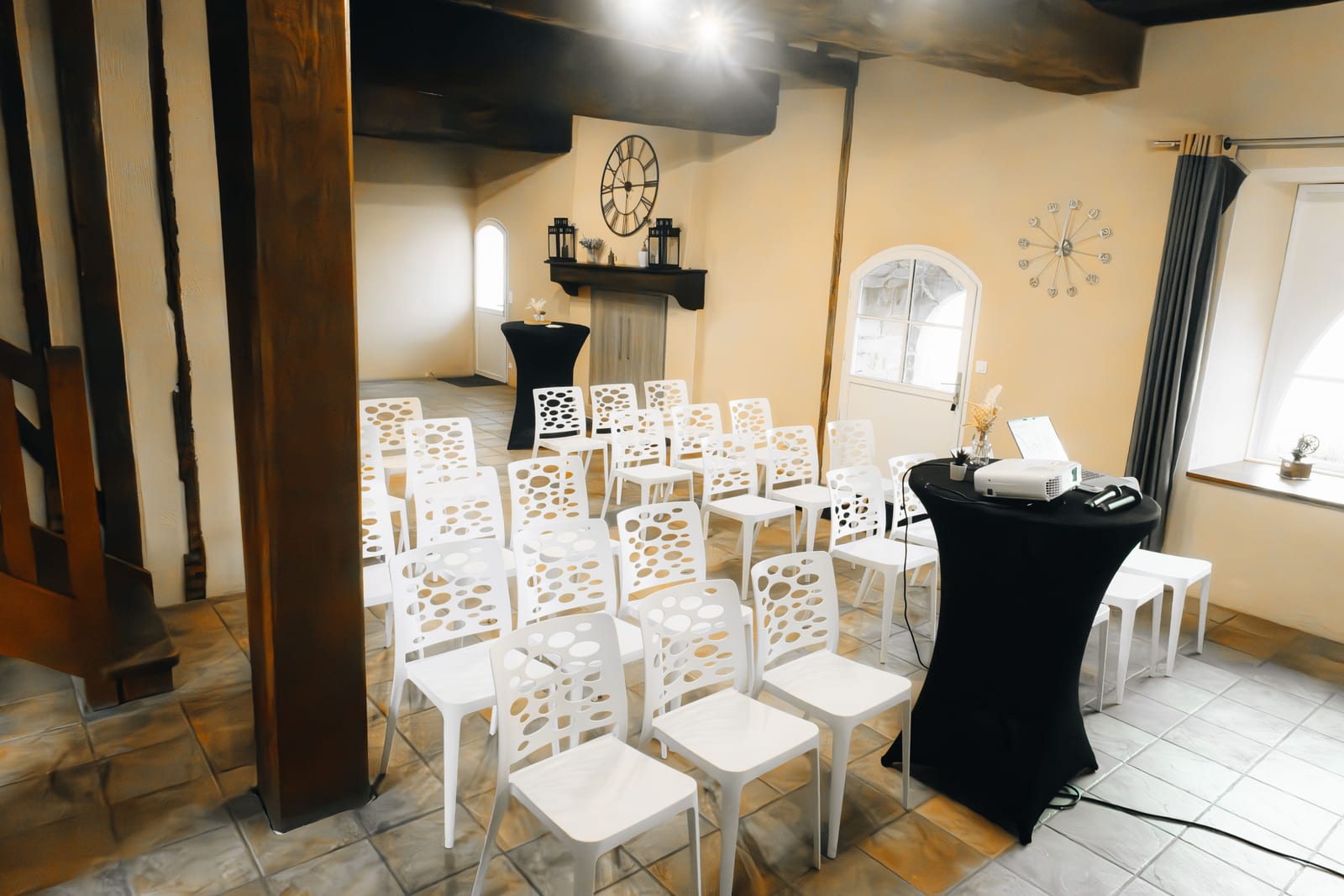
Short answer, because you are busy and probably have an event to run: a basic custom registration form takes about 5 to 15 minutes on a modern no-code builder, a properly branded form with multiple ticket types and a few conditional questions takes 30 to 60 minutes, and a fully wired setup with payments, CRM sync and automated emails is usually an hour or two the first time. So when people ask how long does it take to set up custom registration forms, the honest reply is "less than you fear, unless you are integrating with something, in which case budget an afternoon." This guide breaks the timings down by complexity so you can plan the day instead of guessing.
How long does it take to set up custom registration forms, by complexity
The phrase "custom registration form" covers everything from a name-and-email box to a multi-track conference beast with per-ticket-type questions. The time it takes scales with how much of that you switch on. Here is the realistic breakdown, drawn from what builders and organisers actually report (see Gravity Forms' guide for the field-marketing end of the spectrum).
| Form complexity | Realistic setup time | What you get |
|---|---|---|
| Basic | 5 to 15 minutes | Name, email, one ticket type, confirmation email |
| Branded and multi-tier | 30 to 60 minutes | Your branding, several ticket types, custom questions |
| Conditional and segmented | 1 to 2 hours | Questions that change by attendee type, capacity limits |
| Fully integrated | 1 to 3 hours first time | Payments, CRM sync, automated workflows and reminders |
Notice that the jump is not linear. Adding fields is fast. Adding logic and integrations is where the clock moves, and it moves once. Build a good template and every future event drops back to the 5-to-15-minute end, because you are duplicating, not starting over.
The step-by-step, with a stopwatch
Step 1: Fields and ticket types (5 to 10 minutes)
Start with what you genuinely need to know, not everything you could possibly ask. Every extra field is another reason for someone to abandon the form, so name, email and ticket type first, then add only questions with a real purpose (dietary needs, session choice, company). Set up your ticket tiers here too. On a decent builder this is drag, drop, done.
Step 2: Branding (5 to 15 minutes)
Logo, colours, and ideally your own domain on the form and confirmation emails. This is the bit that decides whether attendees trust the page enough to type their card in. It is quick, and it is worth doing properly rather than leaving the platform's default look staring back at your guests.

Most of your registrations happen here, on a phone, in about forty seconds. Design the form for that, not for your desktop. Credit: Luis Cortes / Unsplash
Step 3: Conditional logic, if you need it (15 to 30 minutes)
This is where custom forms earn the word "custom". Show the workshop dropdown only to workshop ticket holders. Ask exhibitors different questions from attendees. Cap a session at 50 seats and close it automatically. It takes a little longer to set up because you are building rules, but it saves you a spreadsheet nightmare later, so it pays for itself before the doors even open.
Step 4: Payments (10 to 20 minutes)
Connect your payment processor so money lands in your own account. If the platform lets you use your own Stripe, this is a quick connect-and-authorise step rather than a compliance project. Test one transaction before you go live, always, because "I assumed it worked" is a terrible sentence to say to a finance team.
Step 5: Automated emails and integrations (20 to 60 minutes first time)
Confirmation emails, reminders, and syncing registrants into your CRM. This is the slowest single step and the one most worth the investment: a couple of hours of build time pays back across every event for the rest of the year. Once the automation exists, it runs itself.
Run the Whole Event From One Platform
Ticketing, registration, promotions and check-in together, so the plan and the tools finally match.
A registration form is not a one-day job you dread. It is a one-hour template you build once and reuse until it retires.
What actually slows you down
Rarely the form builder. Usually the decisions. The two biggest time sinks are not knowing which questions you need (so decide before you start, not mid-build) and integrations that do not play nicely, especially older CRMs or a payment setup that forces a workaround. If your platform makes payments and CRM sync native rather than a bolt-on, you skip most of the pain. If it does not, that "quick form" can quietly eat a morning.
Build once, reuse forever: the template trick
The single biggest time-saver is not a faster builder, it is refusing to start from scratch twice. After you build your first proper form, save it as a template. Your next event becomes a duplicate-and-tweak job: change the dates, adjust a couple of ticket tiers, swap the header image, done in minutes. Organisers who run a series of events (a quarterly summit, a monthly workshop, a touring roadshow) get the biggest payback here, because the two hours you spent wiring up automation the first time is spread across a dozen events that each took five minutes to launch.
A quick note on mobile, since it changes your timings in a hidden way. The majority of your registrations happen on a phone, so build and preview the form on a phone-sized screen from the start. A form that looks tidy on your monitor can be a scrolling marathon on mobile, and every extra swipe is another chance for someone to give up. Getting this right at build time costs you nothing extra; discovering it after launch costs you registrations, which is a much worse trade. A short field list, sensible defaults and large tap targets do more for completion rates than any clever feature.
When a simple form is genuinely enough
Honesty check: if you are running a free community meetup for forty people, you do not need conditional logic and CRM automation, and a basic free tool set up in five minutes is the right answer. Custom registration is for events where the data you collect and the experience you present actually change the outcome (paid conferences, trade shows, corporate summits). Do not build a spaceship to cross the road.
Where eventcloud fits
eventcloud is built so the slow steps above stay quick. Custom fields, multiple ticket types, branded pages on your own domain, conditional questions and automated emails are part of the platform rather than add-ons, and payments run through your own Stripe account, so connecting them is a short authorise step, not an integration saga. It sits on flat pricing (unlimited events and tickets), which matters here because you can build and reuse as many registration forms as you like without the cost creeping up per event. Once your first template is done, spinning up the next event's form really is a few minutes.
The fastest way to sanity-check your own timeline is to map your must-have fields and integrations against a real builder. You can see how the registration tools work on the product tour, and the pricing page shows why building lots of forms does not cost you extra. Then go set yours up, ideally before the coffee goes cold.