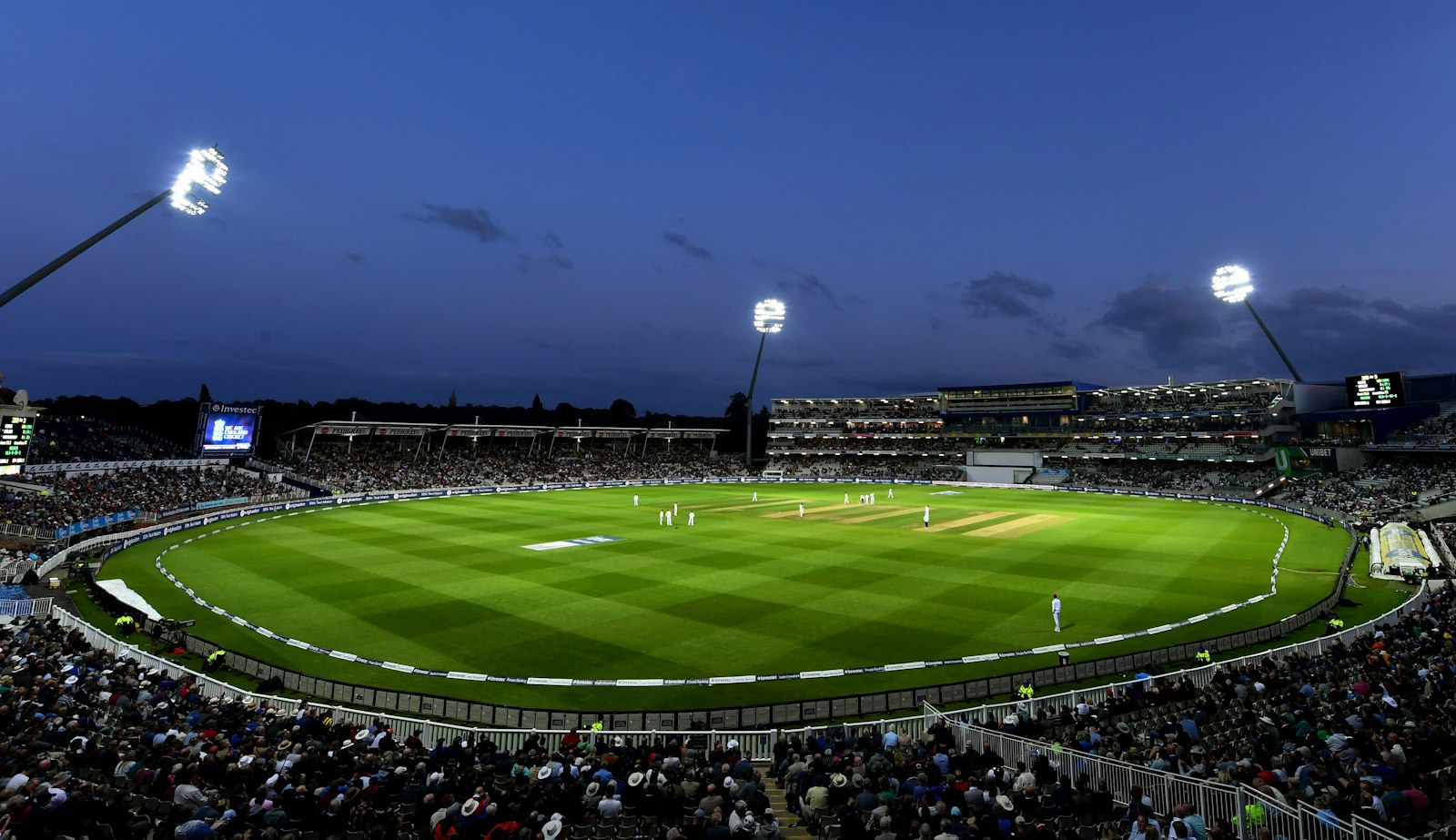
Every event organiser knows the ritual. You open registration, set an early-bird price, promise yourself you will nudge it up later, and then leave the same number sitting there for four months because nobody has time to babysit a pricing page. Stanford University just showed what happens when you hand that job to a machine instead, and the number it produced should make every conference planner sit up: in a single season, artificial intelligence set the price on enough seats to account for 19.4% of Stanford Basketball's entire ticket revenue.
That figure, reported on 1 July by TheTicketingBusiness, is not a projection or a vendor's daydream. It is what actually happened when Stanford Athletics plugged an AI pricing engine into its ticketing stack and let the algorithm read the room.
The models set the price. Stanford set the rules. And a fifth of the basketball revenue came from seats no human had time to reprice.
What actually happened on The Farm
Stanford's athletics department had the pricing setup most event organisers will recognise instantly: seats bundled into fixed blocks, each block sharing one static price, updated by hand whenever somebody remembered. It was rigid, it was slow, and it quietly leaked money every time demand outran the price tag.
The fix came from two companies working together. Vivenu supplied an API-first ticketing platform, and WMT Digital supplied the AI pricing model that bolted onto it. Because Vivenu is built to talk to other software, no painful system migration was needed. The pricing engine simply connected to the existing setup and started listening to live demand.
The results, confirmed across both TheTicketingBusiness and the original April case study, were not subtle:
Dynamic pricing drove 19.4% of basketball ticket revenue and 12% of American football revenue, all in one season.
Average revenue per ticket rose 24% for basketball and 14% for football.
The system saved 436 hours of manual pricing work across the two sports.
Basketball and football were the only two sports running dynamic pricing last season, which means these numbers came from a standing start. Nobody spent a year tuning the model to get there.
How the machine sets the price without going rogue
The part event organisers will care about most is the leash. Stanford did not simply unleash an algorithm on its fans and hope for the best. The department set a floor and a ceiling for every ticket, and the AI could only move within that range. Inside those guardrails, prices drifted up and down in response to real demand, updating as often as by the minute.
Resale sat completely separately, handled through StubHub, so the primary sale and the secondary market did not trip over each other. The department kept ownership of its own data and full visibility over distribution. In the words of Vivenu co-founder Simon Weber, Stanford "kept full control of the floor and ceiling" and "fully captured the upside." The machine did the maths. The humans still made the rules.
What this means for event organisers
Here is the uncomfortable truth for anyone running conferences, trade shows, summits or galas: the static early-bird tier you are using right now is the exact model Stanford just abandoned. You pick three or four prices, you set some cut-off dates, and you hope the calendar does your pricing for you. It rarely does.
Demand for B2B events is lumpy in ways that reward smart pricing. A keynote announcement sends a spike. A competitor's cancelled event sends latecomers scrambling. The two weeks before doors open are a stampede of people who left it too late. A flat price ignores every one of those signals. Demand-responsive pricing catches them.
Tired of Fee Announcements? Go Flat
eventcloud charges one subscription with no per-ticket fees, so platform news stops being budget news.
| Feature | Static early-bird tiers | Demand-based pricing |
|---|---|---|
| Who sets the price | You, months in advance | A model, within your limits |
| Reacts to a keynote reveal | No | Yes, within minutes |
| Captures the last-minute rush | Rarely | Yes |
| Admin effort | Constant manual edits | Set floor and ceiling once |
| Risk of leaving money behind | High | Lower |
The caveat is real, though. B2B buyers are not impulse concert-goers. A delegate who spots a colleague paying less for the same seat will not forgive it, and procurement teams booking ten passes want a number they can defend in a budget meeting. The lesson from Stanford is not "surge price your attendees into the sea." It is "set sensible limits, let the price move within them, and never let it embarrass you." A tight floor and ceiling is the difference between clever revenue optimisation and a customer-service fire.
The early bird is older than you think
Dynamic pricing is not new, it has just taken decades to reach the events desk. Airlines have priced this way since the 1980s, hotels followed, and ride-hailing apps made surge pricing a household grumble. The early-bird conference ticket, by contrast, is a blunt instrument from a pre-software era: a single discount stapled to a date, designed to reward early commitment and forecast attendance. It was clever in 1995. It is now the pricing equivalent of a fax machine that still works but makes everyone in the room slightly sad.
What has changed is not the theory but the plumbing. The reason Stanford could do this without a six-month IT project is that its ticketing platform was API-first. The pricing brain could clip on without ripping out the ticketing spine. That architecture, not the algorithm itself, is the real story. For years the maths existed but the software could not share data fast enough to use it.
Watch this space
Expect this capability to arrive in mainstream registration platforms faster than most organisers assume. The Stanford integration is explicitly described as repeatable: any programme on the same platform can add it. Swap "any programme" for "any conference" and you can see where this goes. The next 18 months will likely bring demand-based pricing as a toggle inside event software, sold to organisers who have never heard the phrase "yield management" and will not need to.
The organisers who win will be the ones who treat AI pricing as a tool with a leash, not a slot machine. Set the floor at a price you are proud of, set the ceiling at a price you can defend, and let the middle move. The ones who lose will be the ones who either ignore it entirely and keep leaving Stanford-sized sums on the table, or who let it run wild and torch the trust they spent years building.
At eventcloud we have always charged organisers one flat platform fee rather than skimming a percentage of every ticket, which means whatever pricing strategy you choose, static, tiered or smart, the upside stays in your pocket rather than ours. However you decide to price the room, it is worth understanding exactly what your ticketing platform takes before the money reaches you. Stanford kept the upside because it controlled the rules. So should you.