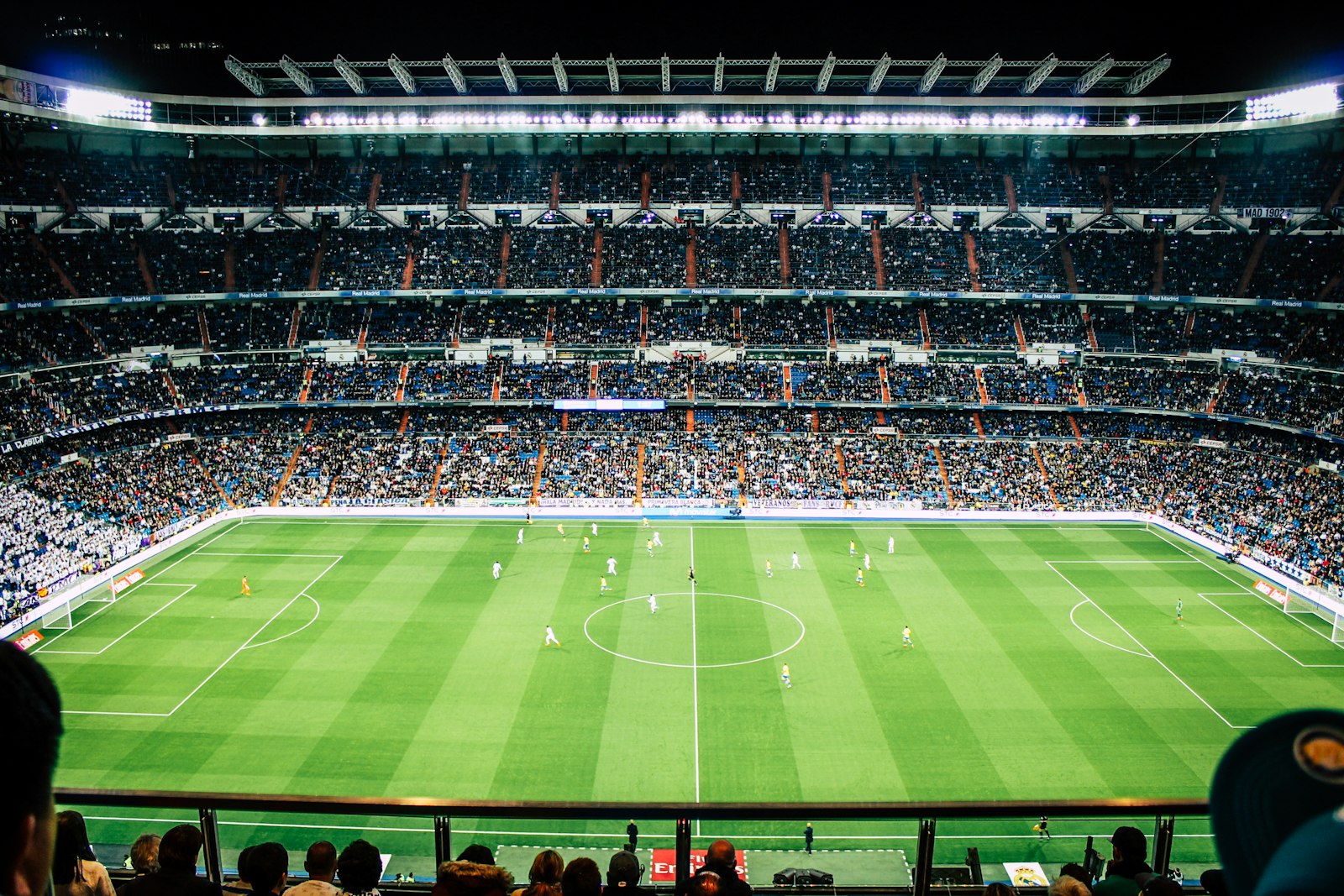
If you have ever built an event checkout, you know the furniture. A tempting "from" price on the landing page. A countdown clock ticking away next to the seat map. A pre-selected "best" option that just happens to be the most expensive one. Standard stuff, right? Not any more. On 13 July, the Frankfurt am Main Regional Court looked at exactly that furniture on FIFA's World Cup ticket shop and ruled it unlawful, according to TicketNews. Days before the final of its own tournament, football's world governing body got shown a legal red card on home soil.
The whistle blows in Frankfurt
The preliminary injunction came after a challenge by Ticombo, a secondary ticket marketplace, which argued that FIFA was breaking the same consumer protection and transparency laws that everyone else in ticketing has to follow. The court agreed on several fronts, and the list of banned practices reads like a greatest hits album of checkout tricks.
On the primary "Last-Minute Sales" platform, FIFA can no longer advertise "from" prices when no tickets actually exist at that price. Ticombo's evidence included tickets marketed from $1,745 that jumped to $8,995 once a buyer entered the purchase flow. The court also barred FIFA from forcing buyers to commit to a seat before seeing the final total cost, and took particular exception to a rigid six-minute countdown timer that, on expiry, dumped users back into the waiting queue to start again, fresh CAPTCHA included. Combined with a "Book the best seat" feature that defaulted to the priciest option without showing individual seat prices, the court labelled the whole arrangement an aggressive commercial practice.
The ruling also reached into FIFA's official resale marketplace. Under the EU's Digital Services Act, FIFA must now disclose the identity and address of commercial sellers before a purchase completes. Ticombo had discovered that leftover inventory from national football associations was being funnelled through the resale platform without any seller identification. According to Newsweek, breaches carry fines of up to 250,000 euros per violation, with the threat directed at FIFA's most senior leadership personally.
Some caveats before anyone starts the Mexican wave. This is a preliminary injunction issued without an oral hearing, it applies only to German consumers, and FIFA can still challenge it. Ticombo says it is not pursuing damages, since the tournament wraps up this week.
A field guide to the offending flora
For organisers wondering what, precisely, crossed the line, here is the court's charge sheet in plain English.
| Practice | What the court found |
|---|---|
| Advertising "from" prices with no tickets at that price | Misleading pricing, banned |
| Hiding the total cost until after seat commitment | Breach of German unfair competition standards |
| Six-minute countdown that resets all progress on expiry | Part of an aggressive commercial practice |
| Defaulting buyers to the most expensive seat without showing individual prices | Unfairly coercive in combination with the timer |
| Anonymous commercial sellers on the official resale platform | Disclosure required under the Digital Services Act |
What this means for event organisers
The comfortable assumption in our industry has been that transparency rules are a stick for beating scalpers and shady resale sites. Frankfurt just flipped that. The court explicitly treated FIFA, the organiser, as subject to the same standards as any third-party marketplace. If the biggest event organiser on the planet cannot hide fees behind a seat map, neither can a 400-person conference.
Tired of Fee Announcements? Go Flat
eventcloud charges one subscription with no per-ticket fees, so platform news stops being budget news.
Treat the ruling as a free checkout audit. Can every advertised price actually be bought? Does the buyer see the full total, fees and all, before committing? Do your urgency mechanics inform people or punish them? Does any default quietly maximise basket value? If you flinched at any of those, fix it before a regulator, or a competitor with lawyers, does the flinching for you.
If your checkout only converts because the buyer is panicking, that is not optimisation. A German court just called it coercion.
There is also a genuinely novel angle here: the Digital Services Act being used against an event organiser's own marketplace. If your event platform hosts commercial third parties, exhibitors selling upgrades, agencies reselling allocations, that disclosure logic could plausibly reach you too.
The crackdown nobody at FIFA saw coming (except everybody)
Frankfurt is not a lone referee. The United States FTC's junk fees rule has required all-in pricing for live event tickets since May 2025. The UK's Digital Markets, Competition and Consumers Act banned drip pricing from April 2025. And in the past few months alone we have covered Vermont capping resale prices, British Columbia scrutinising World Cup ticketing, and Ontario hastily rewriting its own price cap law. Washington DC passed its Resale Act this week. The direction of travel is unmistakable: the full price, up front, everywhere, enforced.
What makes the FIFA case different is who lost. Previous enforcement mostly targeted resale platforms. This one names the organiser, and it lands just as sports bodies worldwide lobby to centralise resale inside their own closed ecosystems. The Frankfurt court's message: fine, run your own marketplace, but the rulebook comes with it.
Watch this space
Three things worth tracking once the confetti settles. First, whether FIFA challenges the injunction or quietly redesigns its flows for 2030. Second, whether other national courts in the EU pick up the DSA thread, because the ruling is Germany-only but the law is not. Third, whether the "aggressive commercial practice" framing around countdown timers migrates into consumer guidance more broadly. Urgency widgets are everywhere in event tech, and they have just acquired case law.
At eventcloud we have always thought the honest version of urgency is simply telling people the truth: this is the price, all of it, and here is how many tickets are left. It converts perfectly well, and no court in Frankfurt will ever want a word. If your current setup makes showing the real total price feel risky, the problem is not the transparency.