Good sponsor ROI reporting in 2026 is not a photo of a busy hall and the words "great energy". Sponsors now want the same hard proof they get from a digital ad campaign: how many qualified leads they captured, how much booth traffic they actually pulled, how many people sat in their sponsored session, and whether any of it turned into pipeline 30, 60 and 90 days later. Logo placement and impressions still get a mention, but they no longer close a renewal on their own. If you want that sponsor back next year, you need numbers, and you can only report the numbers you captured on the day.
So this is a two-part job: know which figures sponsors actually ask for, and set up your event so those figures exist automatically instead of being reconstructed from a clipboard afterwards.
The numbers sponsors actually ask for
Ask a modern sponsor what "value" means and the answer has moved a long way from brand exposure. The metrics that carry weight in sponsor ROI reporting now cluster into four groups: leads, traffic, attention and pipeline.
Leads are the headline. Not how many badges were scanned, but how many qualified leads the sponsor left with, ideally tagged by interest so their sales team knows who to call first. Traffic is booth engagement: unique visitors and, increasingly, dwell time, because ten people who lingered beats a hundred who walked past. Attention is session data: if a sponsor funded a keynote or a breakout, how many people actually attended, not how many were invited. And pipeline is the long game: how many of those leads are still live in the sponsor's CRM months later, because that is the number that ties your event to revenue.
Sponsors are not asking for more metrics. They are asking for metrics that survive a conversation with their finance team.
Vanity metrics versus metrics that renew
The fastest way to lose a sponsor is to hand them a report full of numbers that sound big and prove nothing. Here is the honest split between what fills a slide and what actually earns a renewal.
| Vanity metric | What sponsors would rather see |
|---|---|
| Total event attendance | Visitors to the sponsor's booth and how long they stayed |
| Logo impressions or reach | Qualified leads captured, tagged by interest or intent |
| Social media mentions | Session attendance for the talk the sponsor funded |
| Number of badges scanned | Leads still active in the CRM 30, 60 and 90 days later |
| "Great engagement on the day" | Cost per qualified lead, so they can compare it to other channels |
The left column is not useless, it just cannot stand alone. Pair every exposure number with an outcome number and your report suddenly reads like a business case rather than a scrapbook.
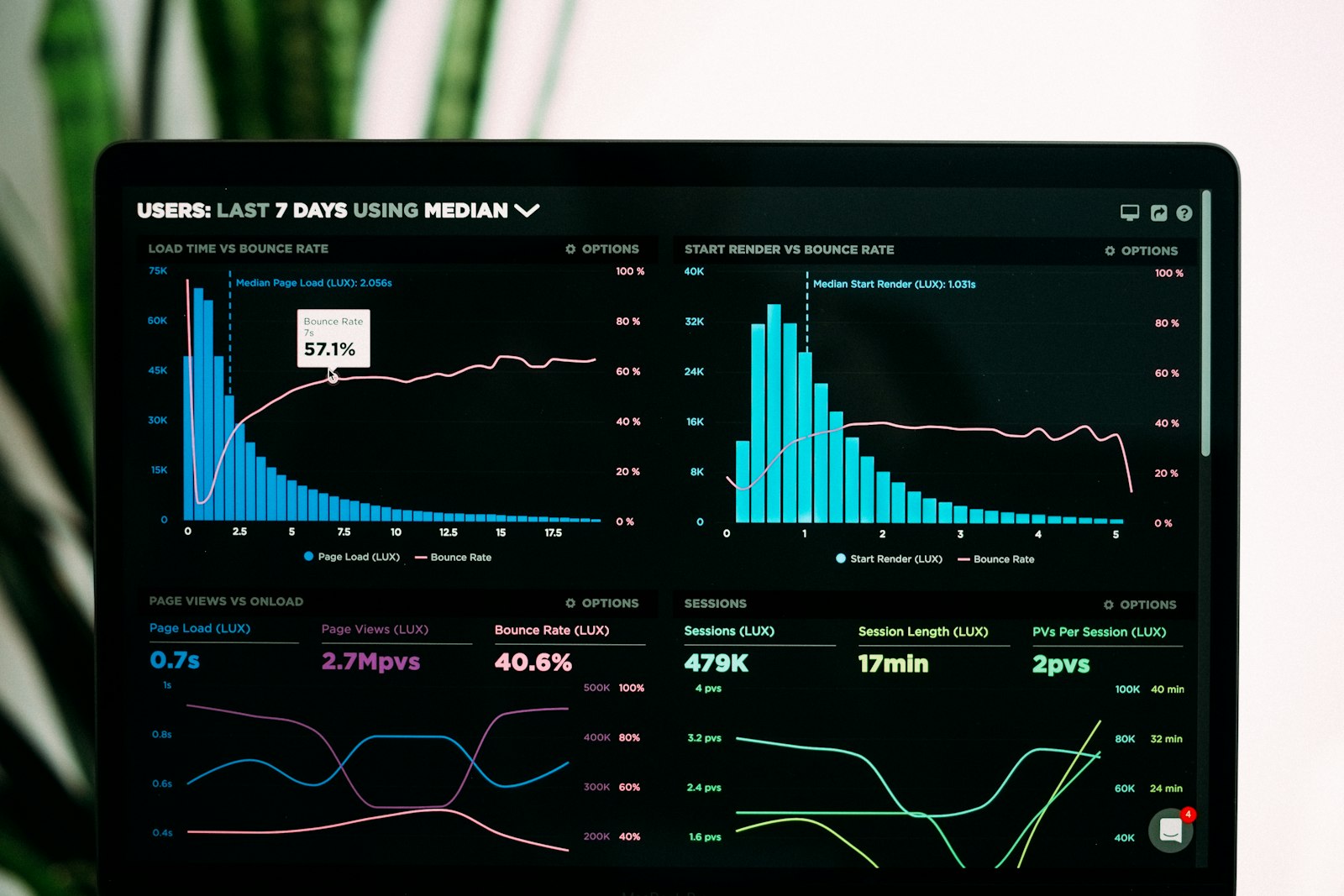
Sponsors want the dashboard, not the vibe. Numbers renew contracts; vibes do not. Credit: Luke Chesser / Unsplash
You can only report what you capture
Here is the uncomfortable truth behind every thin sponsor report: the data did not exist because nobody set up the capture. If you want to tell a sponsor how many qualified leads they got, someone has to scan and tag those leads. If you want booth traffic, the entrance to that stand needs to register scans. If you want session attendance, the sponsored talk needs its own check-in point feeding the same system as everything else.
The mechanics are not exotic. A lead retrieval tool (often just the scanning app on a phone) lets exhibitors capture a visitor's details with a single scan and add a note or a tag. Session check-in gives you attendance per talk. Badge scans at a booth give you traffic. The one rule that makes all of it usable: it must all land in one record, tied to the same attendee database, so a person who registered, visited a booth and sat in a session is one connected story rather than three anonymous scans in three separate exports. When check-in, registration and lead capture live in different tools, you spend the week after the event stitching spreadsheets and still cannot prove much.
Give Sponsors Something to Measure
Registration data, engagement tools and reporting that show sponsors exactly what their money bought.
Give sponsors a live view, not a PDF a week late
The other upgrade sponsors quietly love: access, not attachments. Instead of promising a report and delivering it seven days later when the leads have gone cold, give each sponsor a read-only view of their own numbers. They see their booth traffic, their leads and their session attendance, and nobody has to email a spreadsheet around.
The trick is scoping. A sponsor should see their own performance data and aggregate event figures, not your full attendee list or another sponsor's leads. Role-based, read-only access does exactly that: generous with the numbers that prove value, stingy with personal data that is not theirs to have. It also protects you, because you can always show who accessed what. Handing a sponsor a live, permissioned view of an event platform beats a static PDF on every axis that matters: it is faster, it is current, and it makes the sponsor feel like a partner rather than a line item.
A sponsor report that actually gets read
Keep the structure simple and outcome-led. Open with the deal: what the sponsor paid for and what they were promised, so the report answers the obvious question first. Then the value block: qualified leads, booth traffic and dwell, session attendance, and any digital engagement, each next to the target you set. Then context: cost per qualified lead, and where possible a note on pipeline influence once the CRM data matures. Close with a short "what we would do together next time", because a renewal conversation is far easier when the report already points at it.
Match the depth to the tier. A headline sponsor who paid for a keynote wants the full pipeline story; a bronze-tier stand holder wants their lead count and their booth traffic without a fifty-page appendix. Tie your premium packages to data and outcomes rather than logo size, and the report writes its own upsell.
One more thing that quietly builds trust: benchmark against last time. If you run the event as a series and keep the data in one place, you can show a sponsor that their booth traffic rose 18% year on year, or that their cost per qualified lead fell. A single-event number tells a sponsor what happened; a trend tells them the relationship is working. That comparison only exists if this year's figures and last year's figures live in the same system rather than in two archived spreadsheets nobody can find.
When you can keep it simple
Not every event needs an onsite analytics stack. A small community fundraiser with one local sponsor who just wants their banner seen does not need dwell-time heatmaps, and pretending otherwise wastes everyone's afternoon. If your sponsorship is genuinely a goodwill logo placement, a thank-you and a couple of honest attendance numbers is a complete report. Over-instrumenting a tiny event is its own kind of waste.
But the moment a sponsor is paying real money and expecting real return, the reporting is only as good as the capture, and the capture has to be designed in before the doors open, not remembered afterwards. If your sponsors are starting to ask for pipeline numbers and pointed questions about lead quality, it is worth making sure your check-in, registration and lead capture all feed one place. See how eventcloud handles conference and sponsor data so next year's report is a renewal document, not an apology.