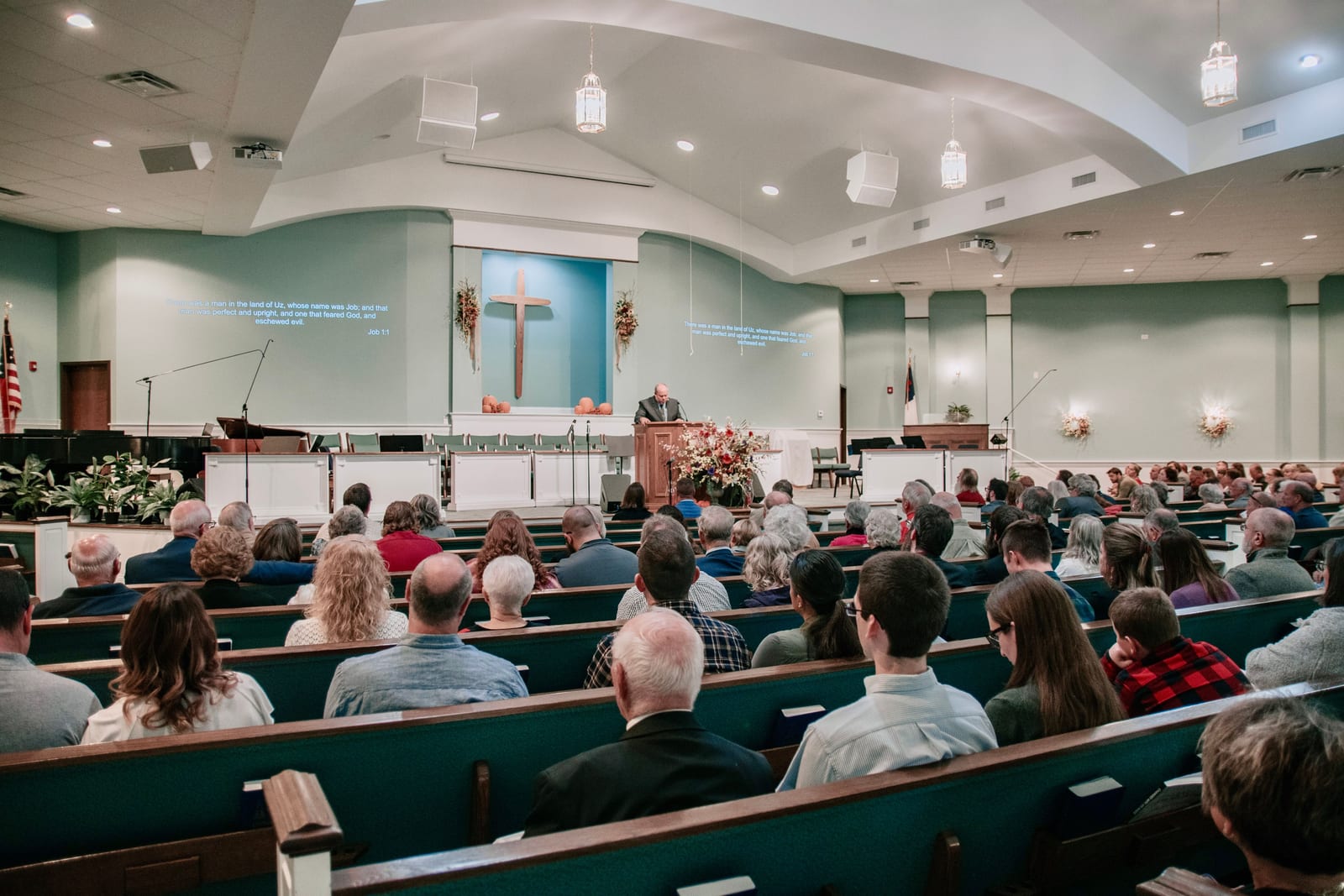
For free services, small groups and community events, the best pick is Zeffy (genuinely 0 dollars for nonprofits) or Ticket Tailor's free tier. For paid conferences, ticketed fundraisers and anything at real volume, a flat-fee platform like eventcloud or Ticket Tailor's charity rate keeps more money in the ministry. Eventbrite works, but its per-ticket fees quietly eat donations.
Churches and faith organisations are a genuinely awkward fit for most ticketing software, and not because the events are complicated. It is because the calendar is a mix of free and paid, the budget is tight, the volunteers running the door change every week, and every pound or dollar skimmed off the top is money that was meant for the mission. So the right platform is rarely the flashiest one. It is the one that fits that specific shape.
What Makes a Ticketing Platform Right for a Church?
Four things matter more for a faith organisation than for a corporate conference. First, free events must genuinely be free to run, because most of what a church schedules (services, prayer meetings, small groups, community drop-ins) does not sell a ticket at all. Second, when you do charge, for a conference, a retreat, a fundraising gala, the fee should be small and predictable rather than a percentage that grows with your success.
Third, check-in and registration have to survive being handed to a rotating team of volunteers, which means simple QR scanning on a phone rather than a training course. Fourth, the recurring nature of church life (weekly services, termly courses, annual conferences) rewards a platform where you can clone an event or run a season pass without rebuilding everything. Hold any candidate up against those four and the list gets short quickly.
How Much Do the Fees Actually Cost a Church?
This is where donations leak, so look at real numbers rather than headline claims. On a paid ticket, the platform cut is the difference between funding a youth trip and not. The table below compares what each option charges, using figures checked in August 2026, so you can see who keeps your ministry whole.
| Platform | Fee on a paid ticket | Free events | Best for |
|---|---|---|---|
| Zeffy | 0 dollars platform fee, donor-tip funded, nonprofit only | Free | Small churches and fundraisers wanting zero platform cost |
| Ticket Tailor | 0.30 to 0.85 dollars per ticket, 50 percent off for registered charities, plus own card processing | Free up to 5,000 free tickets a year | Paid conferences and retreats on a tight budget |
| Eventbrite | 3.7 percent plus 1.79 dollars service plus 2.9 percent processing per paid ticket | Free | Reaching new attendees via its public marketplace |
| Eventzilla | 1.50 or 1.99 dollars per registration plus a monthly minimum, plus processing | Free tier available | Occasional paid events on a budget |
| eventcloud | 0 dollars per ticket, flat 125 dollars per user per month, own Stripe | Included, unlimited | Larger churches running many events all year |
A quick worked example makes the shape obvious. Sell 500 tickets to a conference at 40 dollars on Eventbrite and the fees are roughly 5 dollars a ticket, so about 2,500 dollars gone. On Ticket Tailor's charity rate you pay pennies per ticket plus card processing. On a flat-fee platform the platform cut is 0 dollars and you pay only your own Stripe processing. The crossover is simple: the more you sell across the year, the more a flat or near-zero model saves.
Free Services and Paid Conferences Are Two Different Problems
Most churches try to solve both with one tool and end up overpaying on one side. For the free side (Sunday services, small groups, community meals) you want a platform where publishing a free event costs nothing and never nudges you toward a paid upgrade. Zeffy and Ticket Tailor both handle free events at no cost, and our guide to free event ticketing for charities walks through the trade-offs.
Ticketing That Doesn't Tax the Cause
Flat pricing means every fundraising event keeps its margin, whether you sell fifty tickets or five thousand.
For the paid side (the annual conference, the ticketed dinner, the fundraising gala) the maths changes, because now a percentage fee is skimming real money off a real ticket price. That is where a charity rate or a flat fee earns its keep, and where our piece on online ticket sales for fundraisers covers how to stop the leak. The honest answer for many churches is to use a free-tier tool for the free calendar and a low-fee or flat-fee tool once paid volume justifies it.
What About Registration and Check-in on a Sunday?
The door is where church events actually succeed or fall apart, because the person scanning tickets is a volunteer who found out ten minutes ago that they were on the rota. So the test is not how powerful the check-in system is, but how little training it needs. Browser-based QR check-in that runs on any phone, with no app to install and no card reader to configure, is the realistic bar.
Registration matters too, but keep it light. Collect only what you will use: dietary needs for a dinner, a child's age for a holiday club, a small-group preference for a course. Platforms that let you attach a different short form to each ticket type (member, visitor, volunteer, child) keep the questions relevant without turning sign-up into a survey. On flat-fee platforms like eventcloud these forms and browser check-in are included rather than charged as extras, which matters when every add-on is a line item you have to justify to the treasurer.
Who This Advice Is Not For
If your church only ever runs free services and never sells a ticket, you may not need event software at all: a simple sign-up form or your existing church management system might cover it, and paying for a ticketing platform would be spending money to solve a problem you do not have. If you run large multi-site broadcasts with streaming and virtual attendance, look at platforms built for hybrid delivery rather than a ticketing-first tool.
And if you are a tiny congregation running one paid event a year, do not sign up to a monthly subscription of any kind: a per-ticket tool on its charity rate, or a genuinely free nonprofit platform, will cost you less. Flat-fee models only win once you are running events often enough that the per-ticket cuts would have added up. Be honest about your volume before you commit.
So Which Should Your Church Choose?
Start with your calendar, not the feature list. Mostly free events and a small budget point to Zeffy or a free tier. A few paid events a year point to Ticket Tailor's charity rate. A busy year-round programme of conferences, courses and fundraisers, where per-ticket fees would quietly drain thousands, points to a flat-fee platform where your success is never a billing event. If that last one sounds like your church, see how eventcloud works for charities and faith organisations and check the full flat pricing before you decide.