If one event doubles from 1,000 to 2,000 paid tickets at $50, the ticketing bill doubles on Eventbrite (from $3,640 to $7,280 in service fees), on Humanitix ($3,790 to $7,580), on TryBooking and on Ticket Tailor. It stays exactly where it was on Swoogo, Bizzabo and eventcloud, because a subscription does not count tickets. Double the ticket price instead and the percentage platforms climb again while the flat per-ticket ones do not. Which of those three curves you are on is the whole question.
Why does the bill double when the event does?
Because most ticketing platforms are paid a slice of each sale rather than a price for the software. That is a business model choice, and it means the vendor's revenue is indexed to your attendance. When your event grows, theirs grows with it, without anyone renegotiating anything. I have written before about why the per-ticket model exists and what a year costs at three volumes; this article is narrower. It takes one event and asks what happens to the invoice when that single event gets bigger, or dearer, or both, because that is the moment most organisers discover their pricing model for the first time.
There are three shapes of bill. A percentage-plus-fixed model (Eventbrite, Humanitix, TryBooking's default gateway, RegFox) grows with volume and with price. A flat per-ticket model (Ticket Tailor, TryBooking's own-Stripe option) grows with volume only. A subscription (Swoogo, Bizzabo, eventcloud) grows with neither; it grows with the number of people on your team who need a login.
What does doubling the attendance cost on each platform?
Take a single conference selling $50 tickets and run it at 500, 5,000 and 50,000 tickets. The table shows platform fees only, using each vendor's published rate as re-verified in September 2026. Humanitix and TryBooking bundle card processing into the headline rate, so their figures are all-in; Eventbrite, RegFox, Ticket Tailor and the three subscription platforms leave processing to the card gateway on top. The two UK platforms are shown on a £40 ticket in sterling because that is the currency they publish in.
| Platform and published basis | 500 tickets | 5,000 tickets | 50,000 tickets |
|---|---|---|---|
| Eventbrite, 3.7% plus $1.79 per paid ticket (processing extra) | $1,820 | $18,200 | $182,000 |
| Humanitix, 5% plus $1.29 per ticket, processing included | $1,895 | $18,950 | $189,500 |
| RegFox Standard, $0.99 plus 1% per registrant, capped at $4.99 (processing extra) | $745 | $7,450 | $74,500 |
| TryBooking UK, 5% plus 15p per ticket, VAT and processing included, on a £40 ticket | £1,075 | £10,750 | £107,500 |
| TryBooking UK on your own Stripe, 75p per ticket (Stripe fees extra) | £375 | £3,750 | £37,500 |
| Ticket Tailor, 60p per ticket pay as you go, ex VAT (processing extra) | £300 | £3,000 | £30,000 |
| Swoogo Professional, flat annual licence, one full user | $11,800 | $11,800 | $11,800 |
| Bizzabo, flat annual licence, three-user minimum | $17,999 | $17,999 | $17,999 |
| eventcloud Team, flat annual licence, one user | $1,250 | $1,250 | $1,250 |
Read the table by row, not by column. Six rows are straight lines with a slope. Three are horizontal. Sources: Eventbrite, Humanitix, RegFox, TryBooking, Ticket Tailor, Swoogo, Bizzabo and the eventcloud pricing page.

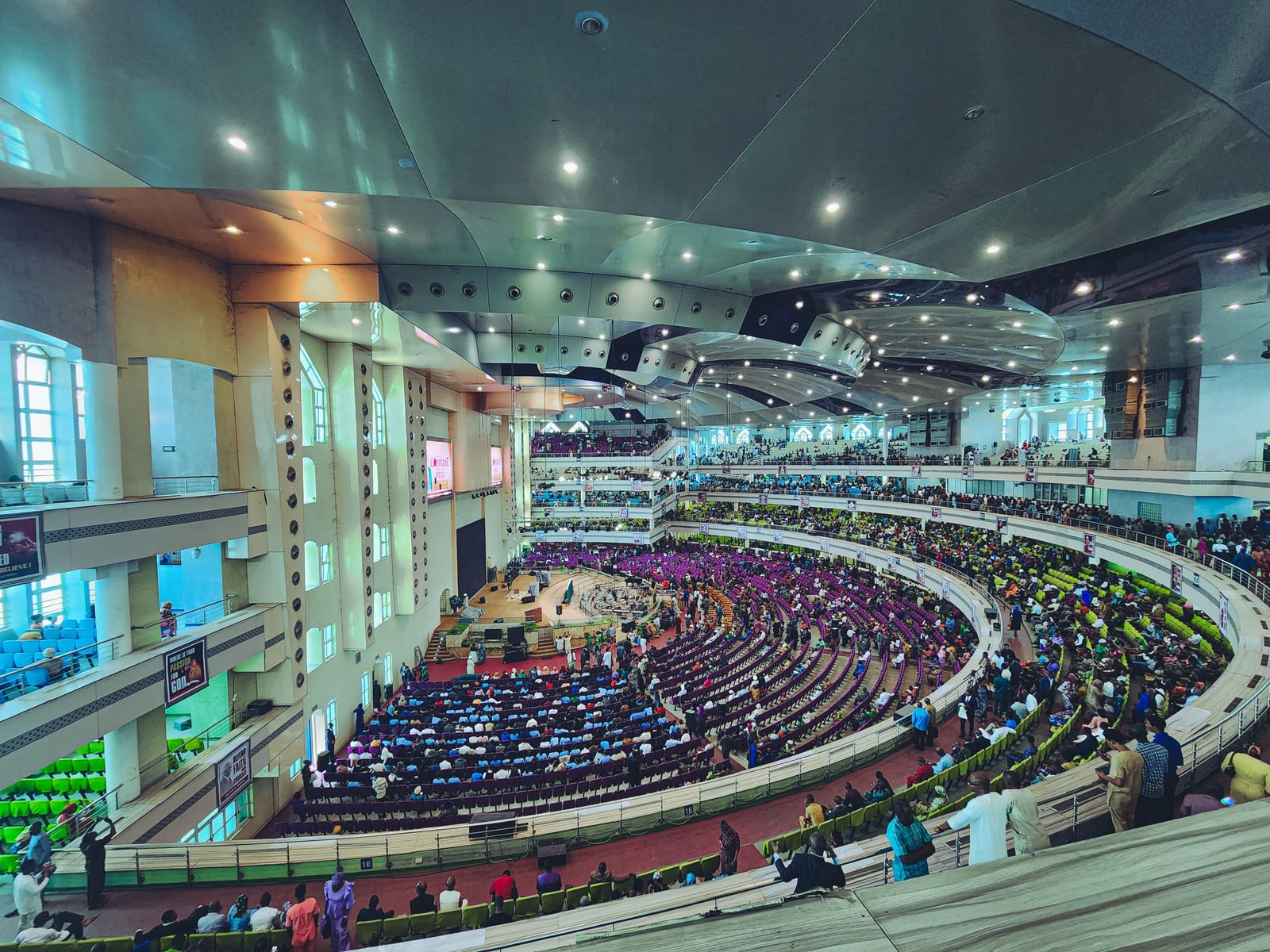
Twice the audience is the same amount of software. Whether it is twice the invoice depends on the pricing model · credit: Caleb Oquendo / Pexels
What happens when the ticket price doubles instead?
This is the part the annual-volume comparisons miss, and it is the part Glastonbury just demonstrated by taking its ticket from £248 to £403 over eight years while its customer-facing booking fee stayed at £5. Hold attendance at 1,000 and lift the price from $50 to $100.
On Eventbrite the per-ticket service fee goes from $3.64 to $5.49, a 51% rise in the platform's take for the same number of attendees and the same amount of work. Humanitix goes from $3.79 to $6.29. TryBooking's UK default goes from £2.15 to £4.15 on a £40 ticket becoming £80. RegFox's cap does something interesting: $0.99 plus 1% of $100 is $1.99, well under the $4.99 ceiling, so it rises but gently. Ticket Tailor stays at 60p and TryBooking's own-Stripe rate stays at 75p, because neither looks at the price. The three subscriptions do not move at all.
The practical lesson is that a percentage fee is a tax on your pricing decisions. Every time you add a premium tier, raise the early-bird, or bundle a dinner into the pass, you are giving the platform a raise. On a flat model, pricing is your business alone.
Which other costs double alongside the ticketing fee?
Ticketing is the line that scales most visibly, but it is not the only one, and an honest doubling budget looks at all of them. The venue moves in steps, not straight lines: a room for 1,000 may cost the same as a room for 1,200 and then jump when you need a second hall. Catering is nearly linear. Registration staff and check-in devices scale with peak arrival rate rather than total attendance, so a well-designed door for 1,000 often handles 2,000 with the same crew and a longer window. Badge printing is linear in consumables and flat in hardware.
What Would Zero Booking Fees Save You?
eventcloud charges a flat subscription, not a cut of every ticket. Compare it with what your current platform takes.
Then there are the platform add-ons that do not appear in the table. Swoogo's kiosk mode and its Go Attend app are paid upgrades, Bizzabo sells advanced onsite check-in, custom badge printing and a branded app as premium add-ons above its base licence, and Cvent's OnArrival hardware is commonly rented per device per show. If your growth plan means adding self-service check-in or printed badges, ask for the add-on price list before you assume the licence is the bill. On eventcloud, QR check-in and badge printing are on the Team plan rather than sold separately, though the check-in app does not work offline, so a venue with no signal needs a plan.
Where does the flat line stop being flat?
Unlimited is a usage promise, not a magic word, and it has three edges. First, a subscription is priced per user. eventcloud is $125 per user per month or $1,250 per user per year from one seat; Swoogo's Professional tier is one full user at $11,800; Bizzabo starts at three users and $17,999. So the line is flat against tickets but it steps up with headcount, and a ten-person events team is ten times the eventcloud bill of a solo organiser. Second, unlimited does not mean every feature on every tier. There is no white-label add-on to buy on eventcloud at any price, because that capability lives in the Enterprise agreement. Third, unlimited never includes card processing. Stripe charges its standard rate on every transaction and eventcloud does not mark it up, but it is a real cost that scales with revenue on every platform in the table.
The crossover for one event is quick to find: divide the annual licence by the per-ticket fee. Against Eventbrite at $3.64 on a $50 ticket, $1,250 pays for itself at about 344 tickets. Against Humanitix at $3.79, about 330. Against RegFox at $1.49, about 840. Against Ticket Tailor at 60p on a £40 ticket, a £950 annual seat crosses at about 1,580 tickets, which is why Ticket Tailor stays the right answer for a lot of small organisers and I am not going to pretend otherwise.
A percentage fee means your growth is somebody else's revenue line. A subscription means your growth is your own problem, in the best possible way.
How to budget for a doubling before it happens
Take last year's event and write down the ticketing line. Now double the attendance and recompute it on your current platform's published rate, then double the average price and recompute again. If either sum doubles, you have found the cost of growth and can decide whether it is a trade you are happy to keep making. If neither moves, you have a subscription and the question is whether you pay for seats you do not use.
Do the same sum for the registration side. A conference that adds 800 free visitor registrations to 1,200 paid delegates is a 2,000-person event for the venue and the door team. On RegFox that is $0.99 per free registrant on top of the paid fees; on Cvent it is a per-registrant charge regardless of price; on Eventbrite, Humanitix, Ticket Tailor and eventcloud the free registrations cost nothing. eventcloud's registration forms run a separate form per ticket group, so the free visitors and the paid delegates can answer different questions without the free ones costing anything.
Who this is not for
eventcloud does not do virtual or hybrid events. If most of your programme happens on a screen with a studio-grade production layer behind it, Bizzabo or vFairs will serve you better, and the doubling in that world is bandwidth, not seats.
There is no attendee networking or matchmaking layer in eventcloud, so a meeting-heavy event that lives on the app will want Bizzabo, Swoogo or Whova. Stripe is the only outside system eventcloud talks to. If your registrations need to arrive in whatever your sales team runs on without anyone touching them, that is an export to Excel and an import at your end.
And if you run one event of a few hundred tickets a year, a subscription is the wrong shape. Under roughly 330 to 350 paid tickets a year the percentage platforms are cheaper, and Ticket Tailor's free tier for free events is very hard to beat.
If your next event is going to be twice the size of the last one, the pricing page has one number on it and it is the same number at 2,000 tickets as at 200,000. The Eventbrite comparison runs a single event through both models side by side.