A free breakfast event in Chicago just cut its no-show rate from 55% to 10% by charging $100 at registration and handing every attendee a crisp $100 bill at the door. Basecamp's parent company 37signals ran the experiment on 27 August; 55 people paid, 50 turned up, and the five who stayed in bed forfeited $500 to charity. Against a benchmark that says free events lose 28% of their registrants on the day, that is the biggest single lever on attendance most organisers have never pulled.
What did Basecamp actually do?
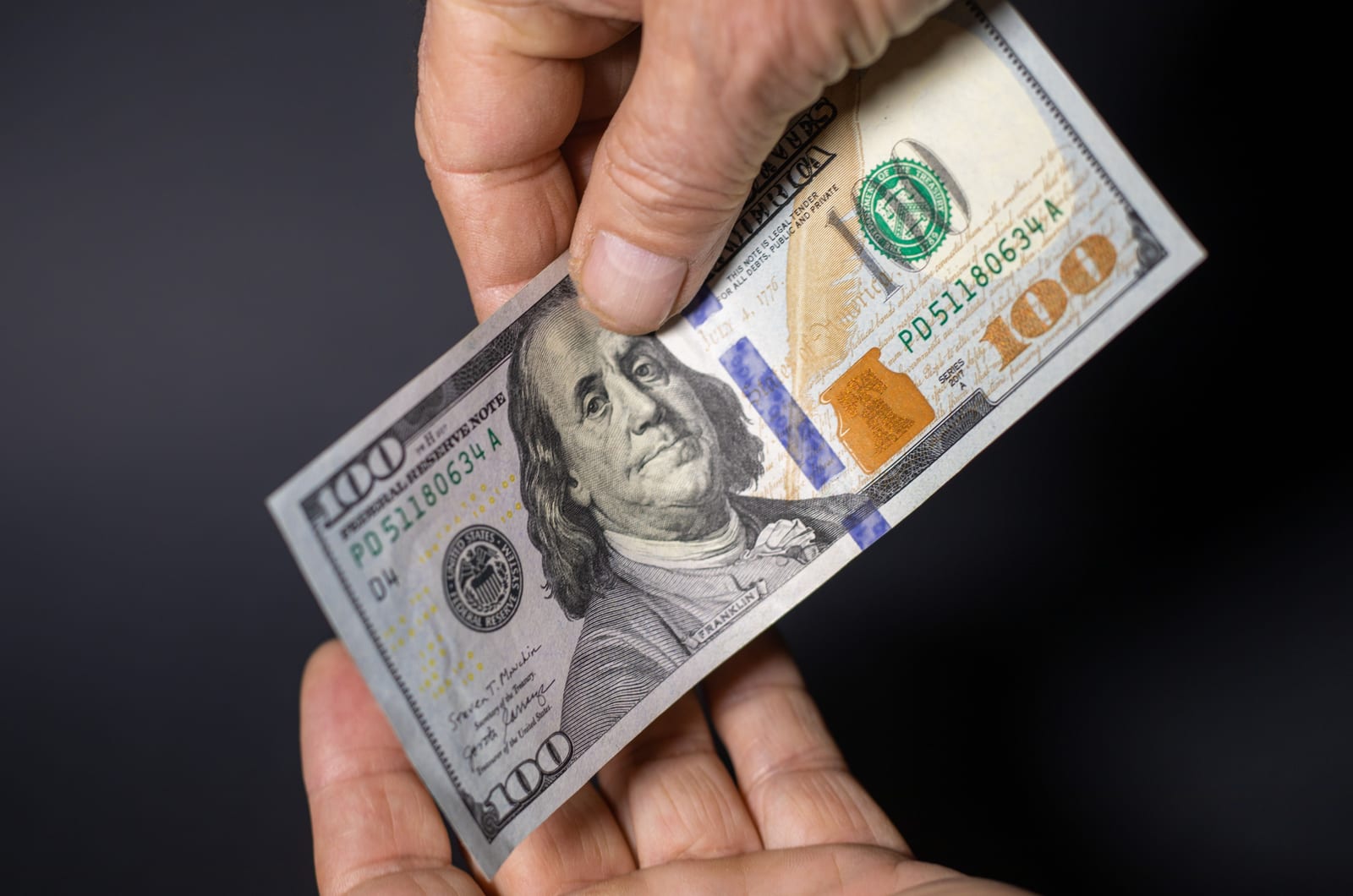
The mechanics were almost insultingly simple. Jason Fried, co-founder and chief executive of 37signals, explained the plan in a post the day before: registration for the free Breakfast with Basecamp event carried a $100 charge, refunded in cash to anyone who walked through the door, and kept from anyone who did not. He borrowed the idea from restaurants that take a deposit against a reservation, with one twist: since there was no meal bill to apply it to, the deposit was simply handed back.
The results, reported by Skift Meetings, are the interesting part. Fifty-five people registered and paid. Fifty attended, a 90% show rate. Basecamp's previous free event, run without the deposit, drew 84 registrations and 38 attendees, a show rate of about 45%. So the deposit cut registrations by roughly a third and increased the number of people in the room by roughly a third. The company handed out $5,000 in hundred-dollar bills and is donating the $500 left over.
How bad is the no-show problem for free events?
Bad enough that Basecamp's before number was ordinary. Event platform PheedLoop's Event Data Lab analysed check-in data from more than 1,070 live events earlier this year and found a median no-show rate of about 20%, with a mean of 29% because a minority of events lose more than half their expected attendance. Split by pricing model, free events posted a median no-show rate of around 28% against 17% for paid events, and the gap widened at the unlucky end: the worst quarter of free events lost 47% of registrants, the worst quarter of paid events 32%.
Size mattered too. Events expecting 10 to 49 people had a median no-show rate of 32%, and small free events specifically lost about 37%. Paid events, by contrast, sat at a steady 15% to 18% whatever their size. PheedLoop's blunt planning advice was to cater for 80% of registrations at paid events, 70% at free ones, and as low as 60% at small free ones. Skift reports that a follow-up analysis of more than 860 events found that whether people had paid, rather than how much friction the registration form had, was the better predictor of whether they showed.
A registration count for a free event is not a forecast. It is a mailing list with optimism attached.
Why does a refundable deposit work when a reminder email does not?
Event psychology advisor Victoria Matey, quoted by Skift, put it down to two well-worn behavioural principles: loss aversion and commitment. Losing $100 feels worse than gaining $100 feels good, so once the money is on the table, skipping the event costs something concrete rather than something abstract. Paying also acts as a commitment device; people who have taken an action to attend tend to follow through. Matey's caveat is that the amount is contextual. The act of putting something at stake does the work, and the right figure for a room of small-business owners is not the right figure for a room of students.
Fried's own caveat is more practical. His attendees were paying with their own money. If an employer pays for a delegate to attend, the delegate has nothing personally at risk, so a deposit may do far less for a corporate audience. He also acknowledged the obvious cost: 29 fewer people registered, and some of them will have been put off by the idea of parting with $100 for a morning, even temporarily.
Tired of Fee Announcements? Go Flat
eventcloud charges one subscription with no per-ticket fees, so platform news stops being budget news.
What this means for event organisers
Registration totals are the wrong success metric for free events. Basecamp's experiment produced a smaller registration list and a fuller room, which is the outcome organisers actually want and the number most dashboards do not show. If your platform reports registrations prominently and check-ins as an afterthought, that ordering is quietly working against you.
Pricing accessibility cuts both ways. The deposit works precisely because it puts a barrier in front of registration. For an invitation-only customer breakfast that is a feature. For a community event, a careers fair or anything with a charitable mission, a $100 hurdle will exclude exactly the people you most want in the room. Matey's alternative levers are cheaper: credible social proof about who else is attending, and messaging that tells the reader the event is for people like them.
The mechanics need three things your platform may not do well together. A paid ticket type on a nominally free event, a check-in record that tells you unambiguously who arrived, and a clean way to refund the people who did. Cash at the door is charming for 50 people and a security risk for 500, so at any scale the refund is going to run back through the card that paid. Before copying the idea, check what a refund costs on your ticketing platform. Stripe, for instance, does not return its processing fee when a payment is refunded, and percentage-fee platforms vary on whether their own service fee comes back, which can turn a "free" event into one that costs you a few pounds for every attendee who did show up.
The half-time answer to the same problem
The Basecamp approach attacks no-shows before the doors open. Last week French football club Saint-Étienne attacked the same problem after kick-off, selling unclaimed seats as cheap "late tickets" once the no-shows were visible in the scanning data. Both ideas rest on the same foundation: a check-in system accurate enough to know, in real time, who is in the building. Without that, a deposit scheme cannot tell whom to refund and a late-ticket scheme cannot tell what to sell. The unglamorous prerequisite for either trick is a door team that scans every single badge.
Where eventcloud fits
Since I run a ticketing platform I should say what ours does with this, and what it does not. eventcloud does not refund automatically when someone is scanned in; there is no "deposit ticket" type. What exists is the general-purpose version: a $100 paid ticket type on an otherwise free event, money settling in the organiser's own Stripe account, and a check-in screen that shows live arrival counts and logs every scan, which gives you the exact list of people to refund the next morning. The check-in tool runs in a phone browser with no app or scanner hardware, and the registration forms can mix free and paid ticket groups in one event.
The part that matters for the deposit maths is that eventcloud charges nothing per ticket, per registration or per no-show, so refunding 50 deposits costs you Stripe's processing on the original charge and nothing else. The platform fee is the same flat per-user subscription whether the room holds 50 people or 5,000, so an experiment like Basecamp's does not change your bill in either direction. Details on the pricing page.
Fried says he will run the same experiment at the next breakfast. If you try it yourself, the number to report is not how many registered. It is how many hundred-dollar bills you had left at the end.