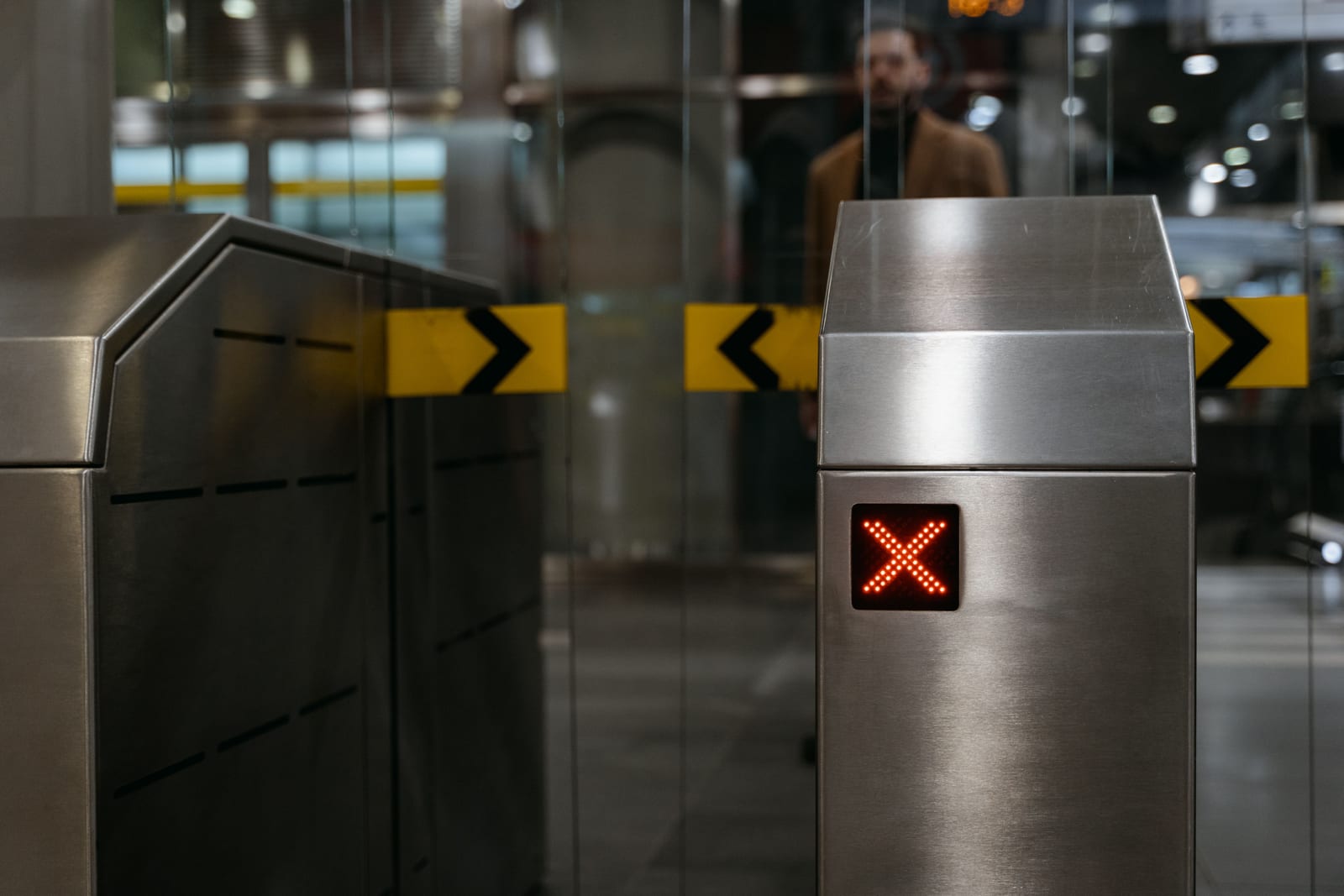
There is an old rule in procurement: nobody ever got fired for buying the biggest platform. Australia's ticketing industry would like to amend that rule, because right now the biggest platform is the one doing the firing. Ticketek Entertainment Group (TEG), the parent company of Ticketek and the closest thing the southern hemisphere has to a ticketing monolith, has begun a restructuring and cost-cutting programme after losing two of the most valuable venue contracts in the country. If you organise events for a living, this story is not really about Australia. It is about what happens when the safe choice stops being safe.
What actually happened
According to reporting first published by the Australian Financial Review and picked up by TicketNews and TheTicketingBusiness, TEG's newly installed chief executive Cameron Hoy told staff by email that the company needs to "simplify" its operating model ahead of the next financial year. In practice, that means roughly 42 roles in Australia and two in the Philippines are affected, about 5.5% of the company's workforce.
Hoy has been in the job since 1 June. He replaced Brad Banducci, the former supermarket boss whose tenure lasted barely a year, who in turn had taken over from long-serving chief Geoff Jones, now chairman. Three chief executives in quick succession at a company owned by private equity firm Silver Lake is not, by itself, a crisis. But the backdrop matters.
Last year Ticketek lost the Venues NSW contract to Ticketmaster, handing over the ticketing keys to the Sydney Cricket Ground, Accor Stadium, CommBank Stadium, Allianz Stadium and Penrith Stadium. In April, the Melbourne Park precinct (Rod Laver Arena, AAMI Park, John Cain Arena and Margaret Court Arena) went to AXS. Two contract losses, two different winners, one very uncomfortable spreadsheet at head office.
The great contract shuffle
Zoom out and TEG's bad year looks less like an isolated stumble and more like a symptom. The event and ticketing industry is in the middle of the busiest game of musical chairs it has played in decades.
| What changed hands | From | To | When |
|---|---|---|---|
| Venues NSW stadium portfolio | Ticketek | Ticketmaster | Late 2025 |
| Melbourne Park arena precinct | Ticketek | AXS | April 2026 |
| Eventbrite (the entire company) | Public markets | Bending Spoons | March 2026 |
| Saffire (fairs and festivals platform) | Independent | AudienceView | June 2026 |
Venues, rights holders and organisers are switching providers at a pace the industry simply was not built for. Incumbency used to be a moat. Now it is a renewal date.
When a venue can walk, the platform has to earn the renewal. That is new, and it is very good news for everyone who buys ticketing rather than sells it.
What this means for event organisers
First, the obvious one: big does not mean stable. TEG is a giant, and giants restructure too. If your risk assessment for choosing an event platform starts and ends with "they are the market leader, they will always be here", it is time for a rewrite. Market leaders lose contracts, change owners, change chief executives and cut teams, sometimes all in the same year.
Tired of Fee Announcements? Go Flat
eventcloud charges one subscription with no per-ticket fees, so platform news stops being budget news.
Second, ask your vendor the awkward questions before you sign, not after the account manager stops replying. Who owns the company? Has leadership changed recently? What happens to your attendee data, your event history and your integrations if the relationship ends? A platform mid-restructure is a platform re-evaluating which customers and which product lines it truly cares about, and you want to know whether you are core business or a rounding error. If you are weighing up options, a structured side-by-side comparison beats brand gravity every time.
Third, treat data portability as a feature, not a nice-to-have. The venues that left Ticketek could do so because ticketing contracts, however painful, are switchable. Your registration platform should be held to the same standard. If exporting your own attendee data feels like a hostage negotiation, that is your answer.
Watch this space
The pressure on TEG does not stop at headcount. Silver Lake bought the business in 2020 and has since seen it explored, shopped and speculated about more than once, and Australian media reports suggest the contract losses have only intensified questions about the owner's next move. Meanwhile TEG is placing bets elsewhere: a new platform model for its touring arm TEG Live, a planned Nashville office to chase country music, and fresh ticketing leadership across Asia and the UK.
That is the pattern worth watching across the whole industry. Consolidation at the top (Bending Spoons, AudienceView, Apollo's B2B events merger), churn in the middle, and a growing crowd of organisers who have realised that switching costs are lower than they have ever been. The next 12 months will tell us whether the big platforms respond with better service and honest pricing, or with longer contracts and higher exit fees. History suggests one of those is more likely, and it is not the one anyone asked for.
The bottom line
TEG will almost certainly be fine. Companies with that much market share usually are. But the era in which a ticketing giant could treat its client list as furniture is visibly ending, and every event organiser benefits from that, whether you run a 40,000 seat stadium or a 400 person conference. Platforms should compete for your business every single year. At eventcloud we think that competition should show up as flat fees, fast support and data you can take with you, because the alternative is being someone's line item in a restructure announcement.