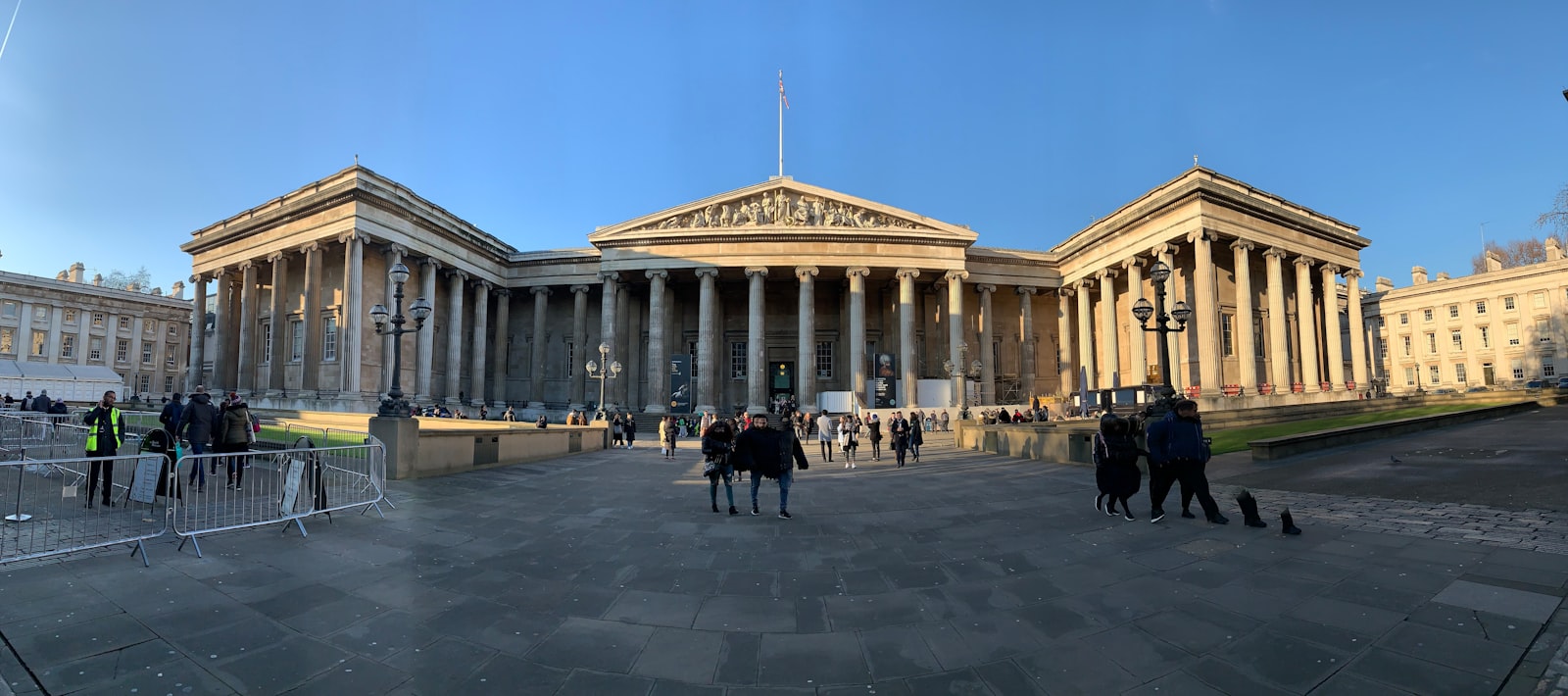
While the ticketing industry has spent 2026 arguing about AI pricing, courtroom drama and corporate restructures, the biggest box office story of the week belongs to 70 metres of medieval embroidery. On Wednesday 1 July, the British Museum opened public sales for its Bayeux Tapestry exhibition and promptly recorded the single biggest day of ticket sales in its 273 year history, according to TheTicketingBusiness. Not bad for an artwork that documents a battle from 1066 and moves at a strictly walking pace.
1066 and All That Revenue
The facts are the kind organisers dream about. The first public allocation generated more than £2.5m in a single day, as reported by The Art Newspaper. The online queue peaked at more than 80,000 people, with some visitors reporting waits of up to nine hours, and the museum's website absorbed 4.7 times its average daily traffic. Museum director Dr Nicholas Cullinan called it the biggest day for any exhibition the institution has ever held, in comments reported by the Independent.
The exhibition itself runs from September 2026 to July 2027, marking the first time the tapestry has been displayed in Britain in nearly 1,000 years. It has only left Normandy twice before: once in 1804, when Napoleon showed it off in Paris, and again in 1944. Adult tickets top out at £33, and members got priority access from 16 June before the general onsale.
| Metric | Figure |
|---|---|
| Revenue from first allocation | Over £2.5m in one day |
| Peak online queue | More than 80,000 people |
| Longest reported wait | Around nine hours |
| Website traffic on the day | 4.7 times the daily average |
| Top adult ticket price | £33 |
| Exhibition run | September 2026 to July 2027 |
No dynamic pricing, no drip fed hype campaign, no influencer partnerships. Just a genuinely once in a millennium story and a booking system that stayed standing while 80,000 people leaned on it.
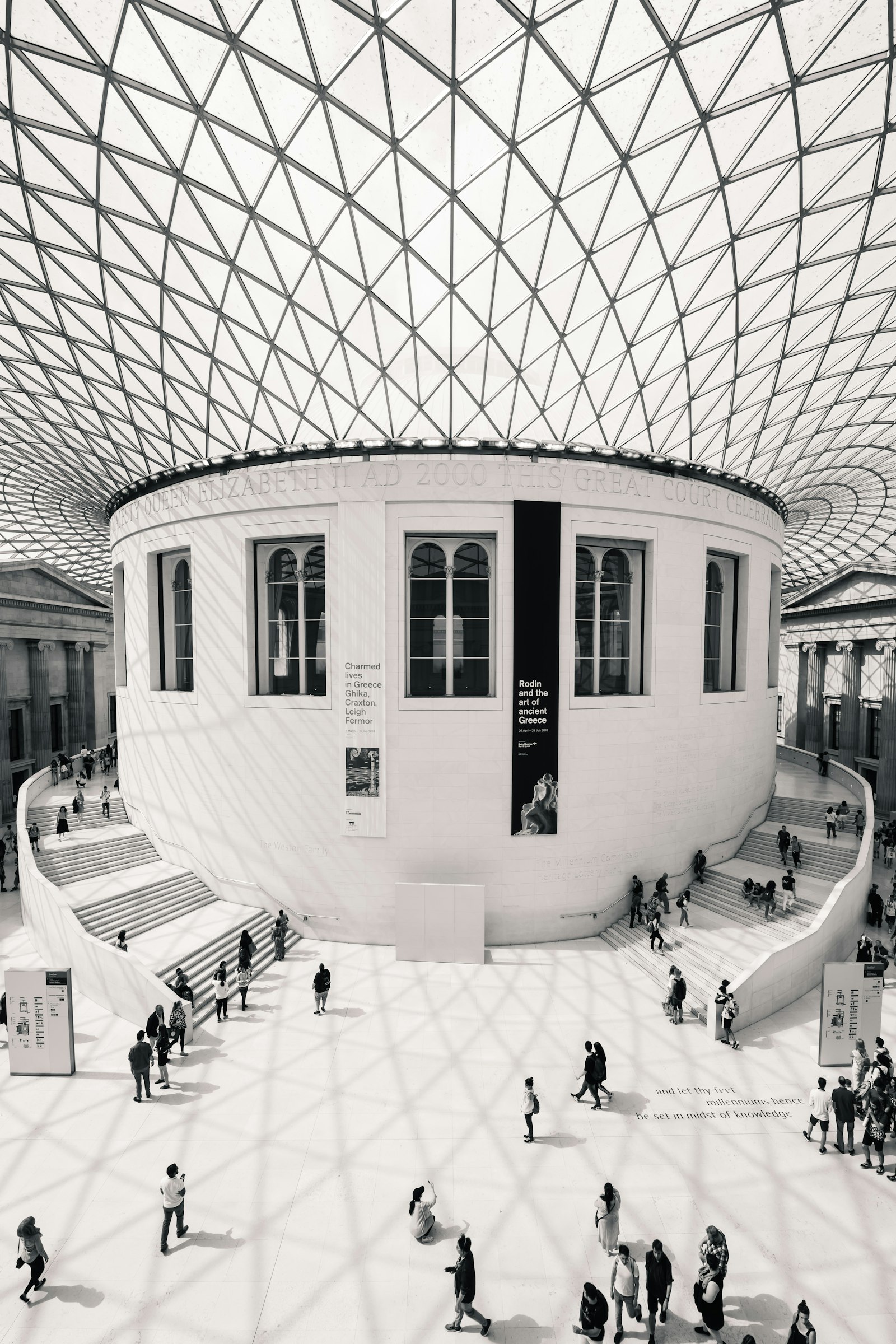
The British Museum's Great Court, soon to welcome the tapestry crowds · credit: Unsplash
What This Means for Event Organisers
The obvious lesson is that story beats spend. The British Museum did not need a marketing war chest to move £2.5m of tickets in a day. It needed a genuine reason for urgency: an artefact that has not crossed the Channel in almost a millennium, available for ten months only. If your event has real scarcity, lead with it. If it does not, no amount of countdown timers will manufacture it, and attendees can smell the difference.
The less obvious lesson is about infrastructure. An 80,000 person queue is not a failure; a crashed website is. The museum ran a virtual queue that held its shape, kept people informed, and converted patience into purchases. Compare that with the high profile onsale meltdowns of recent years and the difference is not demand, it is preparation. Every organiser should know their peak concurrency number, and what happens to the registration system when reality doubles it.
Tired of Fee Announcements? Go Flat
eventcloud charges one subscription with no per-ticket fees, so platform news stops being budget news.
Then there is the staggered release. Rather than dumping the full ten month run on sale at once, the museum released a first allocation, let it sell out, and banked two more onsales for later in the year. That turns one stampede into three manageable events, gives the press three stories instead of one, and leaves disappointed buyers with a reason to come back rather than a reason to give up. The member presale on 16 June acted as a pressure valve too, rewarding the loyal while thinning the herd before the main event.
The Blockbuster Lineage
There is history here beyond the embroidery. The British Museum effectively invented the blockbuster exhibition in 1972, when Treasures of Tutankhamun drew around 1.6 million visitors and queues that wrapped around Bloomsbury. That show defined the template every major museum still uses: a singular object with a singular story, timed tickets, and demand managed as carefully as the artefacts themselves.
Half a century later, the tooling has changed but the job has not. Timed entry, presales, virtual queues and allocation waves are event operations, plain and simple. The line between a museum exhibition and a ticketed event has all but disappeared, and the institutions doing it well are borrowing directly from the event organiser's playbook. The traffic runs both ways: conference and exhibition organisers can borrow right back.
Watch This Space
Two more allocations are coming later this year, covering visit dates from January to March and April to July 2027. Watch how the museum handles round two. Will the queue tech hold again now that everyone knows the drill? Will the £33 top price creep? And with demand this visible, the secondary market will be circling, which makes entry checks and named ticket policies the next test of the operation.
For everyone else in the events business, the takeaway is a cheerful one. In a year of gloomy surveys about costs and squeezed budgets, tens of thousands of people queued for nine hours for the privilege of buying a museum ticket. Demand for genuinely compelling live experiences is alive and well. The organisers who win are the ones whose booking systems are still standing when it shows up.