Ticketmaster has entered East Africa, rolling out its Quicket platform in Kenya and Uganda with checkout built on M-Pesa, MTN Mobile Money and Airtel Money rather than card payments. For any organiser selling across a border, the interesting part is not the map. It is the plain admission that your payment methods, not your marketing, decide who can actually complete a purchase.
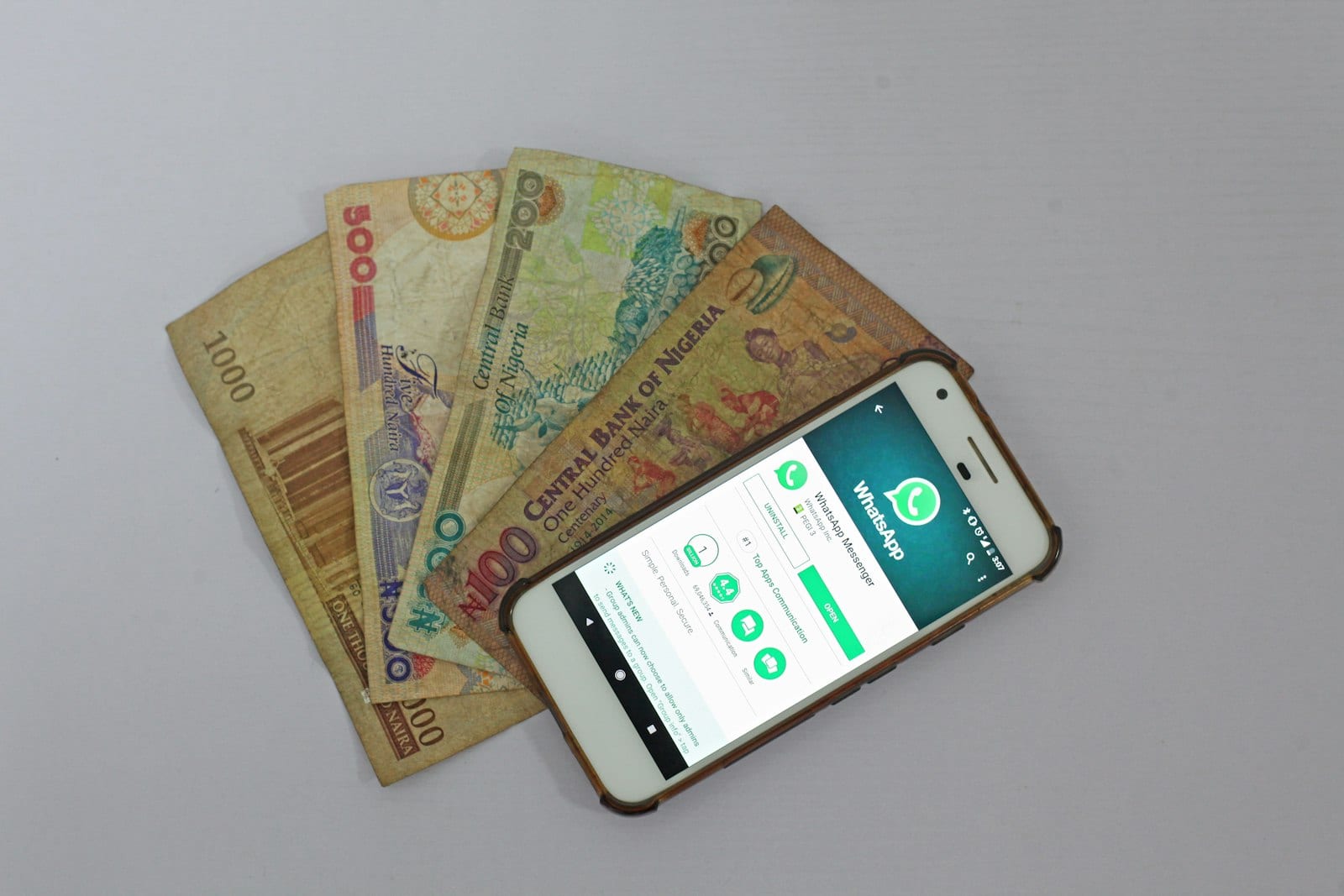
The wallet, the messaging app and the box office are increasingly the same device · credit: Benjamin Dada / Unsplash
What Ticketmaster has actually launched
Quicket, the South African headquartered pan-African ticketing operator Ticketmaster acquired in July 2024, has gone live in Kenya and Uganda. TheTicketingBusiness reported the launch on 21 August, and Music Week covered it as a long-term investment in the region's live entertainment industry rather than a flag-planting exercise.
The expansion formalises about a decade of informal work with local partners. Quicket has already signed Ugandan brands including Spinny and Friends, a popular Kampala Afro-House night, and the Masaza Cup, a regional football tournament. In Kenya it has picked up Beneath the Baobabs, the music festival held in Kilifi, and the restaurant discovery platform EatOut.
Justin Van Wyk, managing director of Ticketmaster South Africa, framed Kenya and Uganda as the opening move rather than the whole game, with more markets across the region to follow. John Masembe, business operation director at Quicket, made the demand-side case: packed Afro-fusion and Afro-House nights, festival crowds who know every word, and a young population building scenes faster than the ticketing infrastructure has kept up with.
Why the payment rails are the headline
Strip out the launch language and the substantive feature is the checkout. Quicket has integrated M-Pesa, MTN Mobile Money and Airtel Money, which is to say it accepts the way most people in those markets actually hold and move money. Fully digital ticketing also comes along for the ride, cutting counterfeit risk and speeding up entry at the gate.
This is the least glamorous and most decisive feature any ticketing platform ships. A beautifully designed event page with a card-only checkout, sold into a market where most adults transact by mobile wallet, does not have a conversion problem. It has an exclusion problem wearing a conversion problem's clothes.
A checkout that only takes cards is not a global checkout. It is a card-holder's checkout with a world map on the homepage.
Where the tickets get sold: distribution counts as a feature now
The second piece is where events appear. Quicket pushes listings out through Spotify, Google, Meta, Bandsintown and Apple Music, which means discovery happens where people already are rather than on a page they have to be persuaded to visit. Organisers get real-time audience insight back, which matters as much to sponsors as it does to marketing teams.
The company is also building WhatsApp-based ticketing, plus AI tools for finding and buying tickets. It would be easy to file WhatsApp under gimmick. That would be a mistake. In a great many markets WhatsApp is not a messaging app sitting alongside the internet, it is the practical interface to it, and moving purchase into the thread where the plan was made removes the single biggest drop-off point in the funnel: leaving the conversation.
Tired of Fee Announcements? Go Flat
eventcloud charges one subscription with no per-ticket fees, so platform news stops being budget news.
What this means for event organisers: payment processing and pricing accessibility outside your home market
Most organisers reading this are not selling festival tickets in Kampala. The transferable lesson is that every market has a payment habit that visitors from elsewhere systematically underestimate, and that habit sets a ceiling on your checkout completion that no amount of email nurture will lift.
| Buyer | Payment habit organisers routinely underestimate |
|---|---|
| Kenya and Uganda | Mobile money wallets such as M-Pesa, MTN Mobile Money and Airtel Money |
| Netherlands | iDEAL bank transfer, often preferred over cards |
| Belgium | Bancontact |
| Germany | Bank transfer and pay-on-invoice |
| Corporate delegates anywhere | Purchase orders and invoicing, because finance will not release a card |
| Mobile-first buyers everywhere | Apple Pay and Google Pay, which remove the form entirely |
That last row is the one B2B organisers lose most often. A senior delegate at a large organisation frequently cannot put a two thousand pound conference pass on a personal card and claim it back, and will not fight procurement to try. If your registration platform cannot raise an invoice against a purchase order, you have not lost a sale to a competitor. You have lost it to an expenses policy.
The context the coverage skipped: payment coverage has a cost side
Nobody's launch announcement mentions the awkward part, which is that every additional payment method carries a different processing cost, a different settlement delay and a different refund process. Mobile money, card, bank transfer and invoicing do not behave the same way on your bank statement or in your reconciliation spreadsheet, and a platform that hides those differences from you is not simplifying your life so much as deferring the surprise.
Two questions are worth asking any provider before you sign. First, which payment methods cost extra, and is that cost buried in a blended rate or itemised where you can see it? Second, when does money actually land, and who carries the float in between? An organiser paying suppliers in week one for an event in week twelve cares enormously about the answer, and the answer is very rarely on the pricing page unless somebody has made a deliberate decision to put it there.
The quiet trend underneath the announcement
Look at the last two years of ticketing expansion news and a pattern emerges. The platforms buying their way into new regions are not primarily buying audiences or venue relationships. They are buying local payment integrations and the compliance work that sits behind them, because that is the part you cannot build quickly from a head office three time zones away.
Which suggests a decent test for your own shortlist. Ask a prospective platform which payment methods it supports in every country your delegates come from. If the answer is a confident list, good. If it is "we support all major cards", you have learned something useful about how far your event can travel.