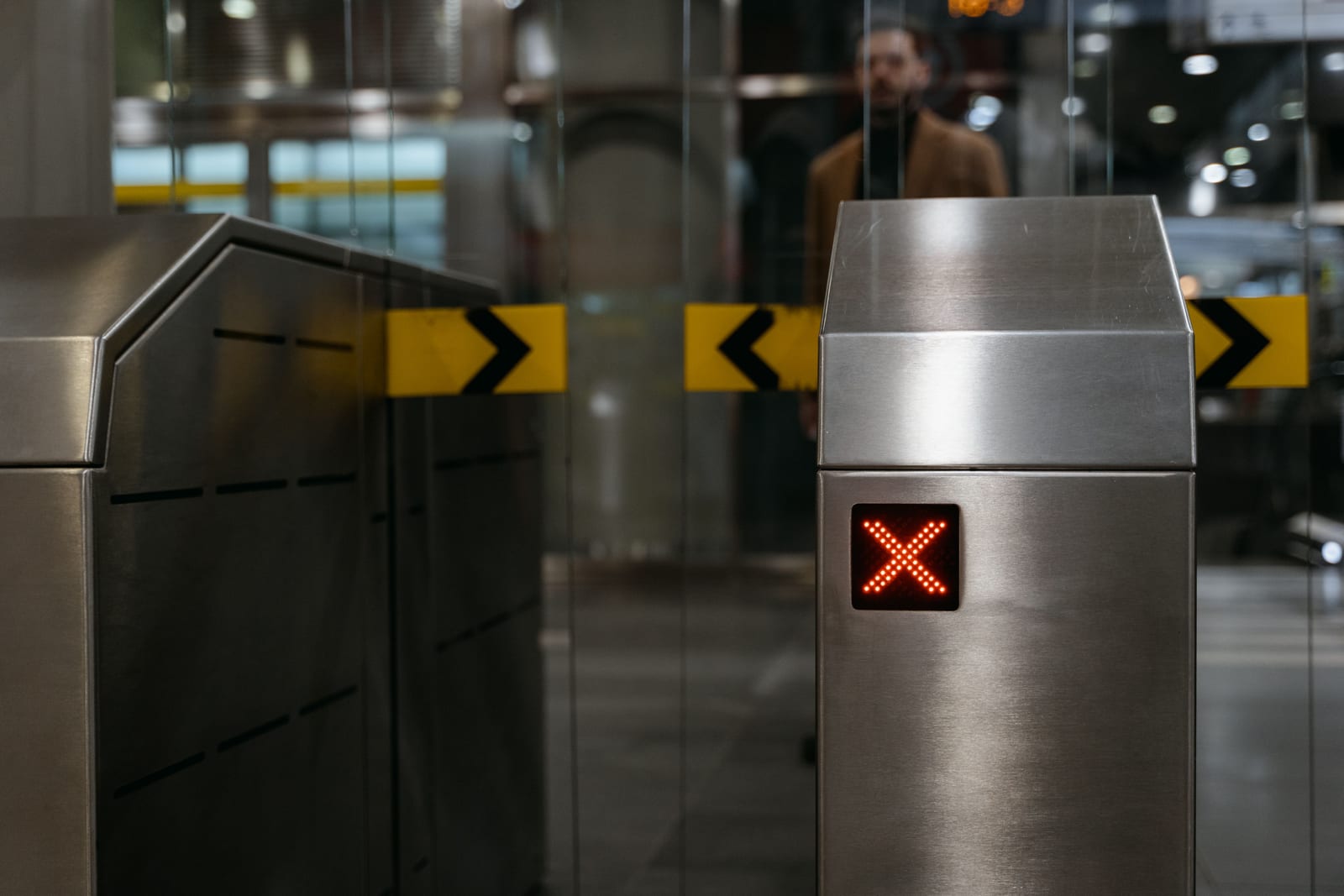
Hundreds of fans at a sold-out Freya Skye show in Milwaukee on Wednesday 30 September reached the door and got a red light. Tickets bought through Ticketmaster, StubHub and Vivid Seats all failed to scan, and the companies are now blaming each other. For organisers, the lesson is simple: the door is where every ticketing system's disagreements finally meet.
What happened at the door
According to WISN, a large crowd outside Landmark Credit Union Live in Milwaukee's Deer District watched their tickets fail to scan, with scanners showing red, until staff waved people in at around 8:45 pm. TicketNews reports that buyers from Ticketmaster, StubHub and Vivid Seats were all affected, and TMJ4 adds SeatGeek to the list of marketplaces named.
Nobody has published a headcount beyond "hundreds". CBS58 quotes one parent who drove two daughters in from La Crosse, found their tickets had never transferred, and got inside about fifteen minutes before the show without their assigned seats. The same report says it is unclear how many third-party tickets were hit. Most affected guests were eventually admitted, though some missed the openers.
Three accounts of one red light
Here is where it gets interesting, because the cause is disputed and, so far, not established. Live Nation, whose statement TMJ4 carries, says that the resale marketplaces had been notified of the artist's terms and still let scalpers sell invalid tickets. Ticketmaster's explanation, as TMJ4 relays it, is that the tour used its Face Value Exchange, which limits resale to Ticketmaster or CashorTrade.
StubHub's reply, per CBS58, is that the barcodes were not working across the board, including on tickets Ticketmaster sold directly, and that it is making every affected customer whole. It also rejected the idea that Ticketmaster is the only legitimate place to resell. Neither side has offered a technical post-mortem, so treat each account as a position rather than a finding.
A barcode is a question the scanner asks a database. When three companies each hold a different answer, the person holding the scanner gets to find out which one is right, live, in front of a queue.
What this means for event organisers
You may not run a stadium, but you run the same moving parts at smaller scale: a ticket sold somewhere, a code issued somewhere, a scanner checking against somewhere else. The check-in questions that decide whether your doors run smoothly are the ones buyers never see, namely setup and ease of use, reliability when something goes wrong, and whether the system holds when the whole crowd arrives at once.
Know where the truth lives. Ask which system your scanners check, and whether every ticket that can legitimately reach a buyer is known to it. The more channels in the chain, the more places a code can be reissued, delayed or voided without the door finding out.
Tired of Fee Announcements? Go Flat
eventcloud charges one subscription with no per-ticket fees, so platform news stops being budget news.
Plan the failure, not just the scan. A name search, a held-back queue lane for problems and a named person with authority to wave people through are cheap. Doing this on the night, with a crowd building, is expensive. Tickets that never arrive are a different failure from tickets that arrive and are rejected, and your door team should be able to tell which they are looking at.
Test with real tickets, early. Scan a few tickets from every channel you sell through before doors, not only the ones you issued yourself. A clean test on your own codes proves nothing about a code that took a detour.
Decide your compensation line before you need it. StubHub moved quickly to say it would make customers whole. Your attendees will expect the same from you, so have the refund and make-good policy written down before the red light appears.
The context the reports did not cover
Door failures at sold-out events are not new, and resale has made them harder to diagnose, not easier. Once a ticket can be transferred, sold on and reissued, the same seat can have several legitimate-looking codes in circulation and only one that is currently valid. Every hand-off is a place where the record at the door and the record in the buyer's wallet can drift apart. Promoters are already experimenting with the other end of the problem: our piece on registration-only onsales shows one way to know who holds a ticket before the queue even opens.
The Milwaukee story is also a reminder that the cost of a bad night is never just the refund. It is the fan who drove two hours, the headline, and the quiet reluctance to buy next time. That is a business model problem for resale platforms, and a reputational one for whoever's name is on the poster.
Where eventcloud fits
eventcloud is built for in-person conferences, trade shows and corporate events, so it is a different animal from a stadium resale chain. Tickets are sold through your own checkout and the QR check-in runs in the browser on any phone camera, with staff PINs and live counts of who has arrived. Registrations are unlimited on a flat per-user subscription, so a bigger crowd never changes the bill.
The honest edge: eventcloud is a cloud platform and needs a network connection at the venue. It has no offline mode, so if your site has poor signal, plan for that before doors, not at them. It is also not a resale marketplace and does not do virtual or hybrid events.