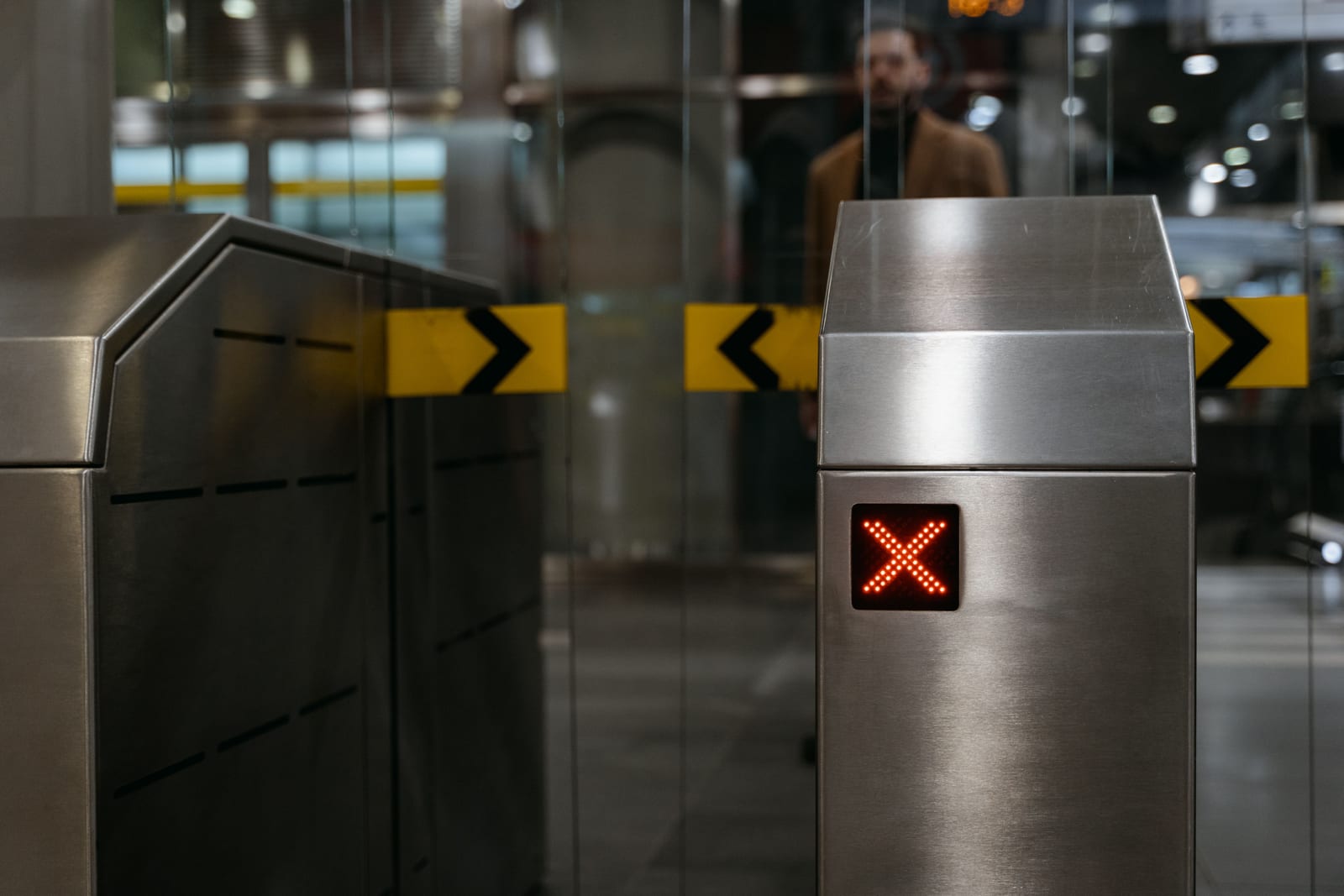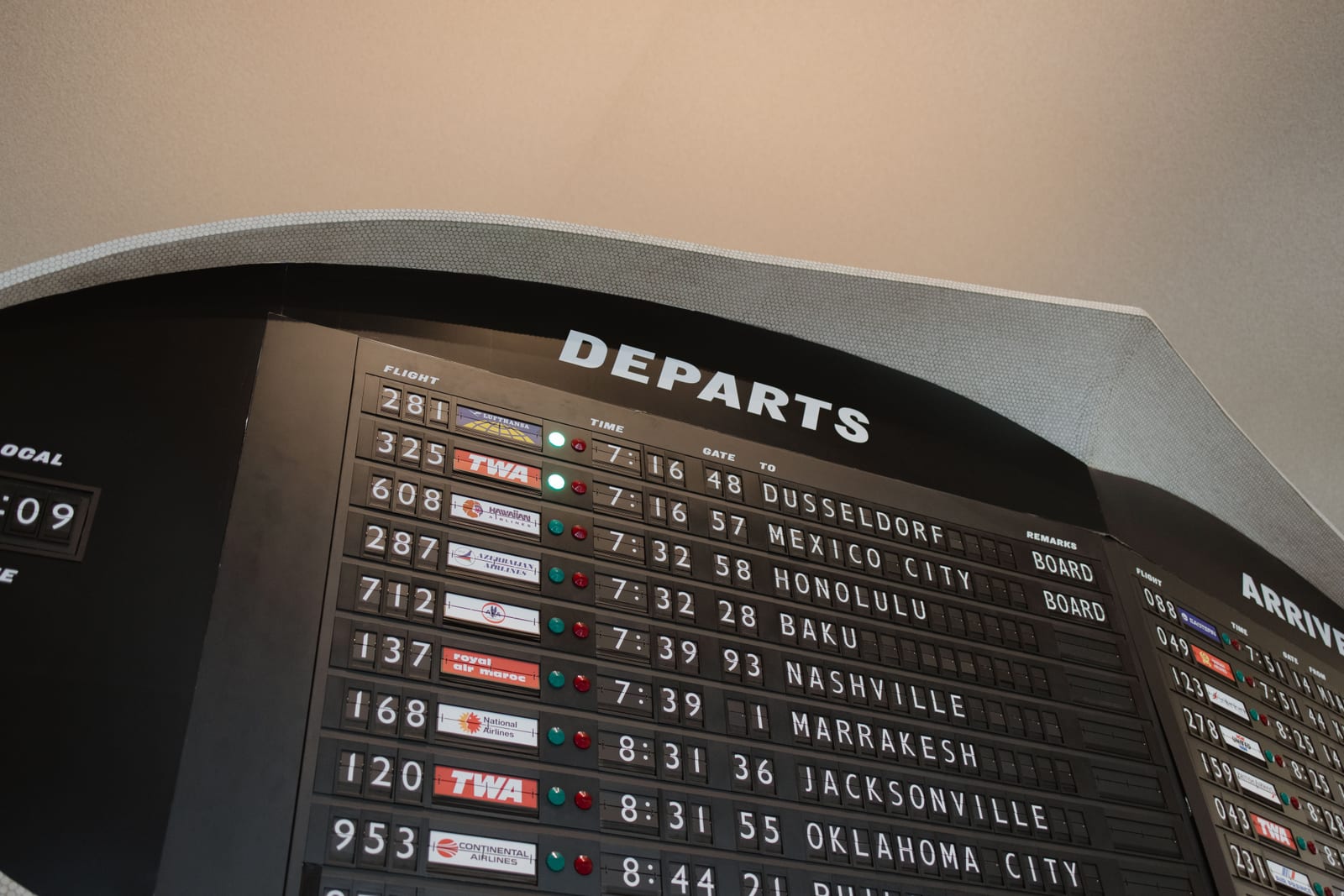
An event organiser has paid $12,000 for a contract that returns $3 million if more than half the flights due into New York's JFK are cancelled on 21 October, the day before its summit opens. It is being billed as the first conference ever hedged on a prediction market, and the hole it plugs is one most event insurance quietly leaves open.
The buyer is NEXTPredict, a media and conference business that has run more than 800 events over 13 years. The trade went through Kalshi, the regulated exchange, with quantitative trading firm Susquehanna taking the other side. TSNN put the numbers and the reasoning on the record on 20 August, after the deal was announced in late July.
What exactly did they buy?
A binary contract, not a policy. If the trigger is hit, it pays. If it is not, the $12,000 evaporates and everyone gets on with their conference.
| Detail | Figure |
|---|---|
| Premium paid | $12,000 |
| Maximum payout | $3,000,000 |
| Premium as share of cover | Roughly 0.4% |
| Trigger | Over 50% of scheduled JFK flights cancelled on 21 October 2026 |
| Event covered | NEXTPredict Summit, 22-23 October, Convene Hudson Yards, New York |
| Counterparty | Susquehanna, via Kalshi |
Why ordinary event insurance would not have paid a penny
Cancellation cover does what the name says: it responds when you cancel. The scenario that actually frightens organisers is the opposite one. The show goes ahead, the venue invoice arrives in full, the caterer counts the covers they prepped, and 40% of the room never made it out of an airport.
NEXTPredict has already lived a smaller version. Middle East airspace disruption in March meant roughly 100 registrants could not travel to its New York event, which Lindh put at about $100,000 in ticket exposure plus a further $100,000 in sponsorship exposure. Absorbable. A disruption five times that size would not have been.
The expensive disaster is not the conference that gets cancelled. It is the one that goes ahead in a half empty room while every invoice stays exactly the same size.
What this means for event organisers weighing pricing and cost structure
Strip away the novelty and this is a cash flow story. Events are brutally front loaded: venue deposits, AV, staging, freight and staffing are committed months out, while nearly all the revenue lands across 48 hours. Anything that damages attendance without formally killing the event lands squarely in the uninsured middle.
If you want to test the idea against your own programme, the sequence is unglamorous:
Put a number on the exposure. Not a feeling, a figure: refunds, sponsor make-goods, committed supplier spend.
Read your existing policy and work out precisely which of those lines it pays.
Find a trigger that a neutral third party publishes and that nobody involved can influence.
Price the hedge against the gap, not against the whole budget.
That last discipline, checking what a percentage actually costs you rather than how small it looks on a slide, is the same one worth applying to every recurring cost in the stack. A registration fee expressed as a modest percentage plus a per ticket amount stops looking modest somewhere around the four thousandth registration, which is exactly why flat fee pricing exists.
Tired of Fee Announcements? Go Flat
eventcloud charges one subscription with no per-ticket fees, so platform news stops being budget news.
The 49% problem
Here is the flaw the organiser named himself, to his credit. If 49% of JFK flights are cancelled, the contract pays nothing while the conference is still wrecked. Risk managers call that basis risk: your trigger and your actual pain are correlated but not identical.
The exclusions matter too. Kalshi's resolution rules carve out disruptions that people cause on purpose, including sabotage, bomb threats and malicious cyber incidents. Drone interference is out as well, which is not a hypothetical worry for anyone who remembers UK airports grinding to a halt over exactly that. The contract also settles on airport wide cancellations rather than on whether any NEXTPredict attendee actually flew, which is deliberate: it removes any incentive for a participant to influence the outcome.
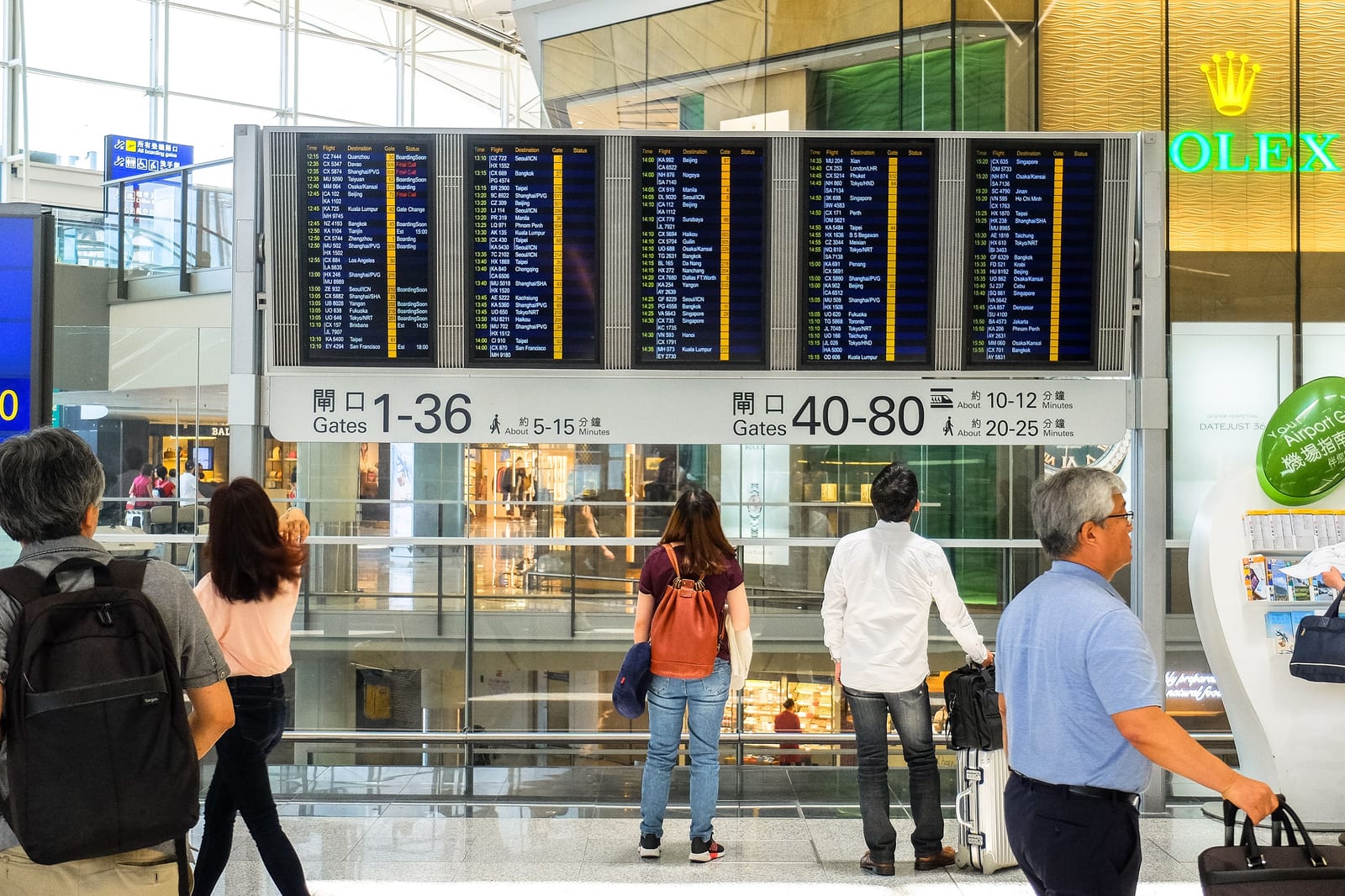
Airport wide cancellation data is the trigger, not whether your delegates actually flew · credit: AirTeo | Air Travel / Pexels
The context the press releases left out
Kalshi only self certified these flight cancellation contracts with the Commodity Futures Trading Commission on 14 July, so the instrument is about six weeks old. Fortune reported that access was initially meant to be restricted to institutional participants, a caution that makes sense given the obvious moral hazard of letting anyone bet on planes not flying.
The market's own verdict is worth reading. The Yes side has traded at roughly 2.8 to 2.9 cents, implying somewhere near a 3% chance of the threshold being reached. Susquehanna is not nervous. And as Gaming America pointed out, almost the entire volume in the market is the single NEXTPredict trade, with a few tens of thousands of dollars from everyone else combined. There is also the small matter of NEXTPredict being, itself, a prediction markets conference, which makes this simultaneously a hedge and an extremely on brand piece of marketing.
Nor was the market uncontested. FlightAware, whose data underpins it, took legal action against Kalshi and then dropped the case in August, with the market left open for trading. Anyone considering this route should note that the data source is a live commercial question, not settled plumbing.
Would it work for your event?
The honest answer is: probably not yet, and that is fine. This suits events with a genuinely international audience, a concentrated travel window, heavy committed spend and a risk that a neutral party measures and publishes. A regional user conference where 80% of delegates drive in does not qualify. Neither does anything whose main risk is a soft market or a weak speaker line up, because no exchange will write a contract on your programme being boring.
What is genuinely new is the framing. For years the industry's answer to external risk was force majeure clauses and hope. Someone has now put a price on a specific, measurable catastrophe and paid it. Whether or not the instrument catches on, the exercise that produced it, quantifying exposure line by line and finding out exactly what your existing cover does and does not do, is free. Most organisers have never done it. This October, one of them will find out whether $12,000 was money well burned.