Melbourne Victory confirmed on 24 August that AXS will run ticketing for every home fixture from the 2026/27 season, replacing Ticketek. The club is the last piece of a precinct-wide switch at Melbourne Park that was announced in April and began with a tender back in July 2025. If you have ever wondered how long a ticketing migration actually takes, there is your answer: about thirteen months, and counting.
Which is worth knowing before you sign anything, because most switching decisions are made on a fee comparison and executed on a timeline nobody costed.
What was announced, and what it covers
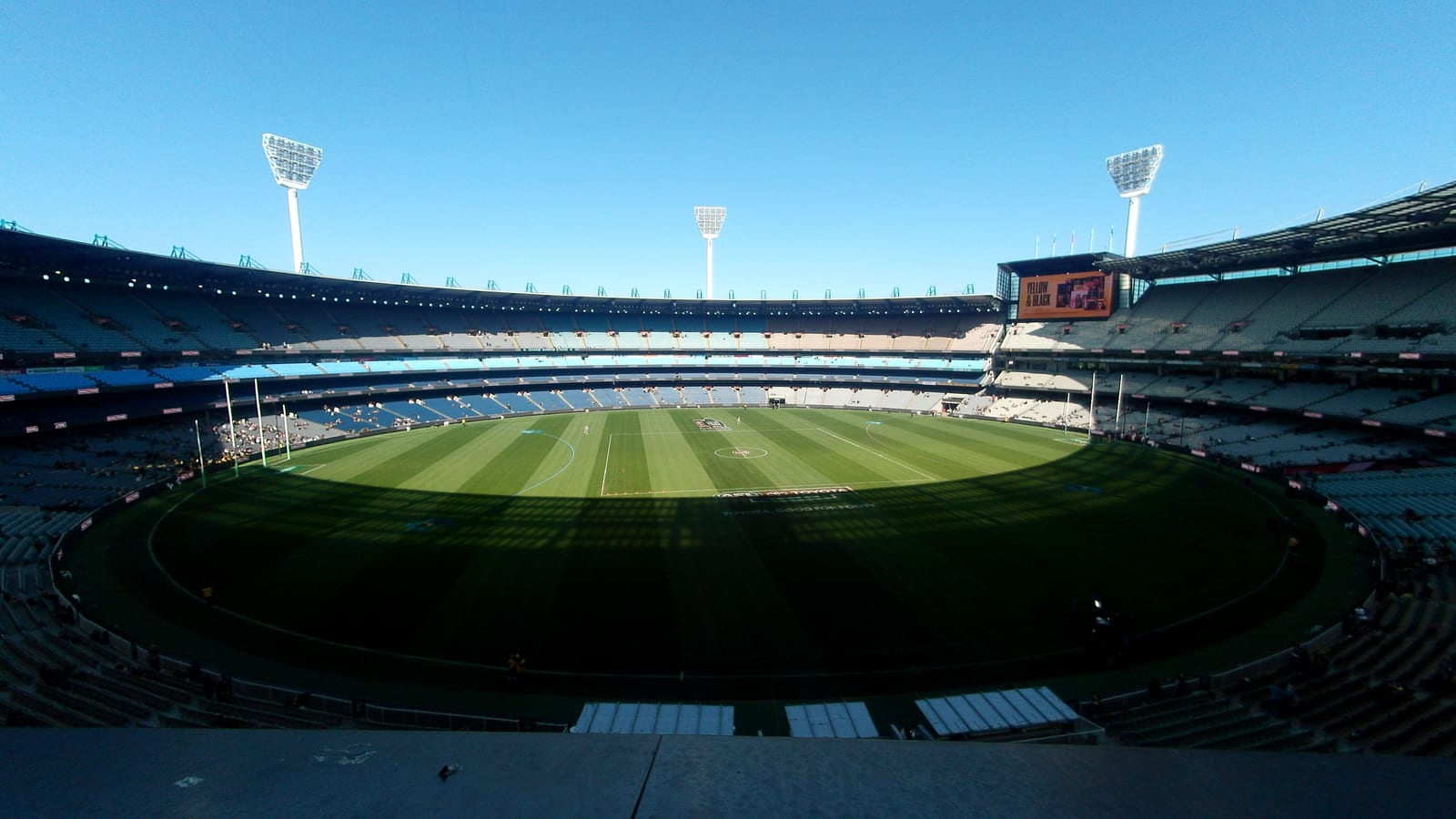
The club confirmed that AXS will handle all of its Isuzu UTE A-League Men and Ninja A-League Women home fixtures, covering matches at AAMI Park and extending to the women's fixtures at the Home of the Matildas. General public tickets for the new season go on sale through AXS on Tuesday 1 September at 9am local time.
That follows the Melbourne and Olympic Parks Trust appointing AXS as the precinct's ticketing provider in April, displacing long-time incumbent Ticketek across the year-round calendar. TicketNews reported that the agreement spans Rod Laver Arena, AAMI Park, John Cain Arena and Margaret Court Arena, and that the Australian Open sits outside the deal entirely. Melbourne Park chief executive John Harnden framed the appointment around the fan purchasing journey. AXS, owned by AEG, brings its Mobile ID digital ticketing to the precinct and adds it to a client list that already includes The O2, Crypto.com Arena and the LA28 Games.
Why this took thirteen months rather than thirteen weeks
The public timeline is unusually legible for a ticketing deal, so it is worth laying out.
| Stage | When | Elapsed |
|---|---|---|
| Expressions of interest opened for ticketing services | July 2025 | Month 0 |
| AXS named as precinct ticketing provider | April 2026 | Month 9 |
| Melbourne Victory confirmed on the new platform | August 2026 | Month 13 |
| First public on-sale under AXS | 1 September 2026 | Month 14 |
Nine months from tender to award. Another four from award to the first club going live. And that is for a well-resourced precinct with professional procurement, a hard deadline in the form of a season start, and a supplier who has done this in dozens of markets. The technology was never the slow part.
What this means for event organisers: ticketing fees, organiser reputation and the real cost of a switch
Switching platforms is sold as a fee decision. It is really three decisions, and only one of them shows up on the quote.
The fee decision. This is the easy one, and it is the one everybody does. Compare the per-ticket rate, the payment processing rate, the platform fee, whichever add-ons are billed separately, and work out the difference in cash across a full year of events rather than on a single hypothetical ticket. Anyone can run that comparison in an afternoon, and if you want a starting point, our pricing is deliberately published rather than quoted.
The data decision. Whoever holds your ticketing platform holds your buyer history: repeat rates, lapsed members, accessibility requirements, seating preferences, companion bookings. Migrating that cleanly is not a data export, it is a mapping exercise, and the fields that break are always the human ones. Accessible seating and companion arrangements are the classic casualties, because they are recorded as notes in one system and as structured entitlements in another.
Tired of Fee Announcements? Go Flat
eventcloud charges one subscription with no per-ticket fees, so platform news stops being budget news.
The technology migrates in a weekend. The customer relationships take a season, and the ones that break loudest are the accessibility bookings you forgot were stored as free text.
The reputation decision. Your buyers do not experience a procurement outcome. They experience a new login, an unfamiliar app, a season ticket that has to be reclaimed and a queue on the morning of the on-sale. Every one of those is a moment where a loyal customer can decide the whole thing has become too much effort. Melbourne Victory has told members that further guidance is coming ahead of the first home games, which is the correct instinct: over-communicate, early, in plain language, and repeat it.
The bit the coverage skipped: this is a market shift, not a single lost account
Read the Melbourne story on its own and it looks like one precinct changing suppliers. Put it next to what has happened in Sydney and it looks like something larger.
In October 2025, Ticketmaster signed a seven-year deal with Venues NSW, unifying ticketing across the Sydney Cricket Ground, Allianz Stadium, Accor Stadium and CommBank Stadium, with the rebuilt Penrith Stadium to follow. Austadiums described it as a landmark agreement covering eight venues. Ticketek held those relationships for years.
So within roughly ten months, the incumbent lost the two largest stadium precincts in the country to two different challengers. That is not a procurement accident. It is what happens when venues start treating ticketing as infrastructure they control rather than a service they outsource and forget, and it is a fair signal to anyone running a smaller event that long-standing supplier relationships are considerably more contestable than they used to feel.
Before you start your own migration
Three questions worth answering on paper before the first vendor call. Where does your buyer data live and in what format can you get it out. Who owns the communication plan to your existing ticket holders and what does it say. And what is the last safe date to cut over before your next on-sale, working backwards from the on-sale rather than forwards from today.
Get those three right and the platform choice becomes the straightforward part. Get them wrong and you will discover, as many organisers have, that the cheapest ticketing platform is the one you did not have to migrate to twice. If you are running that comparison now, our comparison pages lay out how the flat-fee model stacks up against the percentage-based incumbents.
Melbourne Victory's on-sale lands on 1 September. Thirteen months of work, one morning to find out whether it held.