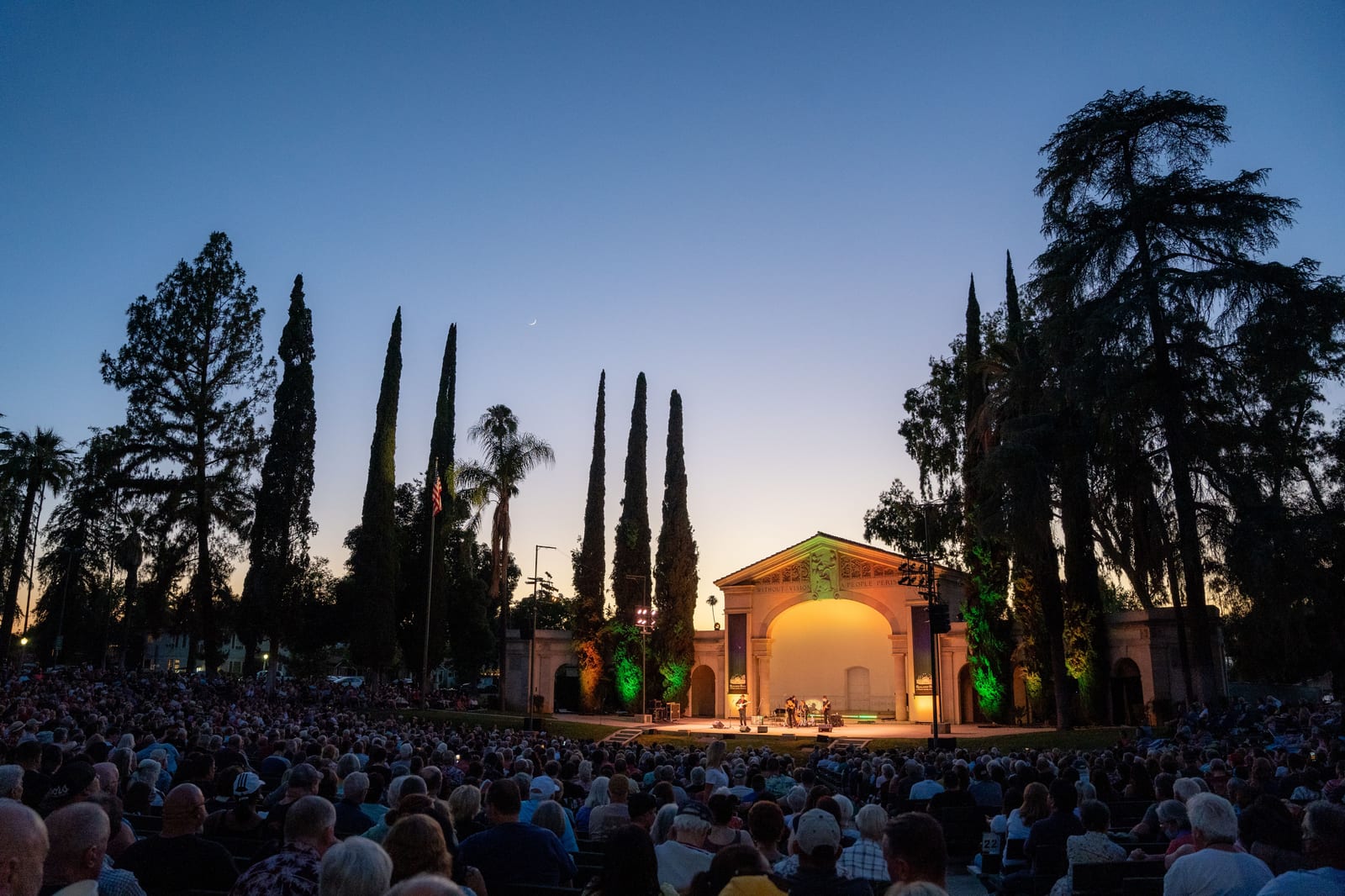
Up to 20 UK festivals with a capacity of 2,500 or less can get a fully funded year-long Association of Independent Festivals membership plus a promotional package from Skiddle worth up to £5,000. Applications opened on Thursday 27 August and close at 23:59 on Thursday 17 September. Festivals must be entering at least their second year.
That is the whole offer, stated plainly, because the deadline is three weeks away and most of the coverage buried the date under the quotes. If you run a micro festival, stop reading here and go and look at the form. Everything below is the context.
What the bursary actually contains
This is the second year of the scheme. Skiddle and the AIF ran it once before and are repeating it, which is a better signal than any launch press release, since pilots that do not work quietly fail to return.
Two things are on the table. The first is the AIF membership itself: access to the association's network, industry guidance, legal and professional support, webinars and its wider member resources. John Rostron, the AIF's chief executive, put the value in the network rather than the paperwork, describing nearly 200 festival organisers who share, borrow, ask and help each other, and making the fair point that paying for membership of something unknown is a hard ask for a small operator. That is the honest case for a bursary: it removes the risk from a decision that is cheap for a big festival and genuinely difficult for a small one.
The second is marketing. Recipients get a package tailored to the festival, which Event Industry News reports may include editorial coverage, paid media and a spotlight in Skiddle's own festival guide. Festival Insights carries the same £5,000 ceiling and the same tailoring caveat, which is worth noticing: "up to" and "tailored" are doing work in that sentence, and the actual mix is decided after you are selected, not before you apply.
Why a ticketing platform pays for this
Nobody should be scandalised that a commercial ticketing platform funds a scheme that puts it in front of twenty growing festivals. That is what marketing budgets are for, and it is a more useful thing to spend one on than another banner ad. But it is worth understanding the mechanism rather than filing it under generosity, because understanding the mechanism is how you evaluate the next offer like it.
A platform that earns a percentage of every ticket has its revenue tied directly to the growth of the events on it. Helping twenty small festivals become slightly less small is therefore not charity and not cynicism. It is the single highest-return marketing spend available to that business model, and everyone in the transaction can be perfectly happy about it.
Read any offer attached to a sales channel the way you would read a venue contract. Not suspiciously. Just properly, and all the way to the end.
Which is the one piece of advice worth adding: before you accept anything from any platform, read the conditions attached to the money rather than the description of the money. Ask what is expected in return, for how long, and what happens at the end of the twelve months. Ask it politely, get it in writing, and then decide. A good scheme survives that question easily.
Tired of Fee Announcements? Go Flat
eventcloud charges one subscription with no per-ticket fees, so platform news stops being budget news.
What this means for event organisers
The wider picture is why this matters beyond the twenty winners. The AIF spent this summer calling for government intervention as UK festival cancellations mounted, and the economics at the bottom of the market have not improved since. A 2,500-capacity festival operates on a margin that a single wet weekend can erase. It has no procurement department, no legal retainer and usually no marketing hire, which is precisely the gap a trade body membership fills.
For organisers outside the festival world, there is a transferable lesson in the eligibility line. The scheme is aimed at events in their second year or later, not first-timers. That is not snobbery. It is a recognition that the survival problem in live events is rarely the launch. It is year two, three and four, when the novelty budget has gone, the founder is exhausted and the costs have all gone up.
The cost line that most often surprises people at that stage is the one that scales with success. Venue hire, staffing and insurance all rise in steps you can see coming. A per-ticket platform fee rises smoothly and invisibly, in direct proportion to the thing you spent all year trying to achieve. Sell 40% more tickets and you pay 40% more for the software that sold them, having done all of the extra work yourself.
The line that should not move
This is where we have an interest, so treat it as a disclosed opinion rather than neutral reporting. eventcloud charges a flat subscription per user, with unlimited events and unlimited tickets underneath it, and takes nothing per ticket. The point is not that this is cheap. For one small festival a year it is very likely the wrong shape, and a per-ticket platform with a charity or small-organiser rate will cost you less. The point is that the number is knowable in advance and stays where you left it, which is a different property from being low.
Be clear about the edges too. It is per user, so a bigger team costs more. eventcloud does not do virtual or hybrid events, so a festival built around a streamed stage wants something else. And there is no small-organiser discount, so a 2,500-capacity festival pays the same seat price as a corporate team, which is exactly the sort of thing an AIF membership is useful for arguing about.
If you are running a community or charitable event and want the honest version of what any of this costs, our charities page lays it out, and the full price list sits on the pricing page. But today the more useful link is the application form, and the more useful number is 17 September.