The short version of how to prevent ticket fraud at events: give every ticket a unique, server-validated QR code, scan it against one central system that marks it used the instant it goes through, and set order rules that stop the same ticket quietly landing in twenty inboxes. Do that and a screenshotted, forwarded or photocopied ticket simply beeps red at the door. Everything after this paragraph is detail, but that is the whole trick. No bouncer with a magnifying glass and a law degree required.
It matters more than it used to. Roughly five million people buy fake tickets every year, and a May 2026 survey found one in four buyers of unofficial tickets received a fake, with 44% saying the dodgy seller looked completely legitimate. Reported ticket fraud has jumped by around 38% in two years. Most of that is buyers being scammed before they reach you, but the bit you control, who actually gets through your door, is very much your problem to solve.
Why duplicate entries happen in the first place
Here is the uncomfortable truth: most duplicate entries at ordinary events are not master criminals. They are your own attendees. Someone screenshots their ticket and forwards it to a mate "just in case". A parent buys four tickets and everyone waves the same PDF. A code gets posted in a group chat. No malice, just a system that never told anyone the ticket was single-use, and never checked.
Then there is the genuinely fraudulent end: counterfeit tickets sold outside, screenshots resold, and bot-bought inventory flipped online. Over 80% of traffic on some ticketing sites is automated bots, and a big chunk of that is scalping software snapping up inventory in seconds. Whether the cause is a helpful mum or a hardened tout, the fix at the door is the same: make every ticket provably unique and checkable in real time.
The one rule that stops most fraud: unique, single-use codes
Every ticket should carry a unique code tied to one order and one attendee record. When it is scanned, the platform checks three things in about two seconds: is this a real code, is it valid, and has it already been used? If it passes, the door lets them in and the code is marked used. Present the same code a second time, from a screenshot, a photocopy or a forward, and it now reads as already scanned. One scan, one entry.
This is exactly how QR tickets are meant to work, and if you want the mechanics in plain English we have a whole explainer on how QR code tickets work. The point for fraud prevention is that the validity lives on the server, not in the image. The pretty square on the phone is just a pointer. Copy the pointer all you like; the record it points to can only be spent once.
Static versus dynamic codes: why a screenshot beats a static ticket
Not all QR codes are equal, and this is where a lot of DIY setups quietly fall over.
| Ticket format | Fraud risk | Why |
|---|---|---|
| Static QR or barcode as a fixed image | High | Every screenshot scans as valid and nothing records that it was used |
| Plain PDF with no door scanning | Very high | Nobody actually checks; it runs on the honour system |
| Unique server-validated QR, single-use | Low | First scan marks it used, so copies are rejected on sight |
| Unique QR plus a name check on high-value tickets | Very low | Adds identity on top of validity for VIP and reserved seats |
A static code generated by a free tool and pasted onto a ticket cannot be marked used, cannot be tracked, and cannot tell two scans apart. So the first person through and the five friends they forwarded it to all scan green. A dynamic, server-backed code records every scan and flips to used after the first valid one. If you take one thing from this article, take this: a screenshot only beats you when your code has no memory.
Scan against one central system, not five phones with five lists
Unique codes achieve nothing if lane two does not know what lane one just scanned. The classic festival-gate failure is several doors each running their own offline list; a ticket gets used at the north gate, the holder strolls round to the south gate, and it works again because those two devices never spoke.
What Would Zero Booking Fees Save You?
eventcloud charges a flat subscription, not a cut of every ticket. Compare it with what your current platform takes.
The fix is a single live count that every scanner reads from and writes to. Ten phones, one source of truth. A code burned at any door is instantly burned at all of them. This is the same live-inventory backbone that stops you overselling in real time, and it is why "any phone can scan, all phones share one brain" beats "buy expensive hardware" every time. If your venue wifi is dramatic, look for a check-in app that caches the list locally on each device and syncs on reconnect, so a signal blackout does not reopen every ticket.

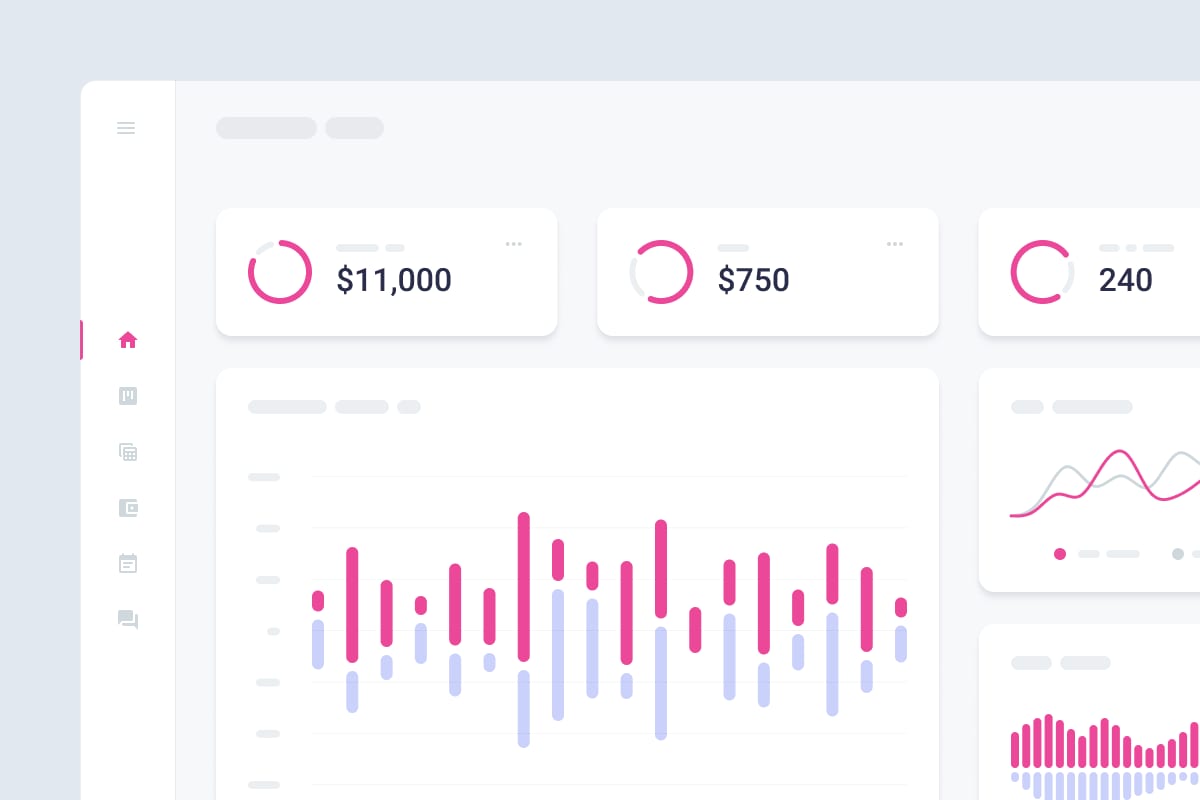
One live count, every scanner reading from it. The dashboard is where a reused code goes to get caught. Credit: Lukas Blazek / Unsplash
A screenshot only beats you when your code has no memory. Give it one, and the copies queue up to be turned away.
Order rules that stop fraud before anyone reaches the door
Door scanning is your last line. The cheaper defences run earlier, at checkout, and they cost nothing but a few settings:
One order per email, and sensible purchase limits. Capping tickets per transaction and per email address blunts both bulk resale and the accidental "I bought forty for the office" pile-up.
Names on tickets for higher-value events. For galas, conferences and reserved seating, attaching a name to each ticket lets staff do a quick identity check on the few tickets where it matters.
Seat holds during checkout. Holding the seat while payment completes stops two buyers racing for the same reserved seat and stops the "oversold the front row twice" scramble.
A recognisable billing descriptor and instant confirmation. When the charge and the confirmation email are obviously from your event, buyers are far less likely to panic-claim fraud later, which quietly cuts your chargeback headaches too.
Tell attendees, in the confirmation email, that tickets are valid for a single entry and that a forwarded screenshot will not get a second person in. Most duplicate attempts are innocent, and a one-line warning heads them off before they become a queue argument.
A door plan for the awkward cases
Technology handles the honest majority. Your run of show handles the rest. Keep a name and email search as a non-QR fallback for the attendee whose battery died or whose email never arrived, so you are not turning away real guests to look tough. Watch the live dashboard for a code that gets rejected as already used and flag it for a human, rather than a red beep and a shrug. And brief your team on the difference between "this is a duplicate, let me check the original order" and "this is clearly a counterfeit from the bloke outside", because those get very different responses. If you are moving big numbers, our guide to checking in a thousand attendees on phones covers the lane maths.
What you actually need, and when you honestly do not
Let us be fair about scale. A free thirty-person community raffle where everyone knows each other does not need server-validated codes and a scanning rig. A clipboard and a friendly face is fine, and pretending otherwise would be daft. The fraud maths only tips over when tickets have real monetary value, when strangers are buying, or when your capacity is genuinely capped by a fire marshal rather than by vibes.
Once you are past that line, the criteria are simple and worth checking on any platform before you commit: unique server-validated codes as standard, genuine single-use enforcement, one shared live count across every scanner, offline tolerance on the device, and per-order rules you can actually configure. A flat-fee platform such as eventcloud bundles unique QR tickets, any-phone single-use scanning against one live count and on-the-spot badge or ticket issue into the base per-user price, so fraud prevention is not an add-on you discover later. Whichever tool you pick, judge it against those five things, not against the marketing.
Ticket fraud sounds like a heist. In practice it is mostly copies of copies, and copies lose the moment your codes remember being scanned. Give every ticket a unique code, scan against one brain, and set your order rules, and the fakes sort themselves out at the door. If you want to see how single-use scanning and live check-in fit together, take a look at how eventcloud handles registration and check-in.