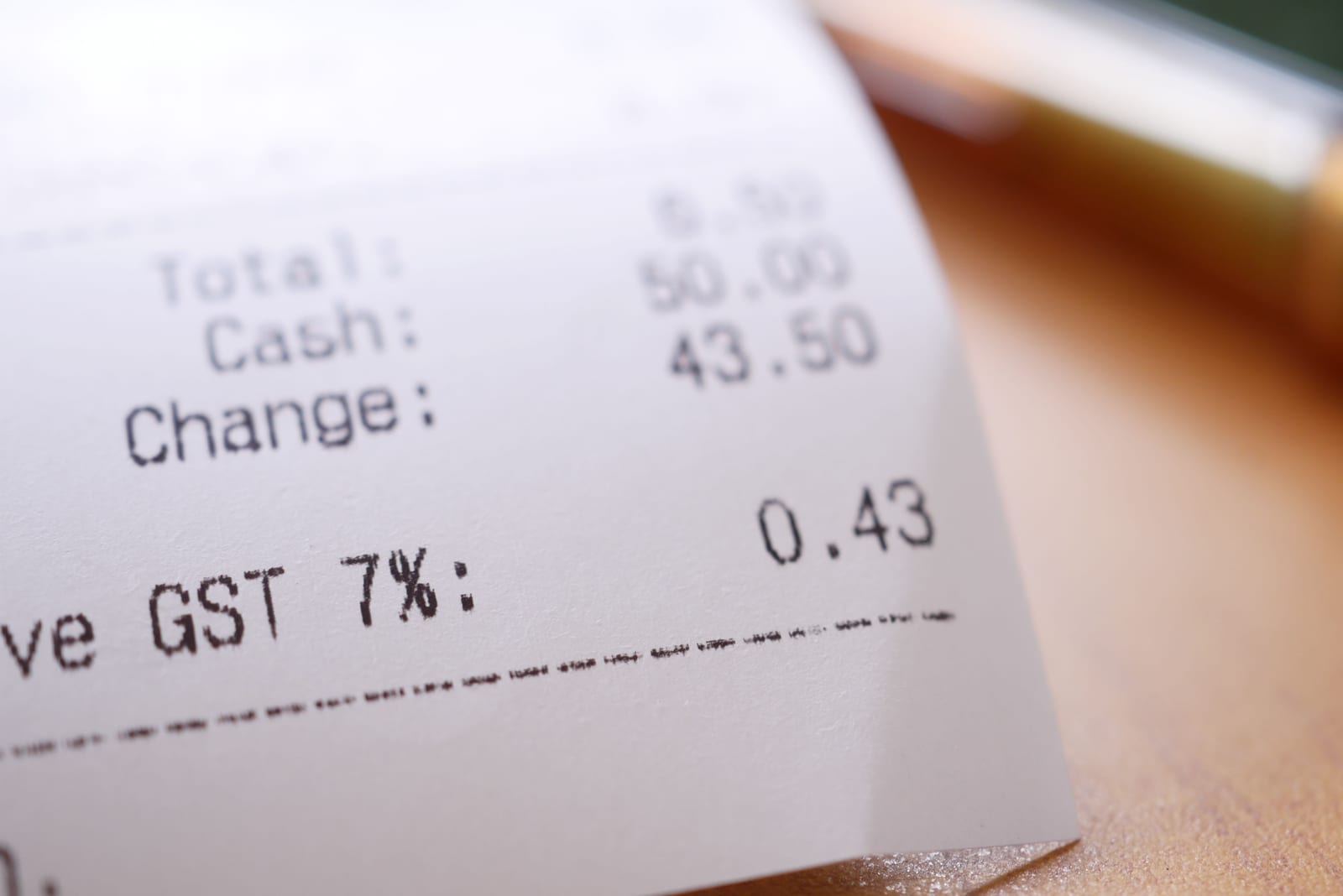
Publish one all-in number and make it the number the buyer actually pays. Ontario now measures its resale ceiling against the total price paid in the original transaction, fees and taxes included. Quebec measures against the price announced by the authorised seller. Vermont caps resale at 110% of face value. Three laws, one instruction: your checkout's final number is the number that counts.
What does "face value" actually mean now?
For most of ticketing history, face value meant the number printed on the ticket, and everything bolted on afterwards was somebody else's problem. That definition has been quietly dismantled during 2026, and organisers who still think of face value as "the price before fees" are working from a dead concept.
Ontario went furthest. Bill 97 expressly repealed the Ticket Sales Act's definition of face value and replaced it with something transaction-specific: a ticket cannot be resold above the total original cost paid to the primary seller, including service fees and taxes. There is no longer one canonical price for a whole row or price band. Two people sitting side by side can have two different legal resale ceilings because they bought on two different days at two different dynamic prices. The rules took effect on 23 April 2026, and the province has since moved into enforcement.
The practical consequence is blunt. Whatever your checkout charged, that is the ceiling. If your platform tacked on a booking fee you did not set and cannot see clearly in your own reporting, you have just lost track of a legally significant number.
How do the 2026 caps measure the ceiling?
The three live regimes measure different things, which is why a single global policy does not work.
Ontario, Canada. The ceiling is the total price paid in the original transaction with the primary seller, including fees and taxes. In force since 23 April 2026. It binds resellers and resale platforms rather than the organiser, but the organiser supplies the number.
Quebec, Canada. Resale above the price announced by the seller authorised by the event producer is prohibited, unless the producer, and the presenter where there is one, has consented in writing beforehand. Most provisions came into force on 12 September 2026. This one hands the organiser an override: you can permit higher-priced resale, in writing, if you want it.
Vermont, USA. Act 109 caps resale at 110% of face value, bans speculative listings and deceptive URLs, and requires buyers to be told whether they are buying from a venue or a reseller. It came into force on 1 July 2026 and is scoped to independent venues rather than the whole market, with the attorney general able to audit, fine up to $10,000 and revoke reseller licences. It sunsets after two years unless renewed.
Notice what all three have in common. None of them asks the organiser to do anything directly. All three make the organiser's published number the load-bearing fact in somebody else's compliance problem. You are not the defendant. You are the evidence.
Does your booking fee count as part of the price?
In Ontario, yes, unambiguously: fees and taxes are inside the ceiling. In Quebec the reference point is the announced price of the authorised seller, which in practice means whatever your official checkout displays. In Vermont the statute works from face value, so a fee sitting outside face value sits outside the cap too.
That divergence is the whole argument for simplifying. If you publish a single all-in price everywhere, your ticket has the same number under all three regimes and you never have to work out which definition a given buyer fell under. If you publish a face value plus a separate fee, you now have two numbers, and the gap between them is a compliance question that travels with every resold ticket for the life of the event.
A rolled-in booking fee is legal almost everywhere and legible almost nowhere. The second somebody has to litigate what your ticket was worth, illegible is the expensive option.
What should your checkout publish, exactly?
Four things, in this order of importance.
One final number, shown early. Whatever the buyer's card is charged, displayed before they reach the payment step rather than on the last screen.
A stored per-order record of that number. Not the list price. The actual amount that specific buyer paid, retrievable per ticket, because that is what Ontario measures against.
A clear identification of who sold it. Vermont requires buyers to be told whether they are buying from a venue or a reseller, and it is good practice everywhere.
A written resale policy you can point at. Quebec makes the producer's written consent the mechanism for permitting above-cap resale, so a documented position is worth having even if your answer is a flat no.
None of that is exotic. It is the ordinary output of a checkout that charges one number and records it properly. The difficulty only appears when the price shown to the buyer is assembled from parts belonging to different companies.
What Would Zero Booking Fees Save You?
eventcloud charges a flat subscription, not a cut of every ticket. Compare it with what your current platform takes.
What does the fee model do to the number?
Here is where the pricing model stops being an accounting question and becomes a compliance one. If your platform's cut is a percentage added at checkout, the number the buyer paid moves with the ticket price, and so does the legal ceiling. If the platform's cut is a flat subscription paid by you, the number the buyer paid is exactly the number you set, every time.
The arithmetic on a $50 ticket, platform fee only, before payment processing, which every model pays and which is set by the processor rather than by the platform:
| Fee model | Platform fee on one ticket | 500 tickets | 5,000 tickets | 50,000 tickets |
|---|---|---|---|---|
| Eventbrite, 3.7% plus $1.79 per paid ticket (US, published 25 Sep 2026) | $3.64 | $1,820 | $18,200 | $182,000 |
| Ticket Tailor, GBP 0.60 per paid ticket plus VAT, pay as you sell (UK, published 25 Sep 2026) | GBP 0.60 | GBP 300 | GBP 3,000 | GBP 30,000 |
| eventcloud, flat $125 per user per month, one user, unlimited tickets | $0 | $1,250 | $1,250 | $1,250 |
Two of those lines are slopes and one is a straight line. That is not a discount story, it is a different business model: a percentage platform earns more when your event does better, and a flat subscription does not. The compliance angle is the part people miss. On the first two rows, the amount the buyer paid is partly a function of somebody else's rate card. On the third, the organiser sets the number and the number is the number, at 500 tickets or at 50,000.
What if the same seat sold at four different prices?
If you run early-bird tiers, promo codes, group rates or any form of dynamic pricing, you have already created a situation where identical seats carry different legal resale ceilings in Ontario. That is not a bug in your pricing, it is a consequence of the statute being transaction-specific.
The useful response is boring: make per-order pricing retrievable. If somebody asks what ticket number 4,812 cost, you should be able to answer with a figure rather than a price band. Most platforms can export this. Fewer make it obvious, and almost none present it as "the number that matters for resale", which is exactly what it now is.
It is also worth deciding in advance whether you want resale above your own price to happen at all. Quebec has handed producers that lever explicitly. Ontario has not, but the practical outcome is similar: if your checkout price is low, your resale ceiling is low, and the gap that scalpers live in gets narrower without you doing anything else.
Who this is not for
eventcloud does not run a secondary marketplace and has no resale product. If your problem is that you need a controlled, branded resale channel with its own inventory and its own compliance logic, a specialist resale layer or a platform that has bought one will serve you better.
eventcloud also does not do virtual or hybrid events. If most of your programme happens on a screen with a studio-grade production layer behind it, Bizzabo or vFairs will serve you better.
eventcloud has exactly one connector, Stripe. Attendee records leave the platform as an Excel (.xlsx) file, which you move at your end. And there is no white-label add-on to buy at any price, because that capability lives in the Enterprise agreement, which matters if your resale policy depends on the checkout carrying somebody else's brand.
The short version
Publish one all-in price. Store what each buyer actually paid. Write down your resale position. Those three habits make you compliant under Ontario's transaction-specific ceiling, Quebec's authorised-price rule and Vermont's 110% cap simultaneously, without maintaining three policies.
If you would rather the number your buyer pays be the number you set, with no percentage riding on top and no ceiling that moves because a platform adjusted its rate card, the flat-subscription arithmetic is on the pricing page, the side-by-side is in the Eventbrite comparison, and the checkout and registration tooling is described under registration. Unlimited events, unlimited tickets, unlimited registrations, priced per user from one user, so growing the event is never a billing event.