The New York Knicks stopped selling single-game tickets on Thursday after admitting to a "mistake in our pricing" that pushed the cheapest seat for their 20 October season opener past $1,400 during a presale marketed as putting fans first. Sales restart at last season's prices plus about 12%, and everyone who overpaid gets the difference back. If you have ever published a ticket tier with the wrong number in it, this is your story too.
What actually happened at the Garden
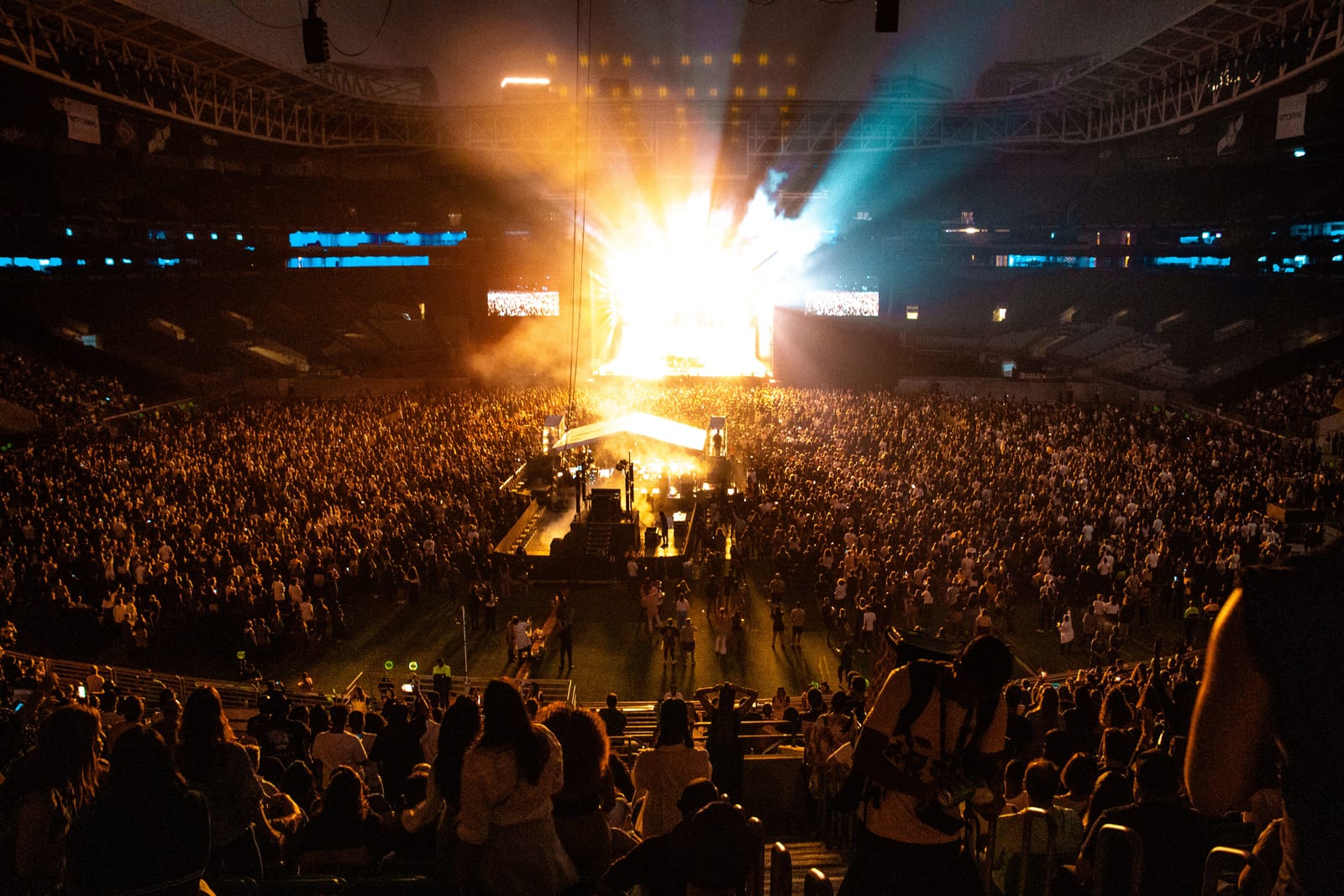
The defending NBA champions opened individual-game sales in three waves this week: Chase cardholders in the Knicks Fan First programme on Monday, other Fan First members on Tuesday, and the general public on Wednesday. By Thursday morning Madison Square Garden Sports had paused the whole thing, saying it was "rolling back to last year's prices plus an average increase of 12%" and that "anyone who already purchased individual tickets will be refunded the difference".
The numbers that triggered the retreat are eye-watering even by Manhattan standards. TicketNews, citing TicketData, puts the get-in price for the opener against the Philadelphia 76ers at $1,408 when the Chase presale opened on Monday, $1,363 when the public sale began on Wednesday, and $1,251 on Thursday, which was higher than the cheapest seat for any Knicks regular-season game in the whole of 2025-26. Front Office Sports reports a $1,000 minimum on Ticketmaster and an average opening-night price of roughly $2,500. Ticketmaster's response was a one-liner: it "does not set prices", and questions were referred back to the team.
What nobody has said is how the mistake happened. The New York Post had reported before the sale that the inventory would be dynamically priced in response to demand after the club's first title in 53 years, and MSG Sports has not confirmed whether the error sat in the configuration of that system, in the starting prices fed into it, or somewhere else entirely. Nor has it said how many purchases were affected or what the refunds will total. For context, the Knicks' average get-in across 45 scheduled home games is $262, more than double any other NBA team, with the Lakers next at $130 and the Celtics at $99.
Why this is a registration story, not a basketball story
Strip away the LeBron James subplot (he has joined the 76ers, which is why this particular Tuesday in October was always going to be a hot ticket) and what is left is the most ordinary failure in event ticketing: a price went live that the organiser did not mean to publish, and buyers acted on it before anyone inside the building noticed.
Conference and exhibition organisers do this in miniature all the time. The early-bird tier that was supposed to end at midnight on the 30th and instead ran until the 31st. The VIP pass with an extra zero. The sponsor allocation accidentally listed as public. The difference is scale: when a 19,000-seat arena gets it wrong, the correction makes the wire services; when a 600-delegate summit gets it wrong, the correction is a very awkward email and a weekend of partial refunds.
The Knicks did not lose money on Thursday. They lost the thing a "Fan First" label is supposed to buy: the assumption that the number on the screen was put there on purpose.
That reputational cost is the one worth studying, because MSG Sports had spent two years telling supporters that the Fan First programme existed to keep them away from broker prices. Complaints about $200-plus upper-level Fan First tickets surfaced as early as 2024. A presale that produced a $1,408 get-in did not need brokers to feel expensive.
What this means for event organisers
Three practical lessons, none of which require an NBA budget.
Pricing and cost structure: publish it, then test it as a buyer. Before any tier goes live, somebody who did not build it should complete a real purchase at the lowest price and the highest, on a phone, and read the total with fees. This is the part of "ease of setup" that vendors do not demo. If the platform lets prices move automatically on a date or a sales threshold, walk through every rule in order, because the Knicks case shows how quickly a misconfigured rule outruns the person watching the dashboard.
Tired of Fee Announcements? Go Flat
eventcloud charges one subscription with no per-ticket fees, so platform news stops being budget news.
Have a rollback that does not need a press release. MSG Sports could pause, roll back and promise refunds within about 72 hours, which is faster than most corporate organisers could get sign-off. Know in advance who can take a tier offline, how a partial refund is issued, and how you will identify the affected orders. On eventcloud, revenue lands in the organiser's own Stripe account, so the refund of a difference is a Stripe action the organiser controls rather than a support ticket to a third party holding the money.
Notice who profits from your mistake. This is the quiet part. On a percentage-of-ticket fee model, an overpriced ticket is a bigger fee. At Eventbrite's published US rate of 3.7% plus $1.79 per ticket, a $2,500 seat generates about $94 in platform fees against roughly $11 on a $250 seat; the platform has no incentive to flag that your prices look wrong. A flat subscription has no stake in the number you type into the price field. eventcloud charges $125 per user per month whether the ticket is $25 or $2,500, and whether you sell 500 of them or 50,000, which is the model we would pick for a pricing decision that can go this badly wrong in either direction. Compare the two approaches on our Eventbrite comparison page.
The context the sources left out: 2026 is a bad year to surprise a buyer
The Knicks' error landed in a regulatory climate that has turned sharply against opaque pricing. The FTC's all-in pricing rule for live events has been in force since May 2025, and earlier this month Brazil wrote all-in pricing into federal decree (the full Brazil checkout rulebook is on this blog). The Oasis reunion sale in 2024, where "in demand" standing tickets climbed from about £150 to £355 while fans sat in the queue, produced a Competition and Markets Authority investigation and, this month, a consumer-law prosecution in Ireland over how those tickets were labelled, which we covered in our CCPC piece.
None of that outlaws a team pricing its own inventory however it likes. What it does is set the mood. A get-in that quadruples during a fans-first presale now reads as a policy failure, not a pricing quirk, and the correction has to be fast and generous. The Knicks' 12% figure is telling: it is roughly the rise a demand model might have produced anyway had it been configured correctly, which suggests the intention was ordinary and the execution was not.
What happens next
Sales are expected to resume next week with corrected prices, and the interesting number will be the resale market. Secondary listings for the opener were sitting around $1,200 on Thursday. If the corrected face value comes in well below that, the Knicks will have handed brokers the margin that the Fan First programme was built to deny them. If it comes in close, the "mistake" will look more like an aggressive price the club lost its nerve on. Either way, the organiser's lesson is the same one it was on Monday: the number on the screen is your promise, and the tooling around it should be built so you can keep it.