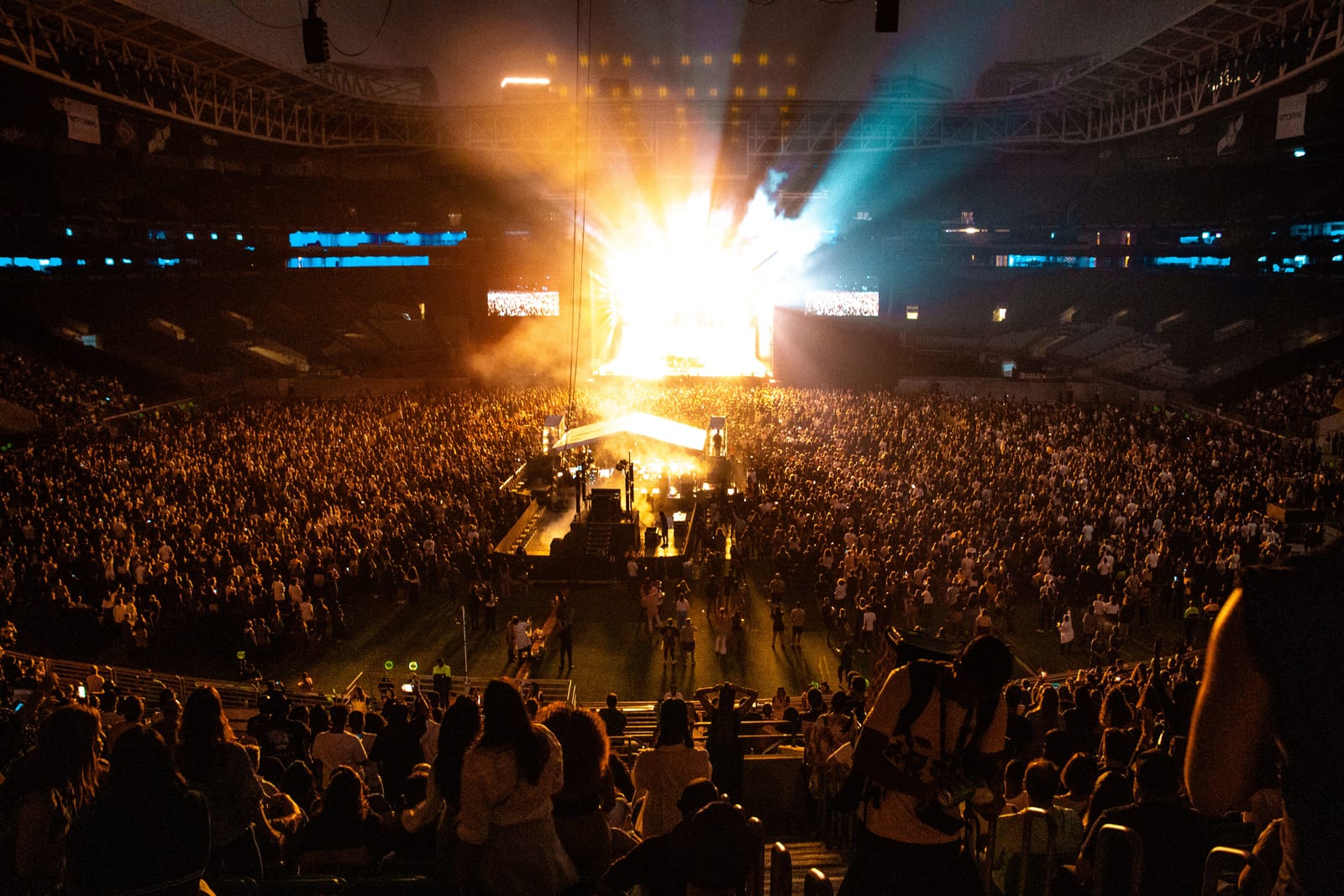
Around 1,200 physicians and researchers have pledged to boycott the American Diabetes Association, and the target is its flagship meeting: the 2027 Scientific Sessions, booked for 18 to 21 June at the Walter E. Washington Convention Center in Washington, D.C. The pledge, announced on 9 September, covers attending, presenting, reviewing and fundraising. For anyone who runs a conference, the lesson is uncomfortable: the people boycotting are not the audience. They are the programme.
What has actually happened
The dispute dates to 5 June, when five attendees were removed from the 2026 Scientific Sessions in New Orleans while handing out copies of an editorial from the association's own journal criticising federal research cuts. On 1 September the ADA's Audit and Governance Committee published its review: the five were removed for conduct that disrupted the event and breached the attendee code of conduct, not for what they were distributing; on-site security acted appropriately; nobody from the ADA called the police, and the uniformed officers present were contracted event security; and there were "communication shortcomings" between staff, security and attendees. The association says it will tighten training, policies and communication for future meetings.
The boycott followed within days. Skift Meetings reports about 1,200 signatures in the first week, citing two of the organisers, a former ADA president and the editor-in-chief of Diabetes Care. Retraction Watch quotes the boycott letter itself: signatories will not plan or attend ADA scientific meetings, review grants or manuscripts, submit papers, or take part in fundraising, until the board allows an independent, academic-led review of how the association is structured and run. The journal's editors suspended review of new submissions from 10 September. The ADA responded with a banner across its professional sites saying no programme, including the 2027 Scientific Sessions, has been stalled, suspended or stopped.
Two things are not in dispute and are all that matters here: the meeting typically draws 8,000 to 10,000 people, according to one of the boycott's organisers, and a meaningful slice of its speakers, reviewers and committee members have said they will not come. Everything else, from the conduct on the day to the fairness of the review, is contested, and this article does not adjudicate it.
Why this is a registration problem, not just a governance one
A commercial conference can survive a few thousand angry customers, because customers are replaceable. An association meeting cannot, because its customers are also its suppliers. The abstract reviewers, the symposium chairs, the plenary speakers and the poster presenters are drawn from the same membership that buys the tickets. When that membership withdraws, the product thins out at the same time as the revenue does, and the two feed each other: fewer sessions worth travelling for, fewer delegates, fewer exhibitors willing to pay for a quieter hall.
That is a different shape of risk from the ones on most planners' checklists. Weather, strikes, venue failure and security incidents all arrive from outside. Member activism arrives from inside the registration list, and it shows up first in the data an organiser already has: the pace of abstract submissions against last year, the acceptance rate on speaker invitations, early-bird registrations by institution, and whether the people who normally register in the first week have registered at all.
The first sign of a boycott is not a petition. It is a registration curve that is a week behind last year's, from the cohort that usually signs up first.
What this means for event organisers
First, treat the registration system as an early-warning instrument, not just a till. That means being able to segment sign-ups by organisation, role and history in minutes, without a support ticket, and export the lot to a spreadsheet when the board asks for it on a Friday afternoon. If the platform makes you pay extra for reporting, or holds attendee data behind a per-event licence, you are flying an association meeting on instruments you rent.
Tired of Fee Announcements? Go Flat
eventcloud charges one subscription with no per-ticket fees, so platform news stops being budget news.
Second, put the code of conduct where it is enforceable. The ADA's own review found communication shortcomings between staff, security and attendees in the moments before the removals, which is a polite way of saying nobody on the floor was sure what the rules were. A conduct policy that lives on a web page is a suggestion. One accepted as a required tick-box at registration, with the venue's own rules folded in, is a term of entry, and it is the difference between "we told you" and "you agreed". A required acceptance field on the registration form does that job; if exhibitors, press and members need different terms, give each its own ticket type with its own form.
Third, separate the money from the headcount. The ADA's 2027 exhibition and sponsorship packages are largely committed already, which is why the organisers themselves say the financial hit may land in 2028 rather than next June. Sponsors buy the audience they expect, and a meeting that shrinks from 10,000 to 8,000 has a renewal conversation coming. The ticketing bill should not be part of that conversation. On a per-registrant licence, a smaller meeting costs less per head but the platform fee stays, so the association pays a fixed cost for a smaller room. On a flat subscription the price does not move with the headcount in either direction, so a bad year and a record year cost the same to run, and attendance becomes a programme question rather than a billing one. That is the reasoning behind our guide to ticketing platforms for professional associations.
The wider trend: the membership is now a stakeholder that can walk
This is not a one-off. In April, Skift reported nearly 2,000 mathematicians threatening to boycott a major US conference, and the ADA case follows the same arc: an incident at the meeting, an internal review that satisfies the institution but not the members, and a pledge that targets the next meeting because the meeting is the one asset the members can withhold. Professional and scientific societies depend on volunteer labour in a way that commercial organisers do not, and in a year when research funding is itself a political question, the annual meeting has become the stage on which those arguments get played out.
The practical consequence is that "will they come?" is no longer only a marketing question. It is a governance question with a registration deadline. Societies that can see their own membership clearly, in their own data, will notice trouble early enough to talk to people. Those that discover it from a petition count in the trade press will be planning next year's meeting around a hole.
Where eventcloud fits, and where it does not
eventcloud does not do abstract management, peer review or committee workflows; those live in dedicated academic tools, and an association will keep using them. eventcloud does not do attendee networking or matchmaking either. What it does is the front end of the problem: unlimited events and registrations on one subscription, custom registration forms and ticket types so members, exhibitors and press each accept the right terms, a live attendee list you can filter and export to Excel, and payments straight into your own Stripe account. For a society that runs an annual meeting plus a calendar of chapter events, that is the part of the stack where the early warning lives, and it is on the registration features page.
The ADA will run its 2027 meeting; it has said so in a banner. Whether the room is full is now in the hands of the people who used to fill the programme. Every association organiser should be looking at their own registration data this week and asking a simple question: if our members decided to stay home, how soon would we know?