Running a charity auction alongside your ticket sales is one of the highest-return moves in fundraising: the same guests who bought a gala ticket are, three glasses of wine later, in exactly the mood to bid on a signed shirt or a weekend away. The trick is making the auction and the ticketing feel like one event rather than two bolted-together systems. This guide covers how to run a charity auction alongside ticket sales without doubling your admin, drowning in spreadsheets, or paying a specialist platform four figures for the privilege.

Same guests, same night, same warm mood. This is when a good auction earns its keep. Credit: Pexels
Why run a charity auction alongside ticket sales at all
Because it works, and because the audience is already in the room. A gala ticket gets someone through the door; an auction is how the evening actually raises money. And the numbers favour going digital with the bidding: platform data compiled by CharityAuctions.com found that auctions using mobile bidding raise on average around 43% more per event than paper-based formats (CharityAuctions.com). Paper bid sheets are charming, but they cap out at whoever happens to be standing near the table.
The problem is that most organisers end up running the ticket sale in one tool and the auction in another, then spend the following week reconciling two guest lists, two payment reports and two sets of "who actually paid" questions. The goal is one guest, one record, one payment relationship.
Silent, live or hybrid: pick your format first
Before you touch any software, decide what kind of auction you are running, because it changes everything downstream.
| Format | How it runs | Best for | Watch out for |
|---|---|---|---|
| Silent auction | Guests bid over a set window, usually on their phones | Many lots, relaxed pace, big rooms | Needs a clear closing time and reliable connectivity |
| Live auction | An auctioneer runs a handful of headline lots from the stage | A few high-value items and a captive audience | Slow to run many lots; needs a good auctioneer |
| Hybrid plus pledge | Silent auction all night, a few live lots, then a direct pledge or paddle-raise ask | Most galas; captures small and large donors | More moving parts to keep in one record |
The hybrid is the workhorse of the gala world for a reason: the silent auction keeps everyone engaged, the live lots create the theatre, and the pledge moment catches the guests who did not win anything but still want to give. If you can capture all three against the same attendee record, your post-event reconciliation goes from a nightmare to a coffee break.
One more format decision worth making early: how you handle the guests who are in the room but not glued to their phones. A well-run silent auction usually pairs the mobile bidding with a couple of roaming volunteers holding tablets, gently nudging the table that has not opened the auction link yet. It sounds low-tech next to the software, but it is frequently where the incremental bids come from. The technology sets the ceiling; the humans working the room decide how close you get to it. Plan for both, and brief your volunteers on which tables to prioritise once the bidding slows.
The setup that keeps it to one guest, one record
Here is what a clean charity-auction-plus-tickets setup looks like, in order.
Sell the ticket and collect the card at registration. If a guest checks in with a card already on file, winning bids and pledges can be settled at the end of the night without a queue at a cashier's desk.
Tie the bidder to the ticket. The person bidding should be the same record who bought the ticket, so their winnings, pledges and dinner choice all sit in one profile.
Run the bidding on phones. Mobile bidding lifts totals and spares you the paper-sheet transcription at midnight.
Capture pledges as their own line. A direct-ask or paddle-raise should record cleanly next to auction wins, not get lost in a separate donation tool.
Settle through one payment account. One card, one receipt per guest covering ticket, winnings and pledge. This is where two-tool setups fall apart and one-record setups shine.
If a guest gets three separate emails asking for money after your gala, you did not run one event. You ran three, and made them do the admin.
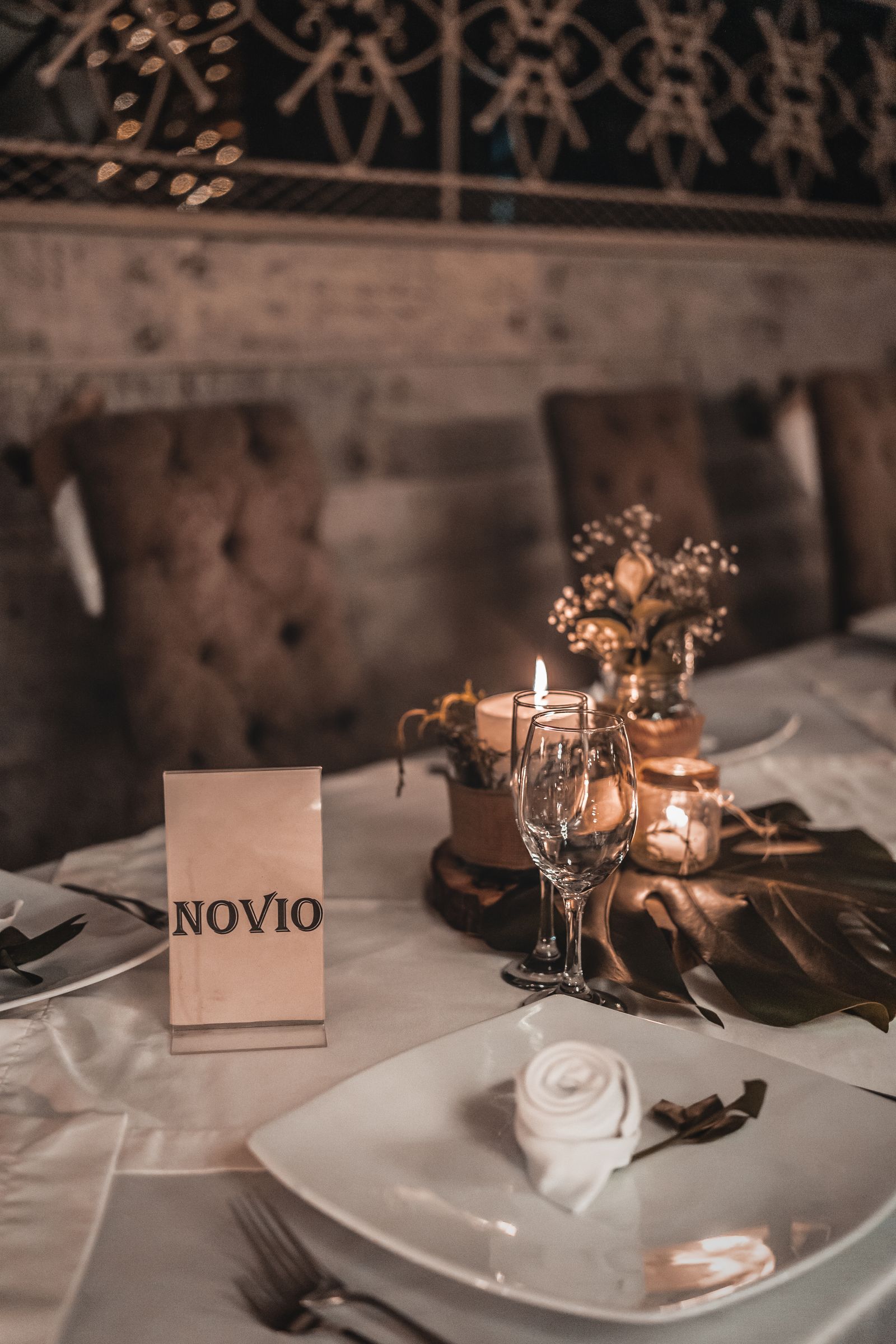
Every place setting is a potential bidder. Make it easy for them to say yes from their seat. Credit: Pexels
Ticketing That Doesn't Tax the Cause
Flat pricing means every fundraising event keeps its margin, whether you sell fifty tickets or five thousand.
What a dedicated auction platform costs (and when it is worth it)
Specialist auction software is genuinely excellent at auctions, and if you are running a flagship, glossy, multi-hundred-lot event, that depth can pay for itself. But look at the price of admission before you commit. Recent 2026 pricing comparisons put per-event auction tools such as Handbid at roughly 1,396 US dollars and up per event, with enterprise-style options like Accelevents starting around 7,500 US dollars for a single event, while annual-subscription tools like ClickBid start near 795 US dollars a year and Silent Auction Pro around 899 US dollars a year (Bloomerang). Some platforms instead take a percentage, commonly around 5% of winning bids (Charity Charge).
None of that is unreasonable for what those tools do. The question is whether a charity running a couple of events a year wants a separate four-figure contract, a separate login and a separate guest list sitting next to its ticketing. For many, the answer is no, especially when the same money could be going to the cause.
Where a unified platform fits
If your auction is part of a ticketed event rather than a standalone spectacle, running both from one platform is usually the saner path. You want one attendee record carrying the ticket, the bids and the pledge; payments through your own account so funds are not held; and a fee model that does not punish you for a successful night. Platforms built around unlimited usage rather than per-ticket or per-registrant charges matter here, because a charity gala is exactly the kind of event where "you raised more, so you owe us more" is the last message you want. eventcloud's charity setup runs ticketing on your own Stripe with a flat platform cost, which keeps more of every pound and every dollar with the cause rather than the software.
Be honest with yourself about scale, though. If you are running the kind of auction that needs bespoke lot catalogues, proxy bidding and a dedicated auctioneer console, a specialist tool for the auction and a clean ticketing platform for the door may still be the right split. For everything up to that, one record beats two.
The night-of checklist
Card captured at check-in so settlement is one tap, not a queue.
A hard, visible closing time for the silent auction, announced more than once.
A backup for connectivity: a few staffed devices in case a guest's phone struggles.
Live lots and the pledge ask sequenced so energy peaks, not sags.
One receipt per guest at the end, covering ticket, winnings and pledge together.
Get those five right and your auction stops being a spreadsheet you dread and starts being the part of the night that actually funds the mission. If you want ticketing and auction settlement living in one record, take a look at how eventcloud works for charities, or read our guide to keeping more of every fundraiser donation.