Selling out is the dream, right up until you realise a sold-out event is also a room full of demand you might be leaving on the table. Handled badly, a sold-out event waitlist is a black hole where eager buyers go to be forgotten. Handled well, it converts late demand into extra revenue, gives you a clean way to release held seats, and hands you proof of demand for next time. This is a practical guide to managing a sold-out event: how to run a waitlist that actually converts, how to release capacity without chaos, and how to use upgrades to squeeze more value from a full house.
The one-line version: capture demand the moment you sell out, communicate on a schedule so nobody feels ghosted, and release seats in small, time-boxed batches rather than flinging the doors open and hoping. Do those three things and "sold out" becomes a revenue stage, not a dead end.
Set up the sold-out event waitlist before you actually need it
The single biggest mistake is treating the waitlist as an afterthought you cobble together once you have already sold out. By then the FOMO wave has arrived and there is nowhere to put it. Switch the waitlist on the moment your last standard ticket sells, so buyers who arrive to a "sold out" page see a "join the waitlist" option instead of a shrug.
When capacity fills, the flow should be automatic: a buyer hits the sold-out page, joins the waitlist, and gets an instant confirmation. When seats free up, whether you release them manually or the platform does it automatically, waitlisted people get notified and can book. No spreadsheet, no manual emails at midnight, no "sorry, that one just went" awkwardness.
A waitlist you set up after you sell out is a fire escape you install during the fire. Build it into the venue first.
Communicate on a schedule, or watch conversion die
Vague, infrequent communication is what kills waitlist conversion. People join in a moment of enthusiasm, hear nothing for two weeks, assume they missed out, and buy elsewhere or forget entirely. Every waitlist needs at least three emails, each doing one job.
| When it sends | What it does | |
|---|---|---|
| Confirmation | Instantly on joining | Thanks them, sets expectations on how and when seats are released, reassures them their place is recorded |
| Update or nudge | Midway through the wait | Keeps them warm, confirms the event is still in demand, shares any news |
| Release offer | When seats become available | Gives a direct booking link and a clear deadline to claim before the offer moves down the list |
That first confirmation does more work than it looks. It reassures people their place is recorded, which dramatically reduces the anxious behaviour that wrecks your data: joining twice under two email addresses, or giving up and buying a resale ticket at a markup. A calm waitlist is an accurate waitlist.
Release capacity in small, time-boxed batches
Seats free up all the time: cancellations, unpaid holds that expire, comps that never got claimed, and the block you sensibly held back from general sale. The temptation is to release them all at once. Resist it. Dumping fifty seats onto a list of five hundred people creates a stampede, a wave of "it sold out again before I could click" complaints, and a real risk of overselling.
Instead, release inventory in small batches with a clear claim deadline. Match the batch size to how many seats you actually have and how fast you expect people to act. If your list converts at roughly one in three, releasing ten seats to thirty people is sensible. Watch the live count and slow down before you oversell. The deadline is what creates urgency without chaos: "these ten seats are yours if you book in the next 24 hours, then they move on".
What Would Zero Booking Fees Save You?
eventcloud charges a flat subscription, not a cut of every ticket. Compare it with what your current platform takes.

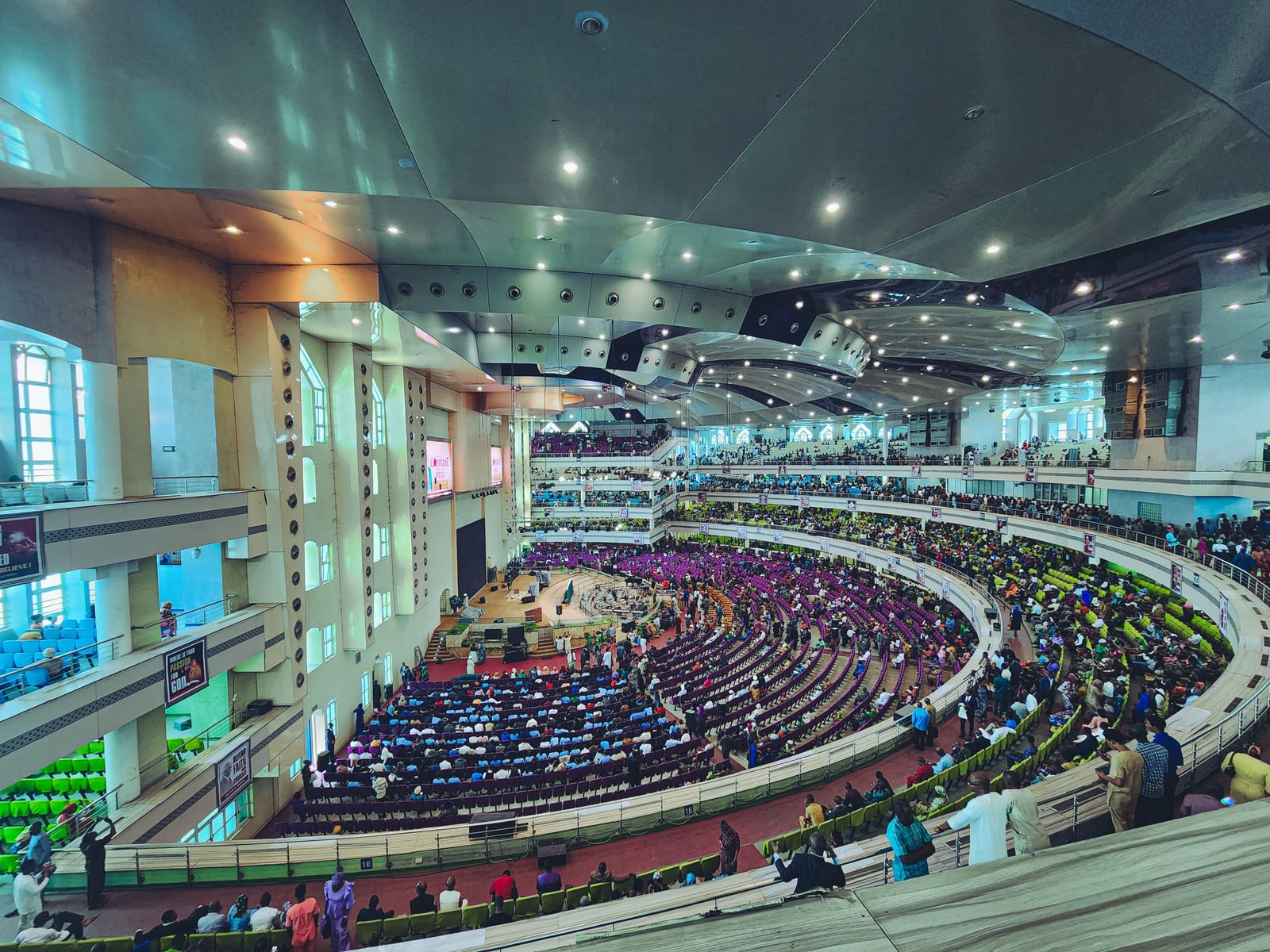
Every empty seat in a sold-out room is a waitlisted fan who would happily fill it · credit: Stem List / Unsplash
One more source of inventory people forget: reclaim unused holds and comps in the final week. Those VIP seats that never got confirmed and the press tickets nobody claimed are real capacity. Sweep them up and feed them to the waitlist in small batches, and you can meaningfully lift attendance in a room you thought was full.
Turn a full house into upgrades
A sold-out event is the best possible moment to offer upgrades, because scarcity has already done your persuasion for you. Someone who has a standard ticket to an event that is now sold out is highly motivated to protect and improve their spot. A few upgrade plays worth running:
Offer existing standard-ticket holders a paid bump to a VIP or premium tier while general tickets are unavailable.
Release a small premium allocation to the waitlist first, so your most eager buyers get the higher-value option before anyone else.
Bundle add-ons such as reserved seating, early entry, or merchandise as an upgrade, rather than a fresh ticket, to lift average spend without adding bodies to a full room.
Upgrades are the polite way to grow revenue when you cannot grow the room. You are not adding attendees, you are increasing the value of the ones you already have, which is exactly the lever you want when capacity is the constraint.
Use the demand data, do not just admire it
A waitlist is a market research report that people volunteered to fill in. Track your waitlist size and conversion rate, and pull the reports on how many release offers were accepted. That data does three jobs. It tells you whether to add capacity or a second date next time. It proves demand to sponsors and venues, which strengthens your hand in negotiations. And it sharpens your pricing, because a waitlist that fills in an hour is a fairly loud signal that your headline price had room to move.
Which points to the classic win-win move: if the waitlist is enormous and the demand is clearly real, consider announcing a second show or a larger venue. "Second date added due to demand" is a message fans love to receive and a genuinely good outcome for revenue. The waitlist is what tells you whether that gamble is safe.
The tooling that makes this painless
All of the above is far easier when waitlists, capacity releases, ticket tiers and reporting live in one platform rather than four. A waitlist that cannot see your real-time capacity cannot safely automate releases. An upgrade offer that cannot see who holds a standard ticket cannot target the right people. When these features are built into the same system, the guardrails against overselling work automatically and your post-event demand report is a single export, not a reconciliation project.
A flat-fee platform adds one more quiet advantage here: releasing more seats and selling upgrades does not trigger extra per-ticket platform fees on top, so converting your waitlist is pure upside rather than a split with your ticketing provider. If you want to see how waitlists, releases and upgrades fit together, our product overview shows the ticketing and capacity tools in one place, the promotions and upgrades feature page covers the upgrade and tier mechanics, and the pricing page explains why a flat fee keeps every converted waitlist seat entirely yours.