A nor'easter wiped three major East Coast events off the calendar in a single Friday: the whole three day All Things Go festival in New York, both Ed Sheeran dates at Gillette Stadium, and all three days of Oceans Calling in Ocean City. Every one of them refunded automatically through its own ticketer, and sent everybody else somewhere else.
That last clause is the organiser lesson, and it is worth more than the weather forecast. Three cancellations, three primary ticketing systems, three automatic refund flows, and in all three cases a second group of buyers who got a sentence telling them to go back to wherever they bought it.
What happened, and in what order?
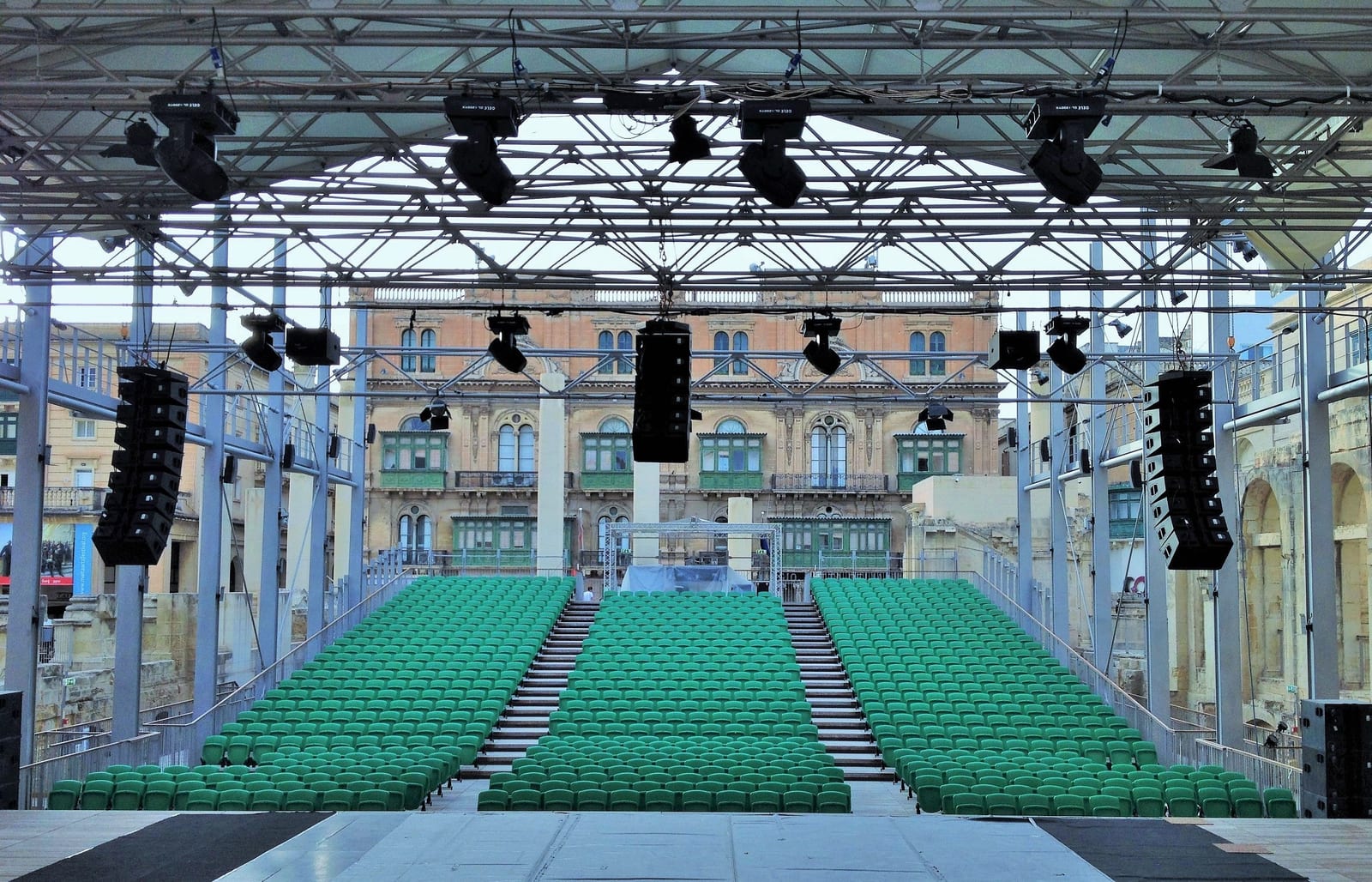
Oceans Calling went first. Organisers cancelled the Friday programme after coastal flooding and beach erosion made it impossible to safely finish building the festival site, then cancelled Saturday and Sunday too once the storm track shifted west. That took out more than 40 scheduled performances.
Ed Sheeran's Loop Tour dropped both Foxborough shows on the Friday morning, after tour and stadium officials reviewed forecasts with public safety officials. All Things Go cancelled its New York edition on the Friday afternoon, having still been listed to go ahead a day earlier, citing severe weather and high winds across the metro area after consulting local officials, the venue and weather advisers. TicketNews tracked all three, and Variety reported the All Things Go decision independently the same day.
New York City Emergency Management had warned on the Thursday of rain, coastal flooding and gusts around 40 mph building late Friday into Saturday morning. The National Weather Service described a prolonged period of rain, rough seas, strong winds, coastal flooding and beach erosion through the weekend. The sister All Things Go festival at Merriweather Post Pavilion in Maryland was still listed to proceed as of Friday afternoon, which is its own useful detail: two editions of the same festival, one storm, two different calls.
Who actually got refunded, and how?
The pattern is consistent and slightly uncomfortable.
| Event | Primary ticketer | Direct buyers | Everybody else |
|---|---|---|---|
| All Things Go NYC | AXS | Automatic refund to the card used, within 30 business days | Directed back to the original point of purchase |
| Ed Sheeran, Gillette Stadium | Ticketmaster | Automatic refund | Told to contact the original point of purchase |
| Oceans Calling | Front Gate Tickets | Automatic refund in full | Not covered by the automatic process |
Nobody did anything wrong here. An organiser can only automate a refund through a system that holds the money and the card token. What the table shows is that the share of your audience you can look after automatically is exactly the share that bought from you, and not a ticket more.
A cancellation is the one moment when every resale, every transfer and every friend of a friend with a screenshot becomes your customer service problem, and none of them are in your system.
Why the Oceans Calling timeline is the one to steal
Most cancellation coverage focuses on the show that did not happen. The more instructive detail is that Oceans Calling's first cancellation was a build problem, not a show day problem. The site could not be finished safely. The performers, the audience and the weather on the day were not yet the issue.
That is a risk most organisers do not model. Load in, rigging, marquee and stage build usually sit in a window of several days before the doors open, they happen outdoors, and they are governed by wind limits and ground conditions rather than by whether the audience would have had a nice time. If your cancellation decision tree starts on event day, it starts too late by about 72 hours.
Tired of Fee Announcements? Go Flat
eventcloud charges one subscription with no per-ticket fees, so platform news stops being budget news.
The second thing worth stealing is the staged decision. Oceans Calling cancelled one day, kept two alive, then cancelled those when the forecast moved. That is a defensible sequence, but it doubles the communications job and it means some of your audience has already travelled. A single early call is cheaper to run and harsher to make.
What does a cancellation actually cost the organiser?
Venue, crew, freight, insurance and marketing are the visible lines, and none of them care that nobody turned up. The line worth checking before you need it is the platform line, because it behaves differently depending on the model you bought.
If your platform takes a percentage of every ticket, the question to put to them in writing, today rather than in a storm, is a simple one: when an order is refunded, is the platform's service fee refunded with it, or retained? The answer varies, it is rarely on the pricing page, and on a 20,000 ticket cancellation the difference is not a rounding error. Ask it now and file the reply.
If your platform charges a flat subscription, the arithmetic is duller and that is the point. eventcloud costs 125 dollars per user per month whether the month contained three events or none, so a cancellation does not generate a bill, because there was never a per ticket bill to generate. Payments run through the organiser's own Stripe account, which means refunds are issued from an account you control rather than one you are waiting on. Unlimited events, tickets and registrations are the model, and the price is the same at 500 tickets or 50,000, including the ones you had to give back. The pricing page shows the flat line, and we have a longer piece on handling refunds without losing money.
The honest flip side, since a fixed cost is still a cost: a flat subscription is money you pay in a quiet month too. If you run two events a year, a per ticket platform may simply be cheaper, and you should buy accordingly. The flat model wins on volume and on predictability, not on being the budget option.
Three things to check before the next one
Storms are not a surprise any more, they are a scheduling input. The useful preparation is administrative rather than meteorological.
Know what share of your tickets you can refund without touching a keyboard, and write the other group a holding message in advance rather than at 4pm on a Friday.
Move the cancellation decision point to the start of the build window, not the start of the event, and name the person who owns the call.
Get your platform's refund fee position in writing, and get your insurer's definition of adverse weather in writing while you are at it, because the two rarely line up.
All Things Go NYC has no replacement date announced. Neither does anyone else. The weekend is simply gone, which is the part of the events business no software fixes. What software can do is decide whether the bill for a cancelled event arrives with a percentage attached.
Worth stating plainly for anyone weighing this up: eventcloud does not do virtual or hybrid events. If your contingency plan for bad weather is to move the whole programme to a stream, that is a job for a different platform.