How to prevent event overselling: the short answer
To prevent event overselling, every ticket you sell has to draw down from one single, real-time capacity count, no matter which channel it sold through, and your platform has to hold a seat the instant someone starts a checkout rather than at the moment they finish. That is the whole trick. When two people end up clutching a ticket for the same seat, it is almost never bad luck. It is two sales channels counting separately, or a checkout that only claims a seat after payment clears, leaving a window where two buyers can both grab the last one. Fix the counting and the window, and the problem disappears.
Here is exactly how the double-sale happens, what it costs you when it happens at the door, and the setup that makes overselling structurally impossible rather than merely unlikely.
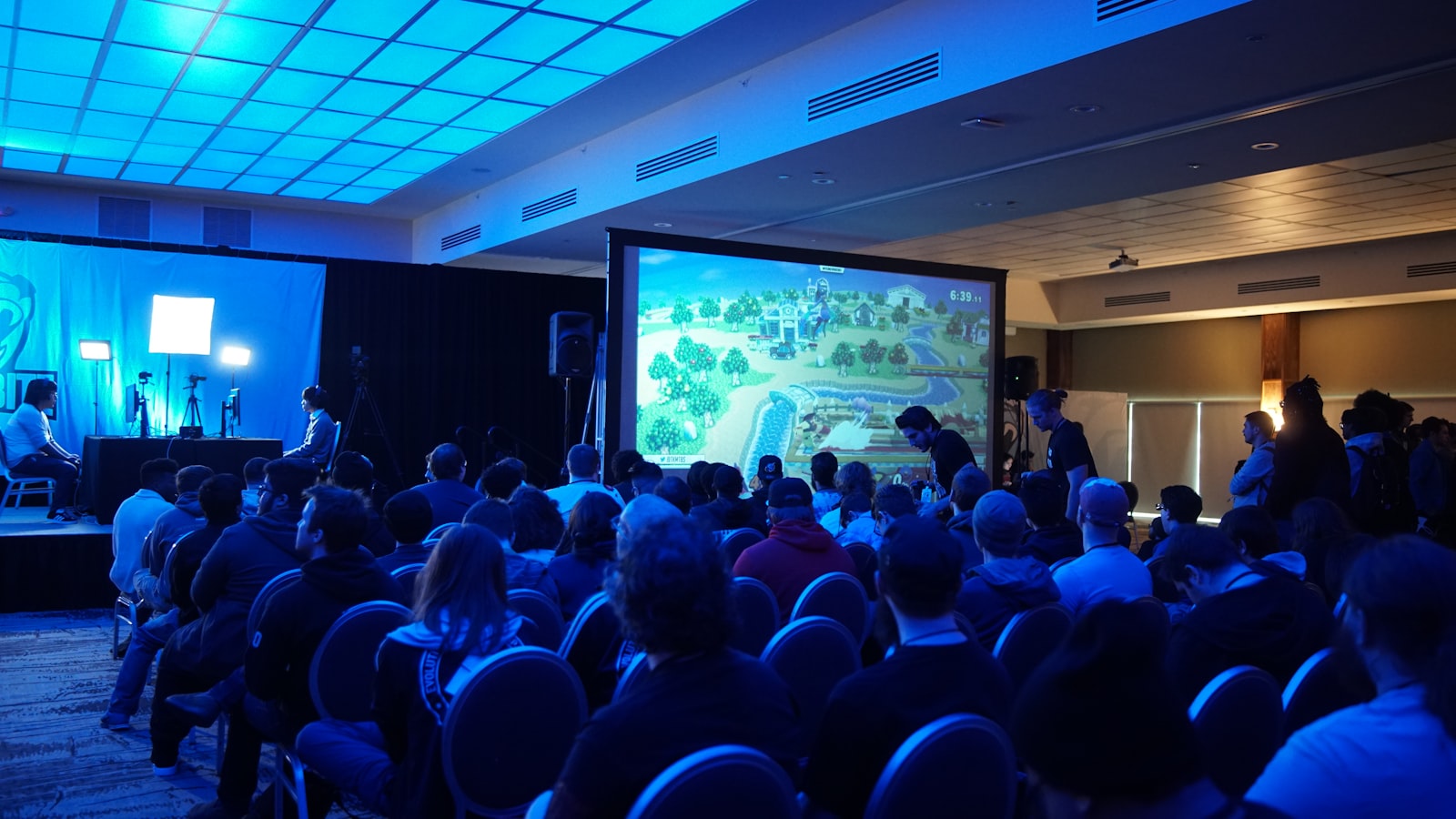
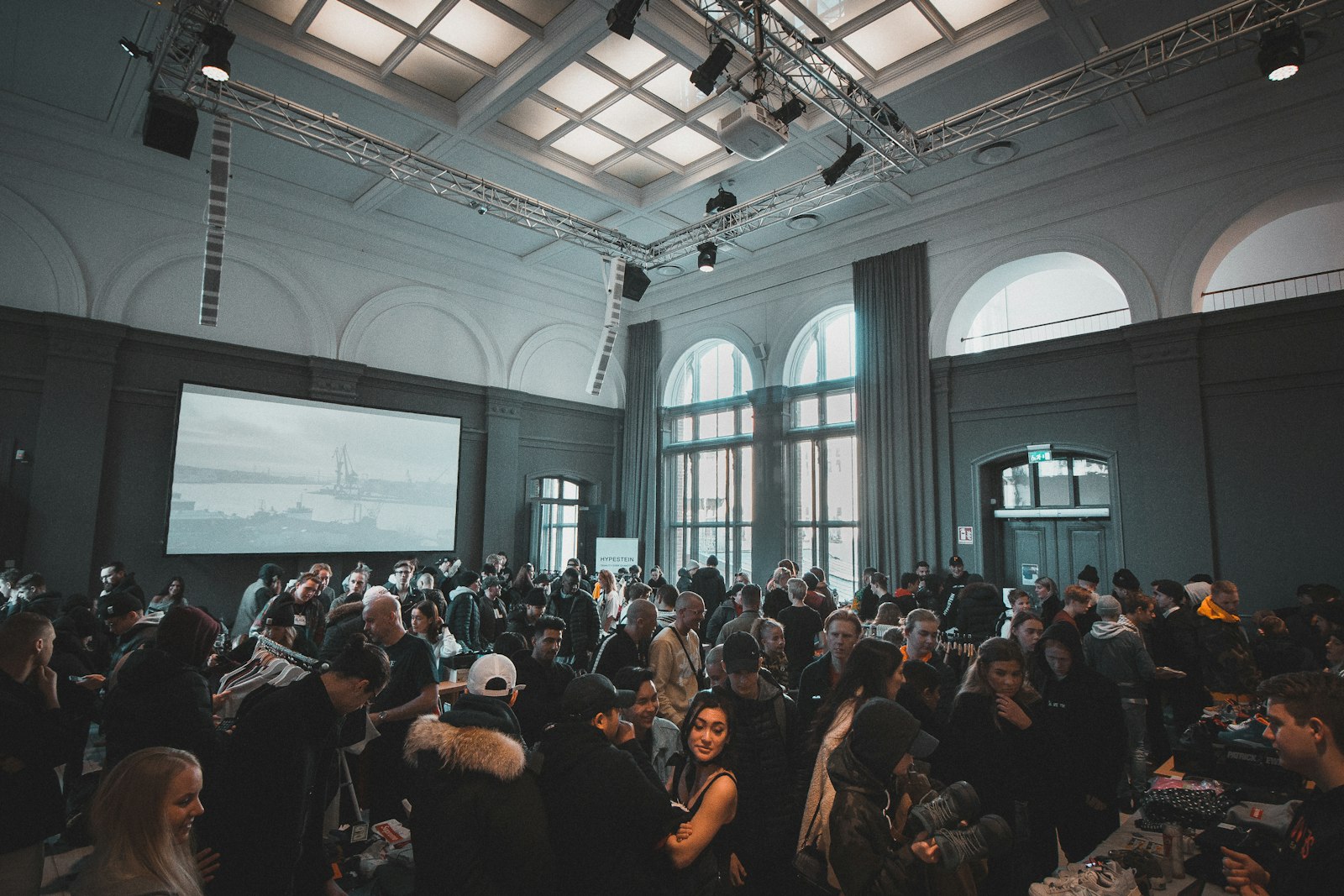
The nightmare scenario: two people, one seat, and a queue forming behind them. Credit: Stem List / Unsplash
How two people end up with the same seat
Overselling looks like chaos from the front desk, but under the bonnet it is a small number of very predictable failures. This is the classic double-booking problem that plagues any reservation system: when two transactions try to claim the same resource at the same time, and nothing forces them to take turns, both can succeed (a well-documented failure mode in database design). In ticketing it shows up in four main ways.
Split inventory across channels
You sell online through one platform, take walk-ups on a card machine at the box office, and maybe hand a block to a partner or reseller. If each channel keeps its own tally and they only reconcile later, the venue's true remaining capacity is a guess. Sell the "last" 20 seats online while the box office sells the same 20 in person, and you have just promised 40 people 20 chairs. On the secondary market this gets even messier: there are documented cases of identical seats being sold twice by different resellers months apart, only discovered when the second buyer's ticket would not scan because the first had already walked in 20 minutes earlier (as CBS reported).
No seat hold during checkout
The second failure is timing. If a seat is only marked as sold after payment completes, then during the 90 seconds someone spends typing card details, that seat still looks available to everyone else. Two people reach the last row at once, both start checking out, both pay. Both get a confirmation. A platform that holds the seat the moment checkout begins, and releases it if the buyer bails, closes that window.
The manual spreadsheet count
If your capacity lives in a spreadsheet that a human updates between sales, you are relying on someone doing mental subtraction faster than tickets sell. This works right up until it spectacularly does not, usually on your busiest day.
Deliberate over-issuing
Worth naming the honest version: airlines and some venues oversell on purpose, betting that a percentage of no-shows means every seat still gets used (overselling as a revenue strategy). That is a calculated gamble with a bumping policy behind it. Accidentally overselling because your channels do not talk to each other is not a strategy. It is just a bad afternoon waiting to happen.
Overselling is rarely a stroke of bad luck. It is two counters that never agreed on the same number, discovered at the worst possible moment: the door.
What it actually costs you
The refund is the least of it. When two people hold the same reserved seat, one of them is standing at a sold-out event with a valid-looking ticket and nowhere to sit. Now you are choosing between bumping a paying customer in front of a queue, comping them into a worse seat, or issuing an apology that will outlive the event on social media. Reserved-seating events feel this most sharply, because a general-admission overshoot can sometimes be absorbed by standing room, while a duplicated seat number cannot be fudged. Either way you have burned staff time, goodwill, and often the exact customer who was most excited to be there.
What Would Zero Booking Fees Save You?
eventcloud charges a flat subscription, not a cut of every ticket. Compare it with what your current platform takes.
General admission overshoots are different from reserved-seat clashes
It is worth separating the two failure shapes, because they hurt differently. A general admission overshoot means you have sold more wristbands than the room comfortably holds. Unpleasant, occasionally a fire-safety problem, but sometimes absorbable with standing room or a quick capacity review. A reserved-seat clash is worse and less forgivable, because seat 14F cannot be diplomatically turned into standing room. Two people have a claim to the same specific chair, and one of them is going to be visibly, publicly disappointed. If your event has a seat map, your tolerance for counting errors drops to zero, and the "we will sort it on the night" approach stops being an option.
What to do if it happens anyway
Even with good systems, a manual error or a rogue reseller can still put two people on one seat. Have a plan so the door team is not improvising in front of a queue. Decide in advance who gets bumped and to where: the general rule is that the earlier valid purchase keeps the seat, and the later buyer is moved to the best available equivalent or better, with a refund of the difference and a genuine apology. Give front-of-house the authority to comp a drink or an upgrade on the spot, because a small gesture in the moment prevents a large complaint later. Keep a few held seats in reserve precisely for this. The goal is to turn a potential viral horror story into a minor, well-handled hiccup. Prevention is far cheaper, but a rehearsed recovery is the safety net.
The setup that makes overselling impossible
The difference between a platform that oversells and one that cannot comes down to a few structural choices. Here is the risky setup against the safe one.
| Element | Overselling waiting to happen | Structurally safe |
|---|---|---|
| Capacity count | Separate tally per sales channel | One shared, real-time count for all channels |
| Seat claim timing | Seat marked sold after payment clears | Seat held the moment checkout starts |
| Abandoned checkouts | Seat stays locked or stays open indefinitely | Hold expires and seat returns to the pool automatically |
| Box office and online | Reconciled manually, later | Same live inventory, same second |
| Reserved seating | Spreadsheet or colour-coded chaos | Locked seat map, one seat one buyer |
Five things to check before your next on-sale
One count to rule them all. Confirm that online sales, box office sales and any comp or guest tickets all draw from the same live capacity number. If any channel counts separately, that is your leak.
Seat holds during checkout. Ask whether the platform reserves inventory at the start of checkout or the end. Only the start protects you.
Automatic hold expiry. Abandoned baskets should release their seats after a few minutes, so a browsing customer does not lock out a buying one.
A single door scan source. At check-in, every scanner should validate against the same record, so a ticket that has already walked in cannot be used twice.
Hard caps, not soft warnings. The system should refuse to sell the 201st ticket to a 200-capacity room, not merely flag it in a report you read on Monday.
Where eventcloud fits
eventcloud runs a single real-time capacity count across every ticket type and sales channel, holds inventory during checkout, and validates check-ins against one shared record, which is what stops the same seat going to two people in the first place. That matters most for reserved-seating events, multi-channel on-sales and anything where the box office and the online store are both live at once. If you are running a small free event with loads of headroom and no reserved seats, honestly, overselling is not your risk and you do not need to overthink this. The moment seats are numbered, capacity is tight, or you sell in more than one place, a single shared count stops being nice-to-have and becomes the thing standing between you and a queue of duplicate tickets.
Want to see how a single live inventory count keeps the door calm? Take a look at how eventcloud handles ticketing and capacity, or read up on check-in to see how one scan source prevents a ticket being used twice.