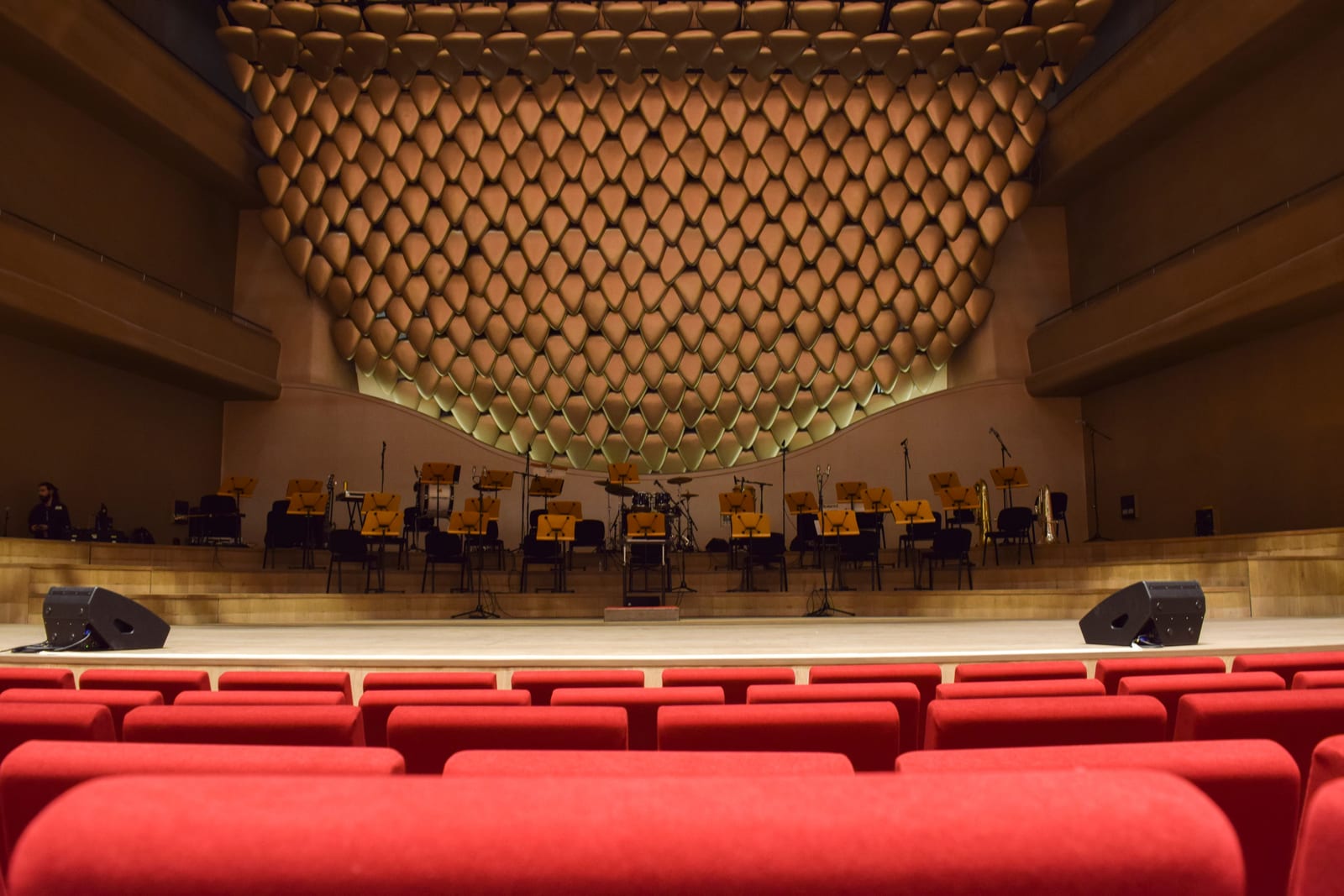
Fan Expo, the comic con group that runs shows in thirteen North American cities and says it welcomes more than a million fans a year, has named Showpass its official ticketing and event technology partner. The whole portfolio moves onto one system, and every badge, photo opportunity, autograph and hoodie goes through a single checkout. For anyone running a portfolio of events, the interesting part is not the logo swap. It is the unit the meter runs on.
The announcement went out on 23 September 2026 and was picked up by TheTicketingBusiness the following day. Named in the deal: Fan Expo Canada, Boston, Denver, Dallas and Chicago, plus MEGACON Orlando and Calgary Expo. Showpass says the arrangement covers ticketing, fan engagement and event operations, with RFID capability and a fully branded Fan Expo purchasing journey on top.
What was actually announced
Showpass founder and chief executive Lucas McCarthy framed it as a scale problem rather than a ticketing one, saying that supporting events of this size requires a platform capable of powering the entire event operation. Fan Expo vice president Andrew Moyes said the group is focused on making sure the fan experience evolves as the events grow. Fan Expo HQ is a unit of Informa Connect, a trading division of Informa plc, which has been assembling this portfolio since it bought Hobby Star Marketing in 2013 and has added Dallas, Orlando, Boston, Calgary, Edmonton, Denver, the old Wizard Entertainment shows and VidCon along the way.
Showpass, for its part, is a Calgary company that says more than 175 million tickets have been issued through its platform and that it remains independently owned. MEGACON Orlando alone is described in the release as drawing nearly 200,000 attendees a year, and the group's own boilerplate puts the portfolio at over one million fans annually.
Two things the announcement does not say, and they are the two things an organiser would ask first: what Fan Expo was using before, and what the deal costs. Neither party disclosed either. Nobody has reported the incumbent, and the contract value, length and go-live dates are all unpublished.
The pricing model is per redeemable item, and that matters
Showpass does publish a rate card, which is more than several of its competitors manage. Its pricing page lists three tiers priced per redeemable item: Essential at 1% plus $0.59, Professional at 2.5% plus $1.69, and Premium at custom pricing. Credit card transactions carry a separate 2.9% plus $0.30 CAD per paid item. Free events are free.
Read that phrase again. Per redeemable item. Not per order, not per attendee, per item. Now reread the bit of the announcement about buying a badge, a photo opportunity, an autograph, a premium experience, merchandise and event add-ons in a single transaction. Convenience for the fan, certainly. It is also a checkout where one person can generate five or six billable lines instead of one.
A single transaction is a lovely thing for the buyer and an interesting thing for the invoice. Bundling six purchases into one journey does not make them one item, it makes them six items that were easier to sell.
To be fair to Showpass, and this is the honest part: Fan Expo at a million fans a year is not paying rate card. It falls into Premium, which is custom priced, and custom priced means negotiated. So the published tiers tell you precisely nothing about what this deal costs. They tell you what the model is. The model is the thing worth copying or refusing, not the number.
What this means for event organisers
Three practical readings, in rough order of how soon they will bite.
Platform migration across a portfolio is a reputation event, not an IT event. Fan Expo is moving a dozen-plus shows with existing ticket holders, existing season buyers and existing expectations. Every historic order, every comp, every exhibitor allocation and every accessibility note has to arrive intact at the other end, or the first email a fan sends is not about the new interface. If you are planning a switch, the migration risk sits in the data and the goodwill, not in the software.
Tired of Fee Announcements? Go Flat
eventcloud charges one subscription with no per-ticket fees, so platform news stops being budget news.
Ask what counts as a billable unit before you ask what the rate is. A 1% rate on six items is not obviously better than a 2.5% rate on one. Get the definition in writing: does a free add-on count, does a refunded item count, does a re-issued badge count, does an exhibitor pass count. Organisers who negotiate hard on the percentage and never define the noun tend to be surprised by their first reconciliation.
Custom pricing is a signal about where the ceiling is. When a platform's published tiers stop and a "contact us" begins, that boundary is telling you the volume at which the standard model stopped working for the vendor. It is worth knowing where that line sits before your event crosses it, because crossing it is when your costs stop being something you can look up.
The bit the announcements left out: what growth costs you
Here is the context neither release supplies. Fan Expo's stated ambition is growth, and its chosen model charges per item. Those two facts are in tension in a way that no amount of RFID cleverness resolves. A percentage of every item sold means the platform's revenue is a function of your success. Sell 20% more merchandise next year and you have not just earned 20% more merchandise revenue, you have also generated 20% more platform fee, for software that did not get 20% better.
That is not a scandal. It is simply a business model, and it is the dominant one in ticketing because it works beautifully for the vendor. But it is worth naming, because the alternative exists and is rarely presented in the same sentence. A flat subscription charges you for the software and stops. Your thousandth attendee costs what your first one did, which is nothing extra, because the price was never attached to attendance in the first place.
This is the position eventcloud takes, and it is worth being precise rather than boastful about it. eventcloud is priced per user, from one, at $125 per user per month, with unlimited events, unlimited tickets and unlimited registrations on the subscription. Payments run through the organiser's own Stripe account, so ticket money never sits with us. At 500 attendees or 50,000, the subscription line reads the same. Your success is not a billing event.
The honest edges, because a claim with no edges is an advert. eventcloud does not do virtual or hybrid events. If your programme is built around a streamed broadcast with a production layer behind it, Bizzabo or vFairs will serve you better. There is no white-label add-on to buy, and the Enterprise page is where that capability lives. Stripe is the only outside system in the app. If your team runs other tools that expect a feed of attendee data, that handover happens at your end, as a spreadsheet. For an in-person conference, trade show or summit that wants one predictable line on the budget, that trade is usually a good one. For a thirteen-city fan convention portfolio with RFID wristbands and celebrity photo queues, it may well not be, and Fan Expo has clearly concluded as much.
If you want to see what the two models actually cost side by side rather than in the abstract, our pricing page shows the flat line, and the cost comparison at 500, 5,000 and 50,000 tickets shows the climbing ones next to it.