It depends on what the platform meters. On percentage-plus-fee platforms such as Eventbrite and Humanitix, only a paid ticket counts, so comps, speakers and free registrations cost nothing. On RegFox a free registrant costs $0.99. On Whova and Cvent the licence is sized by heads, paid or not. On Ticket Tailor free tickets are free until 5,000 a year, then quoted. On a per-user seat such as eventcloud's, nobody counts at all.
Why does this question matter?
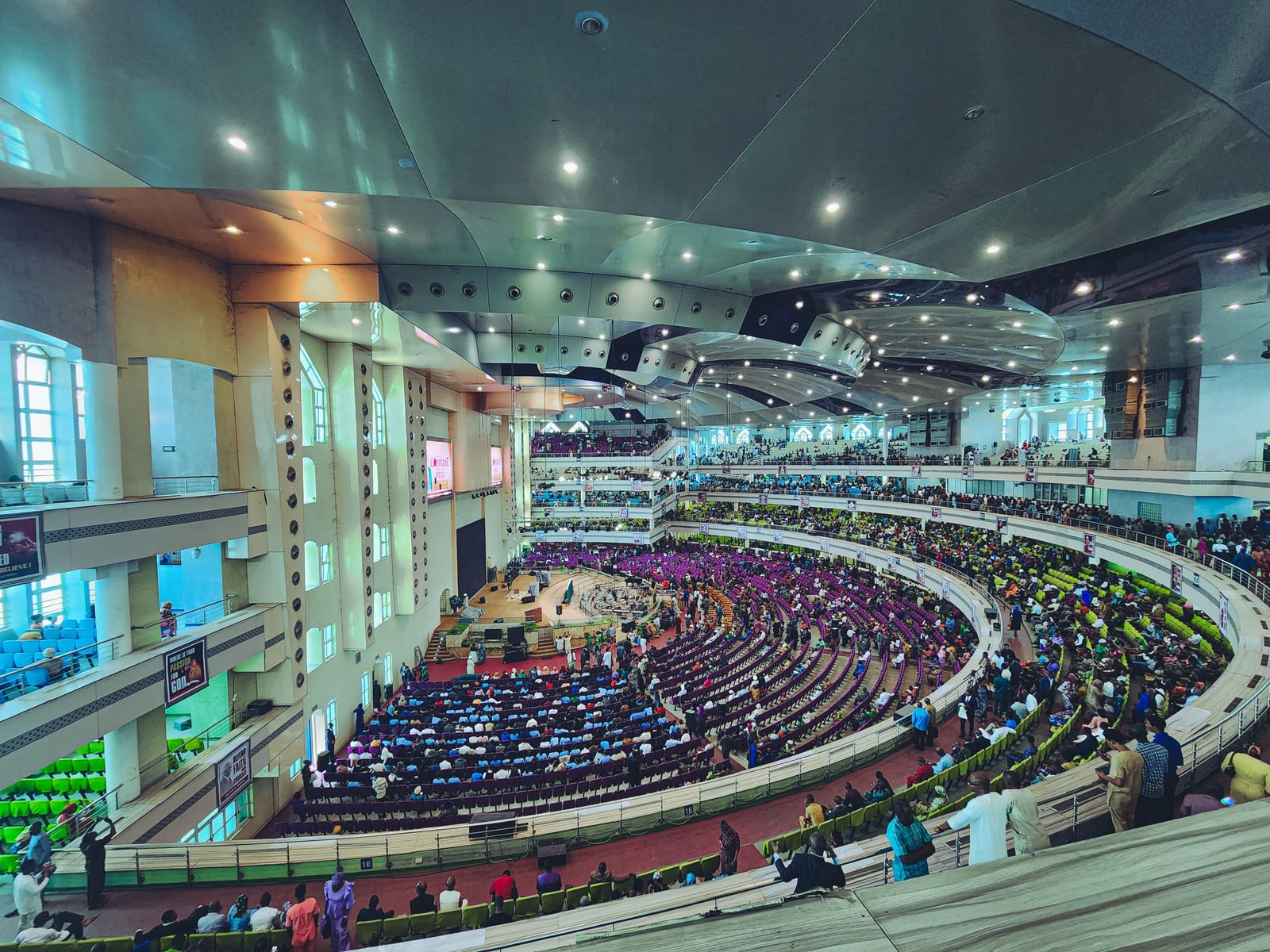
Because a typical conference has far more heads than paying customers. Speakers, sponsors' guests, exhibitor staff, press, volunteers, your own team, the board, and every buyer who registers a plus-one on a free ticket type all show up in the attendee list without showing up in revenue. If a platform prices per head, that gap is a bill. If it prices per paid ticket, the gap is free but the paid tickets carry the whole cost. If it prices per user seat, the gap is irrelevant. Three models, three very different answers to "what did that comp cost me", and most pricing pages only volunteer the first line.
Which platforms charge for a free registration?
Here is what each vendor's own pricing page says as of September 2026. Card processing is excluded throughout because every platform passes it through at the processor's rate.
Eventbrite charges its ticketing fee on paid tickets and add-ons only. Its US rate is 3.7% plus $1.79 per paid ticket plus 2.9% processing, and its fee page is explicit that free tickets carry no fee. A comp on Eventbrite is a free ticket type, so it costs nothing.
Humanitix is the same shape: 2.1% plus $0.99 per paid ticket, free events "nothing, nada, zero", every feature on every plan, and 1% plus $0.99 for charities and schools.
Ticket Tailor is where it gets interesting. Its pricing page headlines "free for free", then qualifies it: no fee for up to 5,000 free tickets a year, after which it quotes a per-ticket charge to cover hosting. Elsewhere on the same page the FAQ puts the threshold at 2,000. Either way a ceiling exists, and a free ticket issued on a seating chart costs one credit even under the limit. Paid tickets are a flat 60p plus VAT pay-as-you-go or from 22p prepaid.
RegFox charges for free registrants outright: $0.99 each on its Standard plan, $1.99 on Premium, alongside $0.99 plus 1% (capped at $4.99) per paid registration. A 1,000-person free conference on RegFox is a $990 platform bill before anyone pays for anything.
Eventcube and TryBooking both make free tickets free (Eventcube under a fair-use policy) and charge a percentage or a flat amount only on paid ones.
Whova charges 3% plus $0.99 on paid tickets and nothing on free ones, but that is only the registration fee. Its per-event licence is quoted in attendee bands (fewer than 500, 500 to 1,500, 1,500 to 3,000 and up), and a band counts everyone who attends. Your 400 comps push you into the next band as surely as 400 buyers do.
Cvent is priced per registrant per event on top of an annual licence, which we walked through in Cvent pricing explained. The unit is a registration, not a payment. Whether comps are carved out is a contract question, so ask it before you sign rather than after the speaker list is loaded.
eventcloud charges per user per year, $1,250 (£950 or EUR 1,100), with unlimited events, unlimited tickets and unlimited registrations on that seat. A free registration, a comp and a $500 VIP ticket are all the same thing to the invoice, which is to say not on it. Payments settle in the organiser's own Stripe account at Stripe's rate.
Do speakers, sponsors, exhibitors and staff count as attendees?
On a per-paid-ticket model, no, provided you issue them as free ticket types rather than as 100% discounted paid ones. That distinction trips people up: a $0 ticket created by applying a full discount code to a paid ticket type can still be treated as a paid ticket on some platforms, so build a genuine free type for comps. On a per-head licence, yes, they all count, because the licence is sized by the room. On a per-user seat, the only people who cost anything are the organisers logging in to run the event, and that number does not move when the speaker list doubles.
What about no-shows, refunds and duplicate registrations?
A no-show has already been billed on every model that meters heads or paid tickets, because the fee was earned at checkout, not at the door. A refund usually returns the face value; whether the platform's own fee comes back varies by vendor and by who paid it, so read that line specifically. Duplicate registrations are the quiet cost: on a per-registrant licence, the same person registering twice is two heads until you merge them, which is a good reason to clean the list before the invoice rather than after.
What Would Zero Booking Fees Save You?
eventcloud charges a flat subscription, not a cut of every ticket. Compare it with what your current platform takes.
What the comps cost at 500, 5,000 and 50,000 heads
Assume a conference where 80% of heads pay $50 and 20% are comps, speakers and free registrations. Platform fees only, before card processing. Ticket Tailor is shown in sterling at its pay-as-you-go rate.
| Platform | How a free head is billed | 500 heads (400 paid, 100 free) | 5,000 heads (4,000 paid, 1,000 free) | 50,000 heads (40,000 paid, 10,000 free) |
|---|---|---|---|---|
| Eventbrite (US, 3.7% + $1.79) | Free | $1,456 | $14,560 | $145,600 |
| Humanitix (2.1% + $0.99) | Free | $816 | $8,160 | $81,600 |
| Eventcube Starter (5% of face value) | Free, fair use | $1,000 | $10,000 | $100,000 |
| Whova (3% + $0.99, plus licence) | Free, but counts toward the licence band | $996 plus quoted licence | $9,960 plus quoted licence | $99,600 plus quoted licence |
| RegFox Standard ($0.99 + 1%, free heads $0.99) | $0.99 each | $695 | $6,950 | $69,500 |
| Ticket Tailor pay-as-you-go (60p) | Free to 5,000 a year, then quoted | £240 | £2,400 | £24,000 plus a quote for the 10,000 free tickets |
| eventcloud (one user seat) | Not metered | $1,250 | $1,250 | $1,250 |
Read the table two ways. Down the 500-head column, Humanitix, RegFox and Ticket Tailor all beat a $1,250 seat, and that is the honest answer for a small paid event: at that size a per-ticket fee is cheaper than a subscription. Across the eventcloud row, the number does not change, which is the whole argument for a seat once the event is large or the free-to-paid ratio is high. Across the Ticket Tailor row, the "free is free" promise runs out exactly where a big event needs it.
"Free tickets are free" and "unlimited attendees" sound like the same promise. They are not. The first one says the platform will not bill the comp. The second one says the platform will not bill the room. Only one of them survives a sell-out.
Why "free tickets are free" is not the same as unlimited
Every platform in the table would describe itself as generous with free registrations, and most of them are. But the ceiling is never in the free column. It sits in the paid column, where 40,000 tickets at $3.64 apiece is $145,600, or in the licence band, where the 10,000 comps decide which price tier you are quoted. "Unlimited" in a pricing sense means the bill stops responding to the head count altogether. On a per-user seat it does, with two honest limits: the seat is per user, from one, so a team of four pays for four; and the seat covers usage of an in-person platform, not features reserved for the Enterprise agreement such as white-label. Within those edges, the 50,000th registration, free or paid, costs the same as the first.
Four questions to ask before you load the speaker list
Is the unit a registration, a paid ticket, a head in the room, or a user login? Does a 100% discount on a paid ticket type count as paid or free? Is there a cap on free tickets per year, and what happens above it? And, for a per-head licence, which band does your total attendance land in once comps, staff and exhibitors are added to buyers? If a vendor cannot answer all four from the pricing page, you are about to discover the answers on an invoice.
Who this is not for
eventcloud does not do virtual or hybrid events. If most of your audience joins from a screen, a per-head model with a streaming layer, such as Bizzabo or vFairs, is the right comparison set. eventcloud does not do attendee networking or matchmaking. And if you run one small paid event a year, a per-paid-ticket platform like Humanitix or Ticket Tailor will cost you less than a seat, because at 400 paid tickets the fee is a few hundred dollars and the comps are free anyway. The seat model earns its keep when the room is big, the comps are many, or the calendar is full.
If your attendee list is mostly people who do not pay, the question is not what the fee is but what the platform counts. The eventcloud pricing page has one number and no head count; the 500 / 5,000 / 50,000 comparison shows what the paid column does on every other model.