The Esports World Cup finished in Paris on 23 August having sold roughly 175,000 tickets, a 94% jump on the 2025 edition. It also logged two million visits once fan festivals and city activations were counted alongside the venues. That gap, better than eleven visits for every ticket, is the number every organiser should be staring at.
Because if your event reports one attendance figure and that figure is the number of badges you scanned, you are describing a fraction of what actually happened.
What actually happened in Paris
The 2026 Esports World Cup ran for seven weeks, from 2 July to 23 August, across the Paris Expo Porte de Versailles and the Accor Arena. TheTicketingBusiness reported around 175,000 tickets sold, up 94% year on year, with two million total visits recorded once the fan festival and city activations were included.
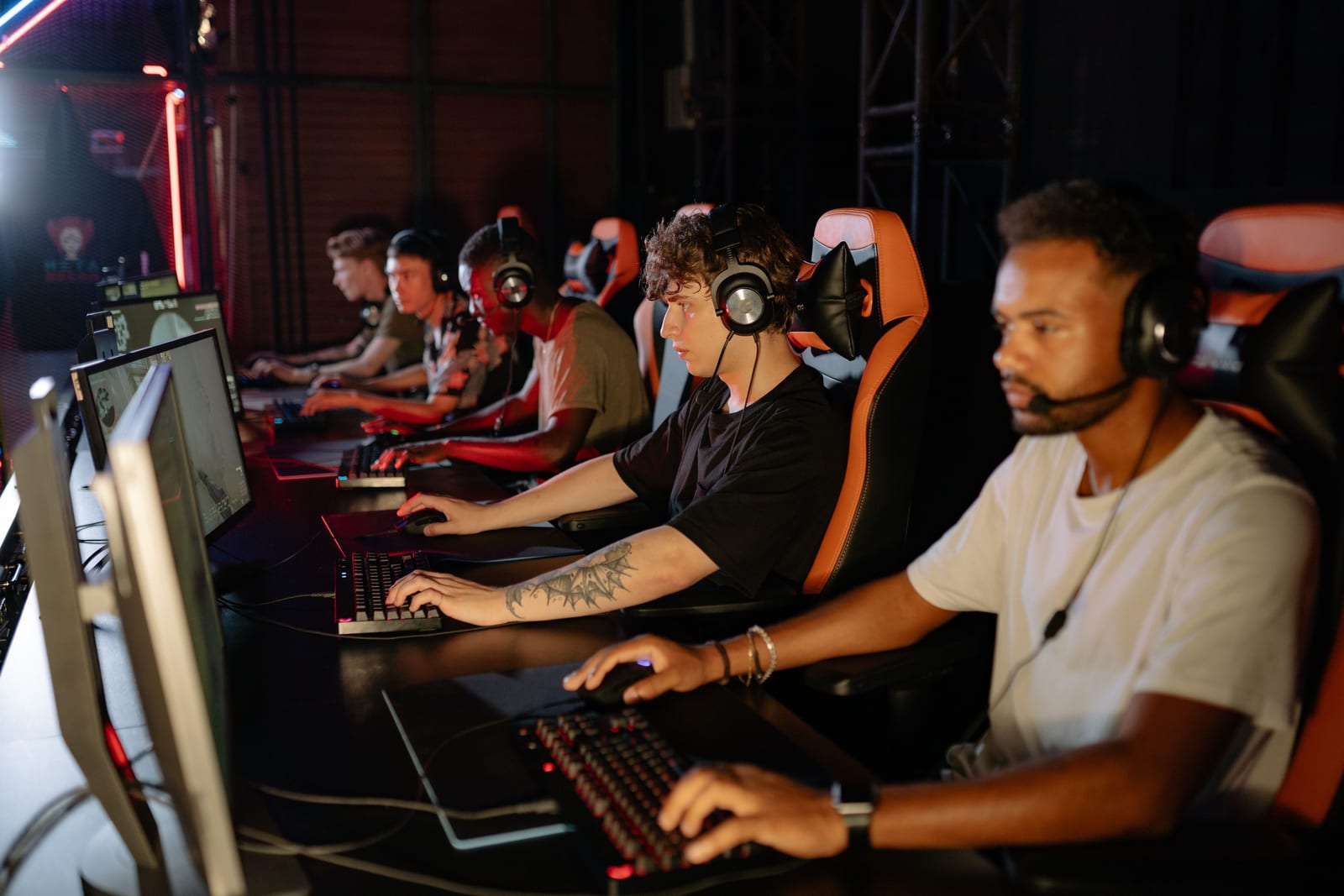
The competition itself was not small either. More than 2,000 players from over 100 countries, representing 200 clubs, contested 25 tournaments across 24 games for a prize pool of 75 million dollars, according to the organisers' own wrap-up. AG.AL took the Club Championship. Ralf Reichert, chief executive of the Esports Foundation, framed the ambition as building esports into a global sport rather than staging a single event, and credited Paris with adopting the thing wholesale.
One detail worth holding on to: this was the first edition staged outside Riyadh. Riyadh returns as host in 2027.
Why 175,000 and 2,000,000 are two completely different businesses
Those two numbers describe two separate revenue models sitting inside the same brand. The 175,000 is the paid product: seats, sessions, finals. The other 1.8 million or so is the perimeter, the free-to-enter, sponsor-funded, brand-activated ring around the ticketed core.
Organisers tend to treat the perimeter as marketing spend that produces a warm feeling and no data. It is not. It is a top-of-funnel machine that, done properly, produces a mailing list, a heat map of interest by neighbourhood, a sponsor inventory you can price next year, and a large group of people who now know what your event is before you ask them for money.
If your post-event report has one attendance number in it, you are grading yourself on the smallest part of the exam.
What this means for event organisers: analytics and reporting past the scan count
Nobody is suggesting your regional trade show needs a seven-week city takeover. The transferable idea is narrower and cheaper than that: count more than one thing, and count it in a way you can compare next year.
A workable version for a conference, expo or summit looks like this:
Ticketed attendance, split by ticket type, so you know which price point actually filled the room.
Scanned attendance, because the two are never the same and the difference is your no-show rate.
Perimeter attendance, meaning anyone who turned up to a free keynote, an open exhibition hall hour, a fringe meetup or a sponsor stand outside the paywall.
Registration-to-purchase conversion, which tells you whether your problem is interest or checkout.
Session-level capacity, so you can stop guessing which track deserved the bigger room.
None of that requires a bespoke data team. It requires a registration platform that records the events rather than just the transactions, and reporting you can pull without raising a support ticket. That is a large part of what our platform is built to do, and it is a fair question to put to whichever system you are using now.
Tired of Fee Announcements? Go Flat
eventcloud charges one subscription with no per-ticket fees, so platform news stops being budget news.
The context the coverage skipped: this was a relocation as well as a growth story
A 94% rise in ticket sales is a striking headline, and it is also a slightly awkward one to benchmark against, because the event moved continents. The 2025 edition was in Riyadh. The 2026 edition was in Paris, a city with an enormous domestic gaming audience, dense public transport, and a short-haul flight from most of Europe.
That does not diminish the achievement. It does change what the number means. Some of that 94% is genuine growth in demand for competitive gaming as a live product. Some of it is what happens when you move a fixture to a catchment with tens of millions of people inside a three-hour train ride. Relocating to a bigger addressable market is a perfectly good growth strategy, but it is a different strategy from deepening demand where you already are, and the 2027 return to Riyadh will be the test of which one this was.
There is a lesson in that for anyone benchmarking their own event. If you changed city, changed month, changed venue or changed pricing, your year-on-year comparison is measuring at least two things at once. Note the variable in the report. Future you will thank present you.
The free perimeter is a paid-conversion engine, if you let it be
The most under-used asset at most B2B events is the person who came to the free bit. They walked into the hall, watched a demo, took a coffee and left without ever being asked for an email address, let alone offered a reason to buy a pass next time.
Two low-effort fixes. First, put a registration step on the free elements, even a single-field one. A name and an email from a free visitor is worth more than an accurate turnstile count from an anonymous one. Second, give that audience a specific next action with a deadline attached rather than a generic invitation to stay in touch. An early-bird window that opens on site, for people who were on site, converts better than the same offer emailed cold in November.
The Esports World Cup spent seven weeks turning a city into a funnel. Most organisers have three days and one hall. The principle survives the change of scale: decide what the free layer is for, instrument it, and stop treating the ticket count as the whole picture.
Riyadh gets the show back next year, with a two-million-visit benchmark now sitting on the table. Everyone else gets a rather useful reminder that the number you report is the number you end up optimising for, so it is worth choosing carefully.