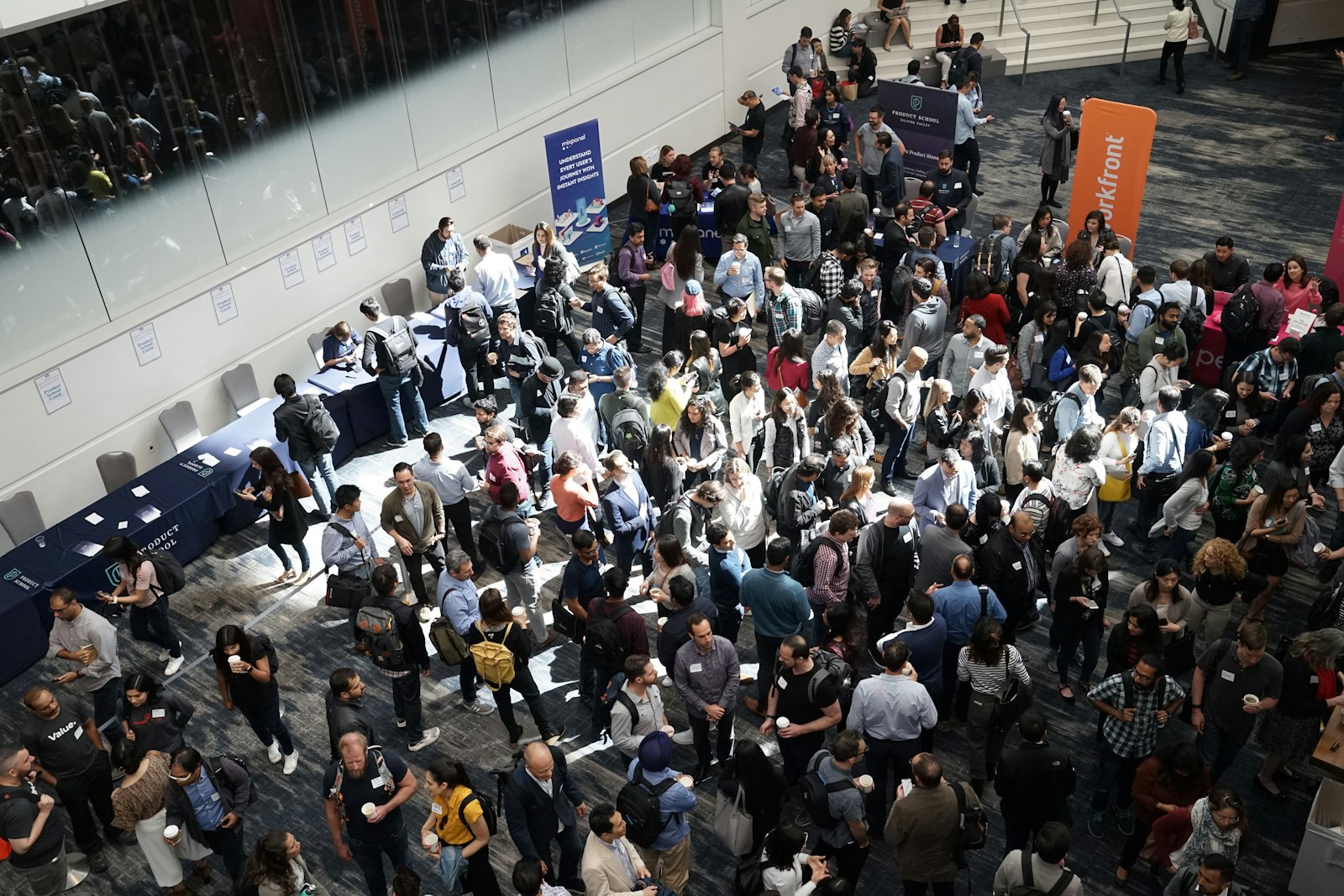
Doors open at nine. By five past, the event check-in queue has curled out of the lobby, past the coffee stand, and is making a spirited bid for the car park. Your speakers are inside, your badges are printed, and yet the very first thing every attendee experiences is a line. Here is the reassuring bit: a door queue is almost never a "too many people" problem. It is a throughput problem, and throughput is something you can design. This guide explains why the event check-in queue forms in the first place, and exactly how to clear it before it sours anyone's morning.
The short version, in the first hundred words: queues form because arrivals bunch into a narrow window and your check-in process can only move one person every few seconds per lane. Fix the maths, not the crowd. Add lanes, swap name-hunting for a QR scan, and decide badge logistics in advance, and a queue that would have taken twenty minutes to clear takes two.
Why the event check-in queue forms
Nobody arrives in a smooth trickle. For a morning conference, the bulk of your attendees turn up in a 60 to 90 minute window before the first session, and a good chunk of those in the final fifteen minutes because trains, traffic and the snooze button are undefeated. That is the peak, and the peak is what you have to survive.
Now stack the process on top of that surge. If a staff member is scrolling a printed list for each name, greeting warmly, finding the right badge in an alphabetised pile, and pointing to the cloakroom, you are looking at thirty to sixty seconds per person. One lane doing that clears maybe one or two people a minute. Multiply a slow single lane by a crowd that all showed up at 8:50 and you have not built a check-in desk, you have built a bottleneck with a banner over it.
A queue at the door is just arithmetic wearing a lanyard: arrivals per minute minus people processed per minute equals the length of your line.
The throughput maths: how many lanes you actually need
Speed per lane is the lever, and it swings hard depending on the method. A QR code check-in scans in roughly two to three seconds because the attendee's phone or printed ticket does the lookup for you, no name-hunting required. That single change drops per-person time from "let me just find you" to "beep, you're in". Industry write-ups on fast-tracking entry make the same point: for a 1,000 person conference clearing in about half an hour, a manual list-based approach can need 50 or more staffed stations to keep up, while QR-based check-in does the job with roughly 12 to 15 stations. Same crowd, a third of the desks.
As a rough planning rule for a busy arrival peak, work out how many people land in your worst fifteen minutes, then provide enough lanes that each one is processing a person every few seconds rather than every minute. The table below is a sane starting point for an event where most people arrive in a 90 minute window.
| Attendees at peak | Scan-only lanes | Lanes if printing badges on the spot |
|---|---|---|
| Up to 200 | 1 to 2 | 2 to 3 |
| 200 to 500 | 2 to 3 | 3 to 5 |
| 500 to 1,000 | 3 to 5 | 4 to 6 |
| 1,000 to 2,000 | 5 to 8 | 8 to 12 |
Why printing needs more lanes: a well set up on-demand badge station prints in well under ten seconds, but that is still slower than a bare scan, so each printing lane clears fewer people. Reckon on one printer-and-scanner lane clearing roughly 150 to 200 people in the first busy half hour. Plan for your peak, not your average, and add one spare lane as insurance against the printer that chooses today to jam.
Check Guests In Before the Queue Forms
QR scanning, instant badge printing and live arrival stats, run from any phone or tablet on the door.
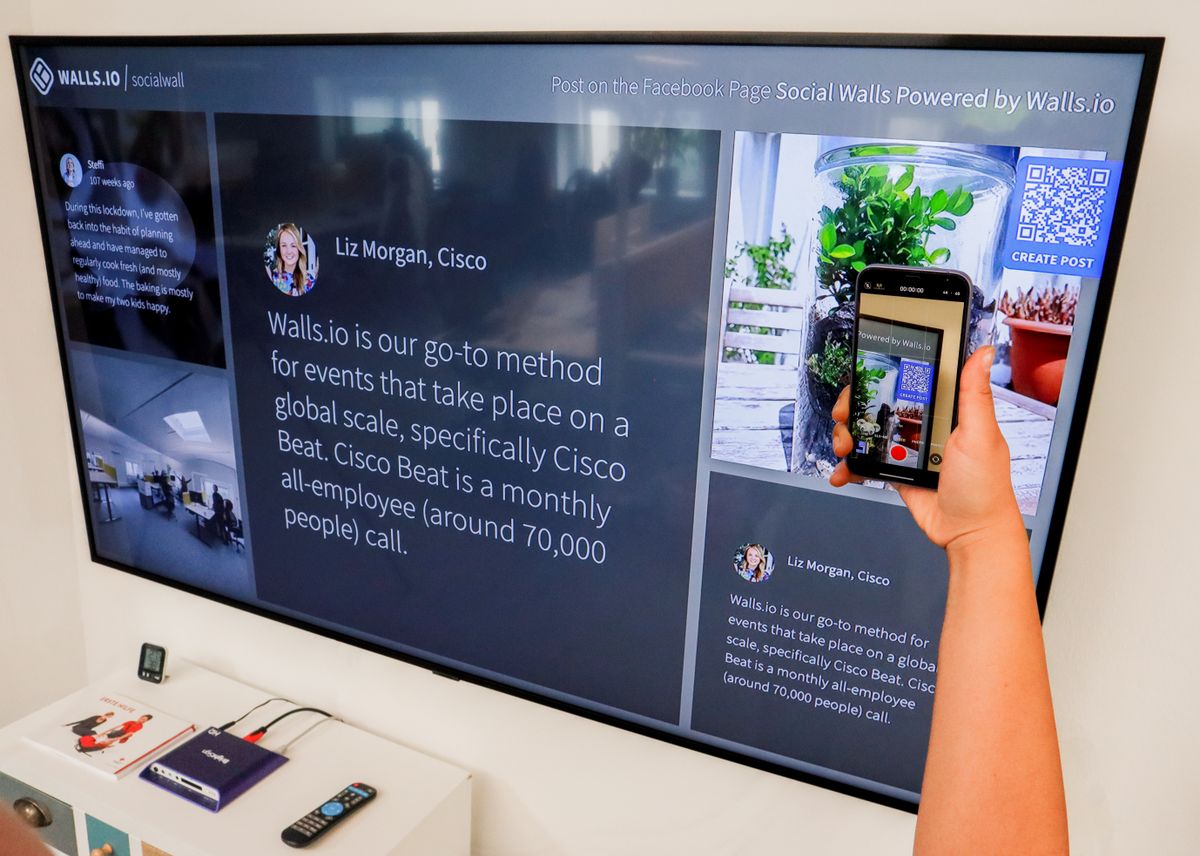
The two-second handshake that replaces forty seconds of name-hunting. Credit: Walls.io / Pexels
How to clear the queue: the moves that actually work
Put check-in on a QR scan, not a printed list. Every attendee gets a unique QR code on their ticket or confirmation email. A phone camera or a cheap handheld scanner reads it, the record marks them arrived, and the whole exchange takes seconds. Because the lookup is instant and the data updates live across every device, no two lanes can accidentally admit the same person, and you get a real-time attended count instead of a guess. You can see how QR check-in on any phone, online or offline is meant to work when it feeds the same record as registration.
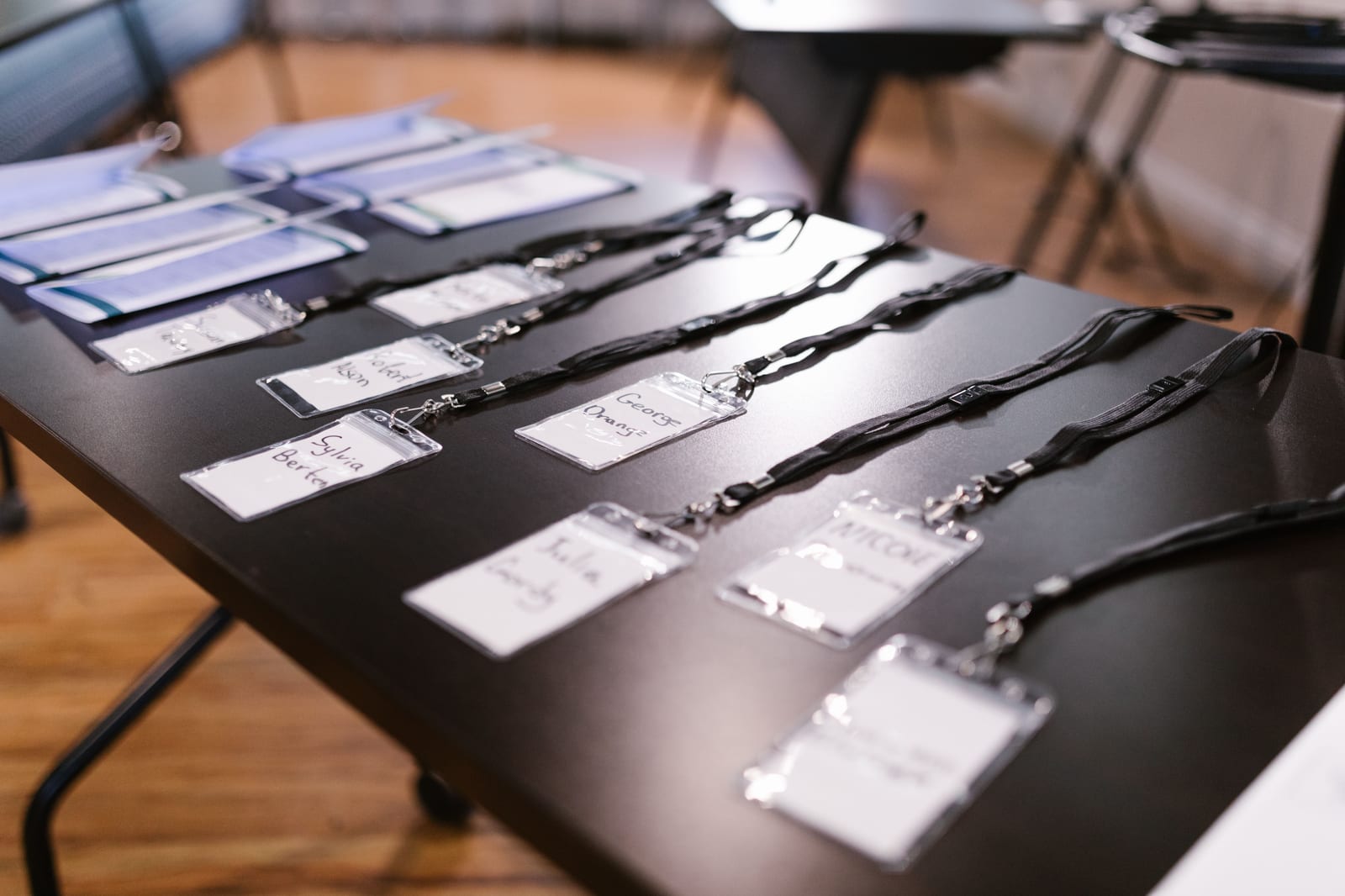
Decide the badge question before the day, not at the door. There are two honest options and one trap. Pre-printing every badge is fast to hand out but turns into an alphabetised treasure hunt at peak, and you always print for the 15 percent who never show. On-demand printing at check-in prints each badge in seconds as the person arrives, so there is nothing to pre-sort and no waste, but it needs a printer per lane. The trap is doing neither properly and improvising with a marker pen at 8:55. If you want the deeper version of this decision, our conference badge printing guide walks through the kit and the trade-offs.
Run more lanes than feels necessary, and label them. Split the queue by something people already know about themselves: surname A to M and N to Z, or pre-registered versus walk-up, or general versus VIP. Signage doing the sorting means attendees self-select into the right line instead of reaching the front and discovering they queued in the wrong place. A greeter whose only job is to point people at the correct lane is worth two extra desks.
Let people check themselves in. Self-service kiosks and a "scan on arrival" option take the slowest human step, the friendly chat, out of the critical path. Keep a staffed help lane for the inevitable "my email did not arrive" cases so one puzzled attendee cannot stall a whole line.
Cache for the network gremlins. The venue wifi will wobble at exactly the wrong moment. Offline mode that stores the attendee list on the device and syncs scans when the signal returns keeps the door moving when the connection does not. Never let your entry depend on a single bar of hotel wifi.
When a queue is fine to have
Not every event needs a check-in operation. A 40 person breakfast briefing with a friendly greeter and a printed list will be perfectly pleasant, and buying scanners and printers for it would be using a sledgehammer to check in a walnut. The lane maths matters when your arrivals bunch and your numbers climb past a couple of hundred, or when a slow door genuinely damages the experience, think paid conferences, trade shows, and anything where a sponsor is watching the front of house. Below that, keep it simple and human.
The principle holds at every size: a door queue is a design choice, not a fact of nature. Get the arrivals maths right, scan instead of scroll, and settle the badge question in advance, and the first thing your attendees feel is momentum instead of a Monday-morning traffic jam. If you would like the door to run on a scan that feeds straight into your event record, take a look at how eventcloud handles check-in, or see the whole picture on the product overview.